Ukraine seeks THAAD, but analysts question its value and prospects
 on Google
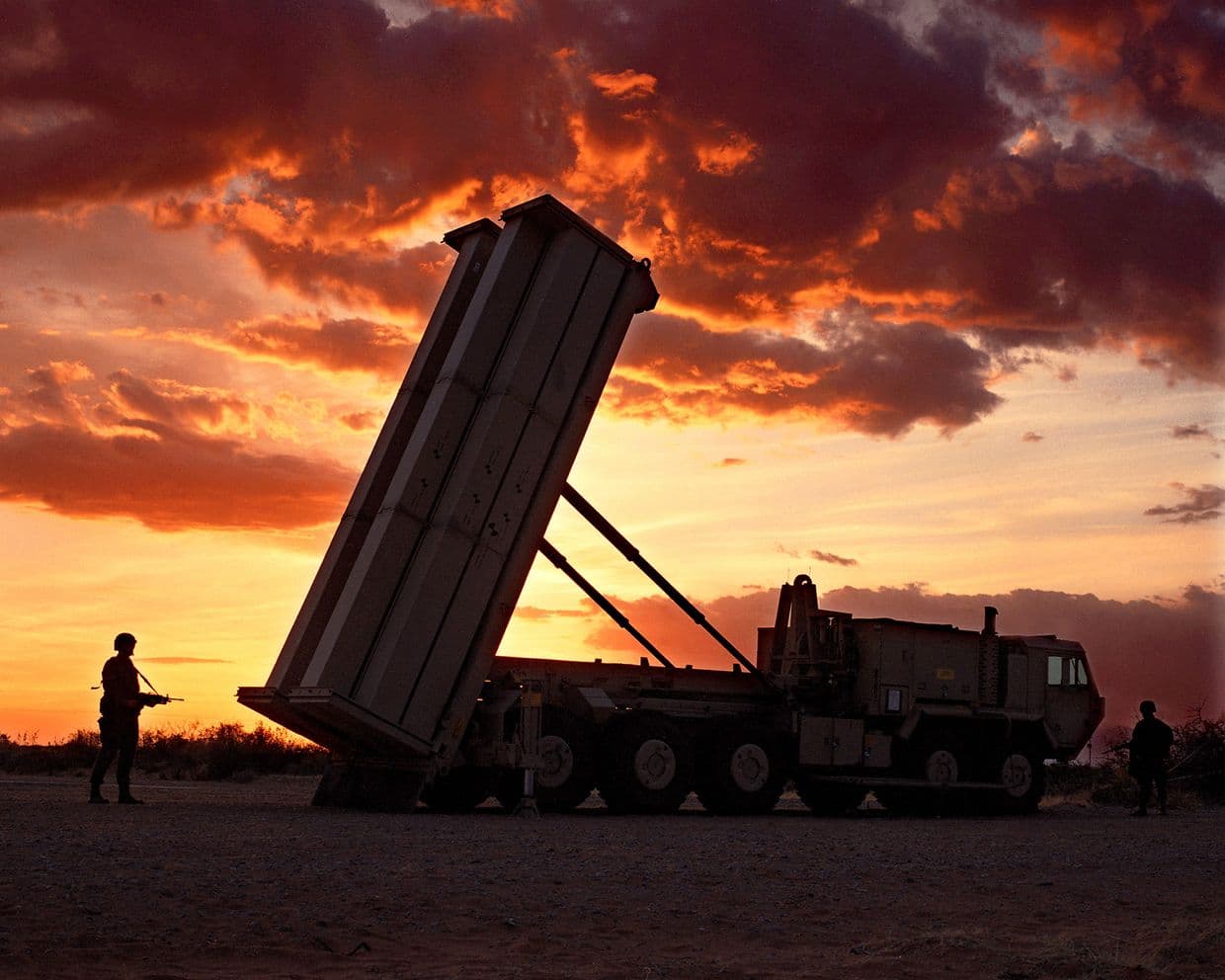
President Volodymyr Zelensky said on April 2 that Kyiv wants U.S.-made THAAD missile defense systems as part of potential security guarantees in any future peace deal, though analysts say the system would have limited utility for Ukraine and is unlikely to be provided.
Terminal High Altitude Area Defense, or THAAD, is designed to intercept ballistic missiles at higher altitudes and longer ranges than Patriot systems already in service in Ukraine, according to developer Lockheed Martin.
THAAD interceptors use kinetic energy, meaning they destroy targets by direct impact rather than with an explosive warhead, reducing the amount of debris and making it a comparatively safer interception method.
Compared with Patriot, THAAD can intercept ballistic missiles from farther away and at higher altitudes, with a range of up to about 200 kilometers (124 miles) and an altitude of up to around 150 kilometers (93 miles), versus roughly 35-60 kilometers (22-37 miles) and 20-35 kilometers (12-22 miles) for Patriot.
Zelensky suggested that THAAD systems could prevent Russian fighter aircraft from striking Ukraine with glide bombs, altogether strengthening Ukraine's air defense, particularly amid ongoing shortages of missiles for Patriot systems.
However, experts remain skeptical of such claims.
"THAAD has no ability to engage fixed wing aircraft, it is solely an anti-ballistic missile system." Colby Badhwar, a military analyst focusing on procurement, arms sales, and security assistance, told The Kyiv Independent.
While Ukraine has developed effective domestic solutions to counter Shahed-type drones and other UAV threats, intercepting ballistic missiles still largely depends on support from international partners.
At the same time, Badhwar assessed the potential use of THAAD by Ukraine as "extremely marginal," suggesting that most of the aerial threats Ukraine faces fall outside the types of targets the system is designed to intercept.
He added that the likelihood of such systems being provided to Ukraine, even through a sale, is extremely low. Given the system’s high cost, Badhwar questioned whether it would be a rational investment, saying, “It would only harm Ukraine’s war effort, as those funds could be better spent on higher-priority needs, such as the Ukrainian Ministry of Defence’s own missile programs” he said.
That assessment is reinforced by broader concerns over U.S. missile defense stocks. In a March 2026 analysis, the Center for Strategic and International Studies said Lockheed Martin currently produces 96 THAAD interceptors a year, while U.S. stockpiles have already been strained by heavy use in the Middle East.
CSIS wrote that the United States fired about 150 THAAD interceptors during the June 2025 Israel-Iran war and argued that recently expended U.S. stocks are likely to be replenished before new deliveries are made to partners.
The analysis argued that the EU, and by extension, Ukraine, urgently need to invest more in developing and producing their own missile defense systems.
"For Ukraine, the implications are dire. Ukraine’s ability to withstand Russian air assaults depends on the continued flow of American interceptors and support capabilities. Yet the flow of these supplies is in doubt, as the replenishment of recently expended U.S. stockpiles will inevitably take precedence over Foreign Military Sales (FMS) deliveries, especially to Europe. As global inventories are drawn down and competing theaters take priority, Ukraine may suffer," the analysis said.
The United States already declined to provide THAAD to Ukraine in 2024 under President Joe Biden's administration, despite the system being deployed in Israel, the United Arab Emirates, and South Korea.
U.S. officials argued that defense commitments vary depending on the context, with former Deputy Pentagon Press Secretary Sabrina Singh stating. "Different capabilities, different wars, different regions."