Ukraine nearly doubles successful strikes more than 50 kilometers behind Russian lines
 on Google
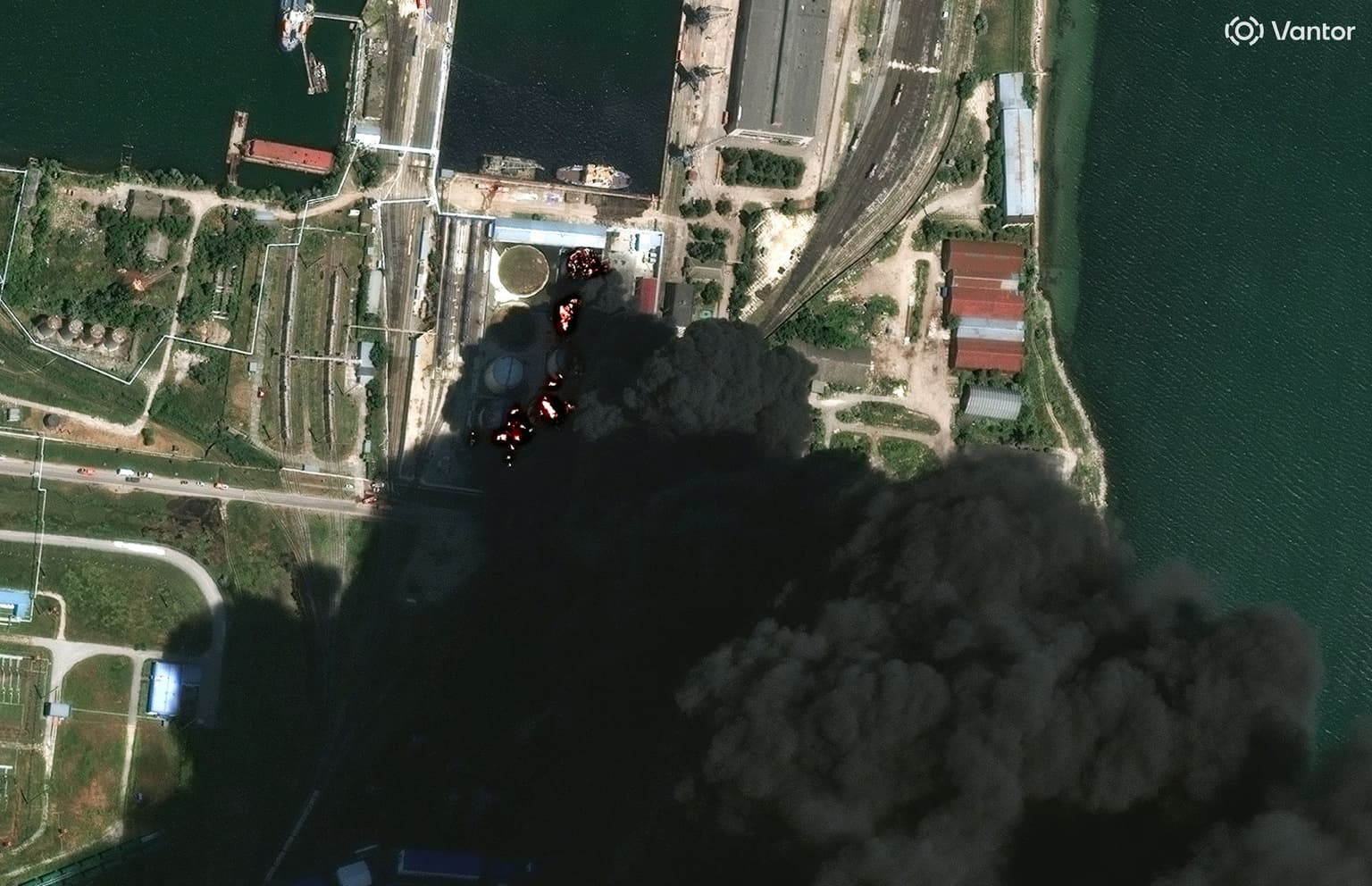
Ukraine's successful mid- and long-range strikes behind enemy lines almost doubled over the month of June, the country's defense minister said on July 5.
"The number of targets hit at a distance of more than 50 kilometers from the contact line has almost doubled," Mykhailo Fedorov said in a Telegram post.
Ukraine has stepped up its so-called mid-range campaign in the last few months, in an effort to disrupt Russian logistics. Kyiv has particularly focused on Crimea, causing a fuel shortage crisis on the peninsula.
"Destroying warehouses, transport and supply routes reduces the enemy's ability to supply its units," Fedorov also said.
Ukraine's military also set several new records in June, Fedorov said, including a record number of strikes on Russian artillery, strikes on Russian vehicles and motorcycles, and interceptions of drones and helicopters. Over 200,000 enemy targets were hit overall in June.
Fedorov also said that Ukraine's military killed or seriously injured almost 28,000 Russian troops in June.