Ukraine captured more territory than it lost to Russia over February 2026, Syrskyi says
 on Google
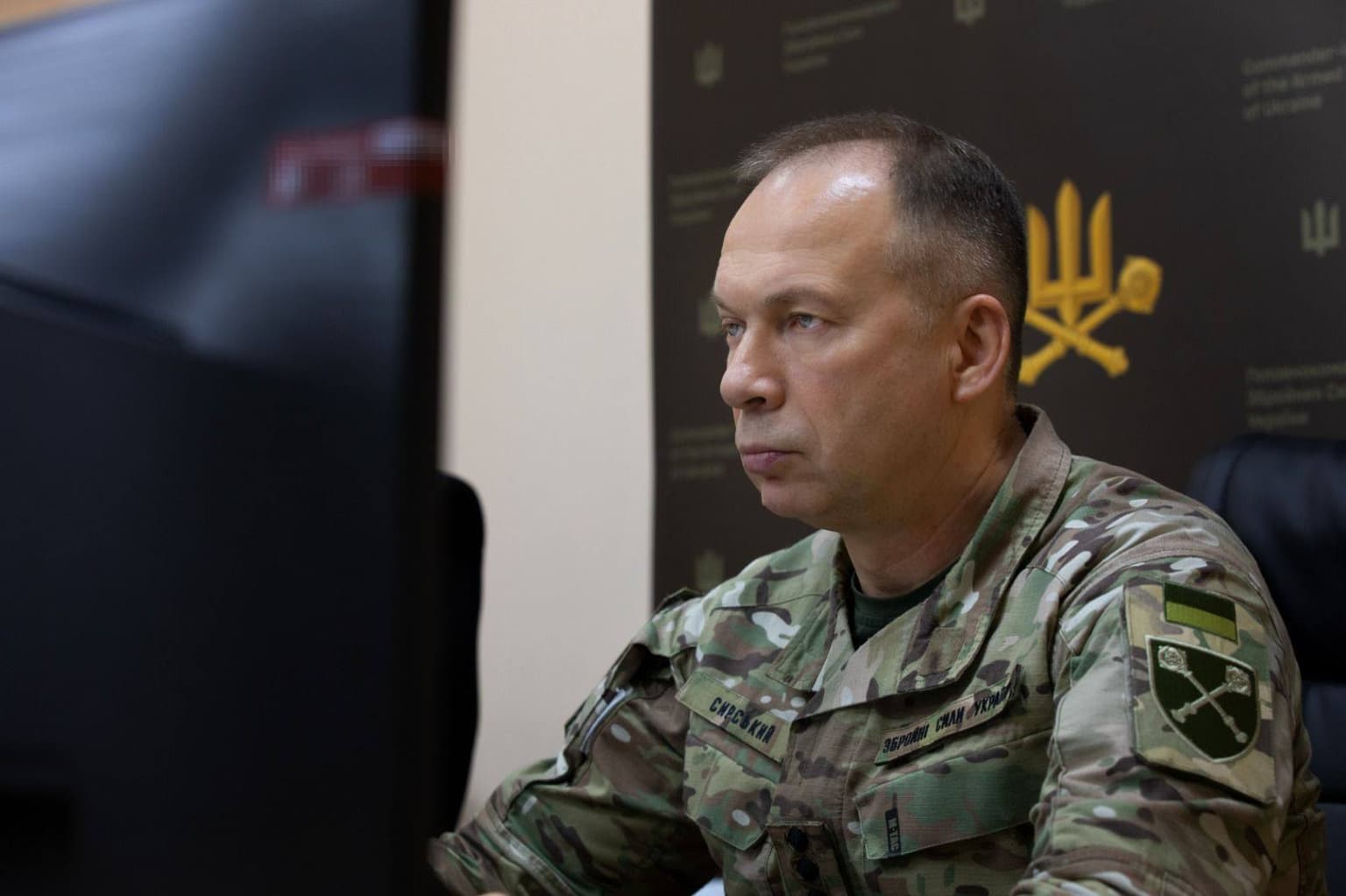
Ukrainian forces captured more territory in February 2026 than Russian forces were able to occupy in the same period, Ukrainian Commander-in-Chief Oleksandr Syrskyi said on March 2.
The claim came amid a slowdown in Russian advances on most parts of the front line over winter — following a pattern seen on the battlefield a year prior — while along the southern front line in Zaporizhzhia and Dnipropetrovsk Oblasts, Ukrainian units have been on the offensive.
"We survived this difficult 'battle of the winter,'" Syrskyi wrote, pointing out that the relative territorial gains had been the highest for Ukraine since the beginning of the Kursk Oblast incursion into Russian territory in summer 2024.
On Feb 21, President Zelensky claimed that Ukrainian forces had liberated 300 square kilometers of territory in a "counteroffensive" operation.
While Kyiv has been attacking on a noticeable scale, accurately measuring control, loss, and gain of territory objectively is becoming more difficult.
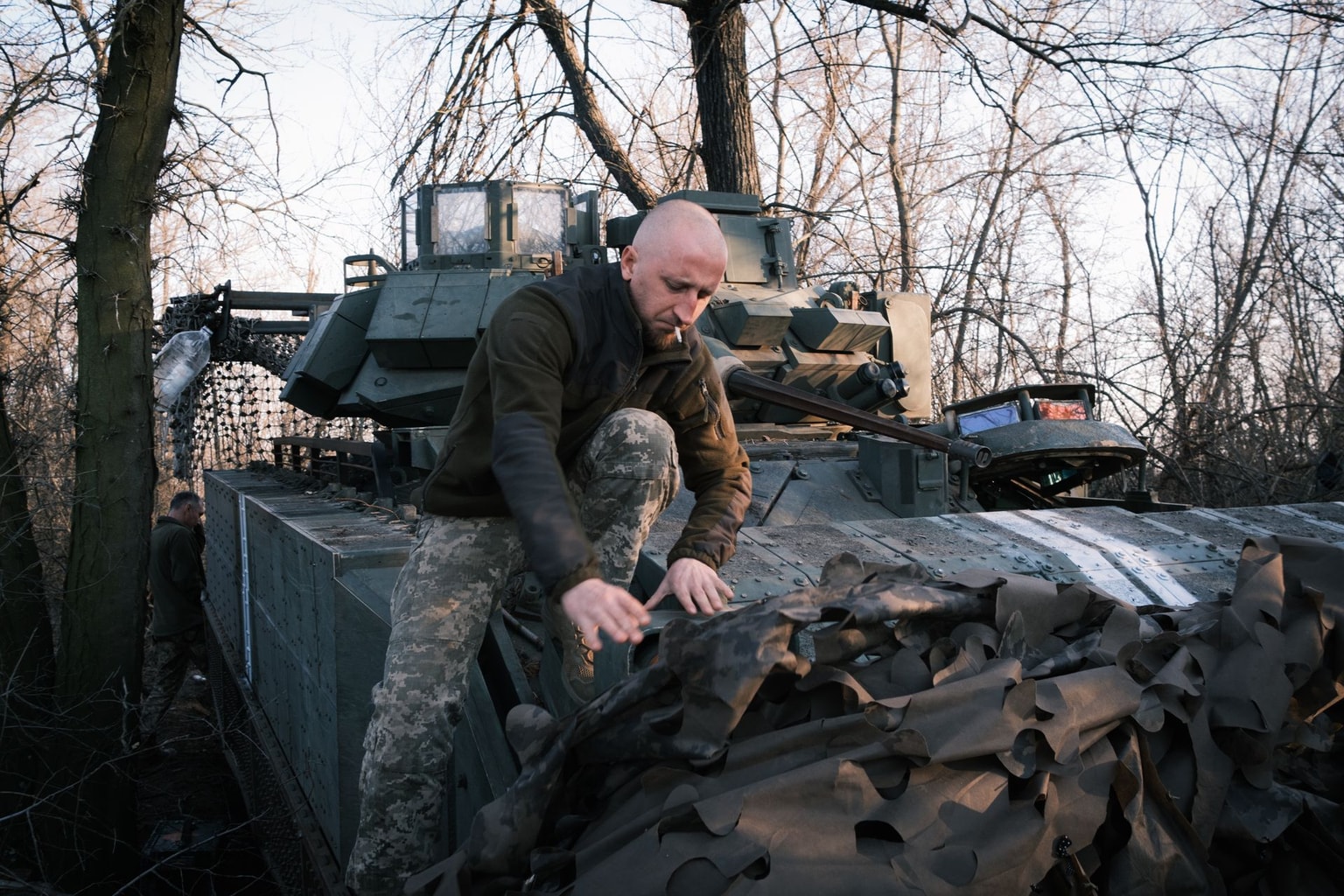
Over February, dozens of videos emerged on social media of Ukrainian forces conducting offensive operations in the part of the front line where Zaporizhzhia and Dnipropetrovsk oblasts meet.
The area, lacking major geographical features, has been the most fluid part of the front line since autumn last year, when Russian forces began advancing at a greater pace against weaker Ukrainian brigades.
Operating in a wide contested "grey zone" with infiltrations on both sides, the Ukrainian advances trackable in open sources remain no more than extended clearing operations, rather than capturing and taking of Russian-held lines of defense.
Meanwhile, while Russian gains in Zaporizhzhia and Dnipropetrovsk oblasts — the site of Moscow's quickest advances over 2025 — have ground to a halt, concerning gains have come around the area of occupied Siversk in Donetsk Oblast, according to open-source mapping project Deep State.
In their monthly summary of front-line developments, Deep State recorded 126 square kilometers of Ukrainian territory lost over February, the lowest since summer 2024.
In a move likely motivated both by overall caution and strict operational security regulations, Deep State has not shown the results of Ukraine's counterattacking operations in Zaporizhzhia and Dnipropetrovsk oblasts on their map as of March 2.
As was the case last winter, the cold conditions have proven to be overall more favorable to the Ukrainian defense across the front line.
Given the harsh conditions for soldiers out in the open for long periods of time, as well as the lack of Russian small-group infiltration assaults have been mostly unable to make it through the "kill zone" of drones before being spotted and destroyed.
Weather conditions do often get in the way of using drones, from fog blocking visibility to the cold hampering battery life and making fiber optic more brittle, but these changes have similarly affected Russia's use of unmanned systems.
As a result, Russian personnel losses, which have sat at above 1,000 on average per day over winter, have exceeded Moscow's ability to recruit new soldiers, said Syrskyi, echoing previous claims by Unmanned System Forces commander Robert "Madyar" Brovdi.