Territorial integrity, military size, alliances — FM Sybiha sets 3 'fundamentals' for potential peace talks
 on Google
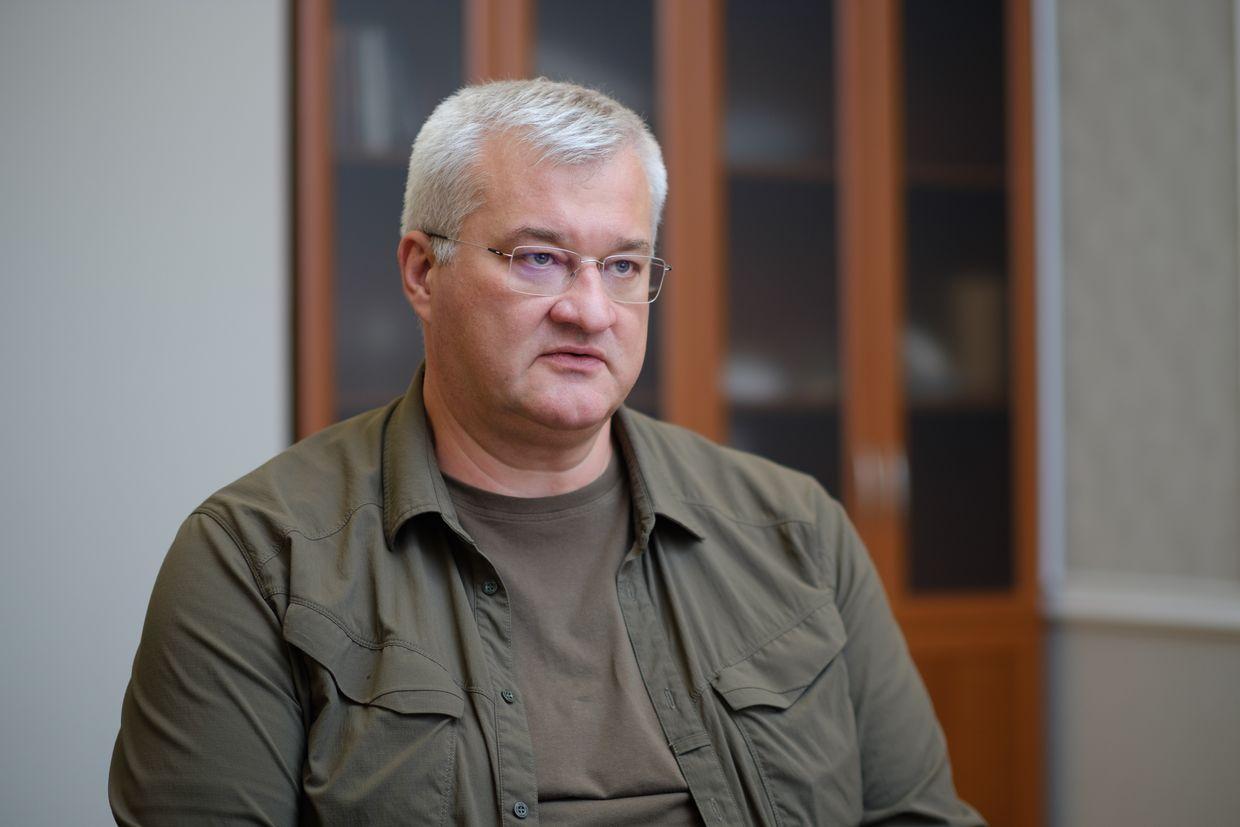
Foreign Minister Andrii Sybiha outlined three key conditions for future negotiations to end Russia's war against Ukraine in an interview with RBC-Ukraine published on March 17.
"I don't like this definition (red lines). There are fundamental things that are non-negotiable, that cannot be touched upon," Sybiha said when asked what Ukraine's red lines are in potential talks.
Sybiha stressed that Ukraine's territorial integrity and sovereignty are non-negotiable, reaffirming that Kyiv will never recognize Russian-occupied territories as part of Russia. President Volodymyr Zelensky voiced this stance back on March 12.
Despite this, the Trump administration has suggested that Kyiv and Moscow must compromise on a peace deal, calling Ukraine's goal of restoring its pre-2014 borders "unrealistic."
Russian forces currently occupy roughly 20% of Ukraine, where reports of systematic repression, torture, and forced deportations continue to emerge.
According to Sybiha, the second key condition is Ukraine's right to choose its alliances. He emphasized that no country should have a veto over Ukraine's NATO and EU aspirations.
Kyiv officially applied to join NATO in September 2022, and in 2024, the alliance declared Ukraine's path to membership "irreversible," though no formal invitation has been extended.
Sybiha also underscored that Ukraine's ability to defend itself must remain unrestricted, meaning there can be no restrictions on the Ukrainian Armed Forces.
"Russia must be held accountable. These are all elements of a lasting peace," he said.
On March 13, President Vladimir Putin said Russia was willing to accept a U.S.-proposed 30-day ceasefire but demanded guarantees that Kyiv would halt mobilization, military training, and foreign aid deliveries — conditions that could leave Ukraine vulnerable to renewed aggression.
U.S. President Donald Trump is set to speak with Putin on March 18 to discuss ending the war in Ukraine. While Trump seeks to secure a deal, European allies and Ukraine warn that a rushed agreement without security guarantees may fail to ensure lasting peace.