'Instead of 6 missiles, there are only 2' — Ukraine's Air Force reveals dire air defense shortage
 on Google
A shortage of air defense missiles has left some Ukrainian air defense systems empty at times amid the threat of further Russian attacks, Yurii Ihnat, head of the Air Force's communications department, said in an interview with RBC Ukraine published on Feb. 2.
With the onset of winter, Russia has intensified its attacks on Ukraine's energy infrastructure in an effort to plunge the country into a nationwide blackout. Meanwhile, Ukraine's air defense forces lack sufficient resources to intercept all Russian missiles and drones.
Ihnat said that Ukrainian authorities, including President Volodymyr Zelensky, have repeatedly stressed the shortage of missiles for air defense systems, noting that some of them are depleted and not ready to repel Russian attacks.
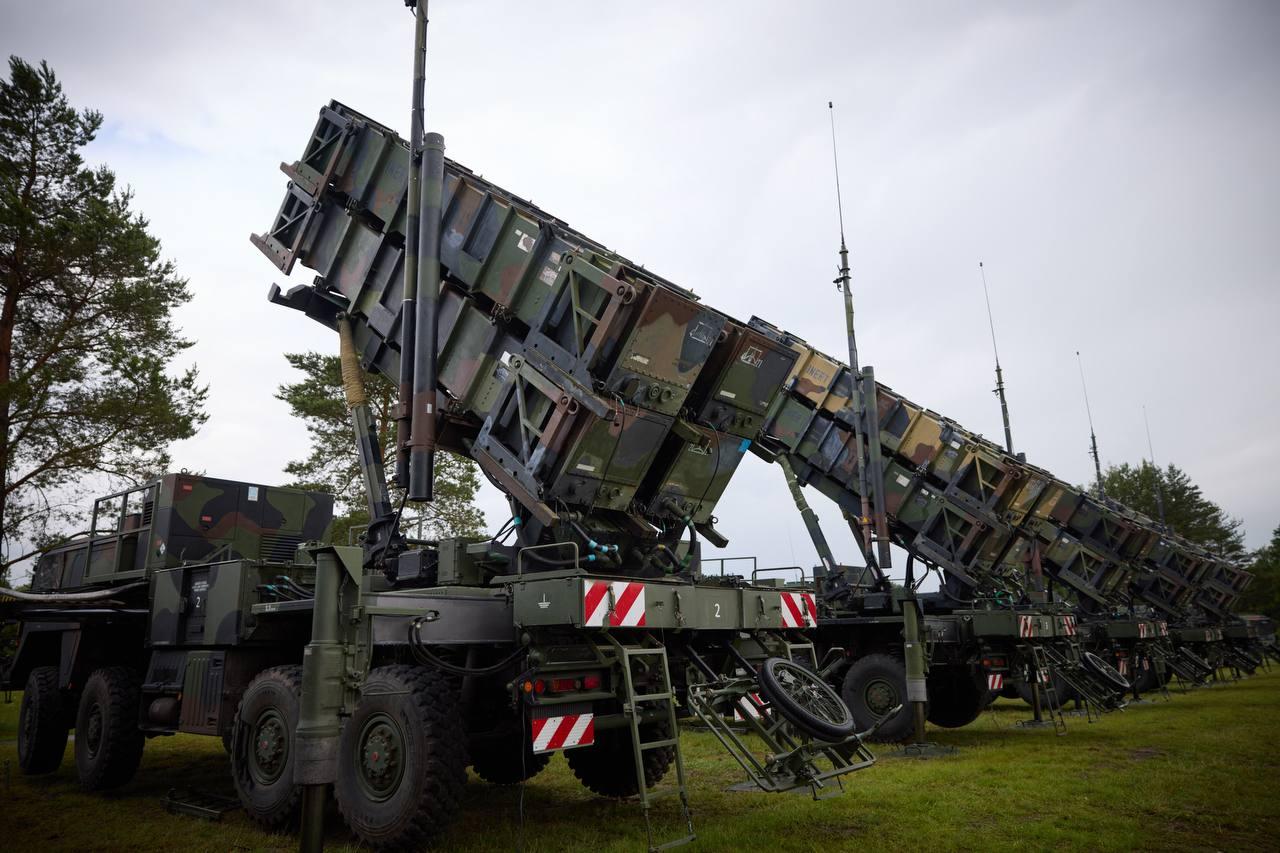
"Indeed, before one such attack, we were provided with the necessary means a day in advance," Ihnat said. "Ukrainian forces repelled that massive strike quite successfully, thanks to missiles for F-16s, NASAMS, IRIS-T, and Patriot."
"There were moments when there was a serious shortage of these missiles. I won't reveal any secrets. For example, there is a NASAMS system, but instead of six missiles in the launcher, there are only two."
The communications department head said that, unlike in previous years, Russia has adopted a tactic of intensively and simultaneously attacking a single region.
"Sometimes our anti-aircraft missile systems, such as NASAMS or IRIS-T, simply do not have time to reload during such massive attacks," Ihnat added.
According to Ihnat, Russian forces have also begun using ballistic missiles more frequently, as only the American Patriot air defense system can intercept them.
At the same time, Russian attacks are so massive that shooting down all aerial targets is a difficult challenge for Ukraine's strained air defenses.
"Even if 80% of the total is shot down, the remaining 20% causes great damage," Ihnat said.
"The enemy's intentions are clear — first and foremost, to influence the Ukrainian population by creating conditions that are impossible to live in, especially in winter," he added.
The recent Russian attacks in mid- and late January caused severe damage to Ukraine's energy infrastructure, leading to emergency power cuts across many regions. At the same time, the strikes have disrupted water supply and heating, with outdoor temperatures dropping below −20 °C (−4 °F).
Kyiv and the surrounding region are among the hardest hit. Some residential buildings in the capital have been without heating for about three weeks.
A major accident in Ukraine's energy system also occurred on Jan. 31 following disruptions to transmission lines between Romania and Moldova, as well as between western and central Ukraine.