Help us keep bringing the truth to light, even when Russia turns the lights out.

Shop and support
Russia

Amid Kremlin internet crackdown, Russia’s most popular messenger app is disappearing

With over a billion active users, Telegram is one of the most popular applications in the world. It remains particularly popular in countries with restricted media.
• 2 min read
Amid Kremlin internet crackdown, Russia’s most popular messenger app is disappearing
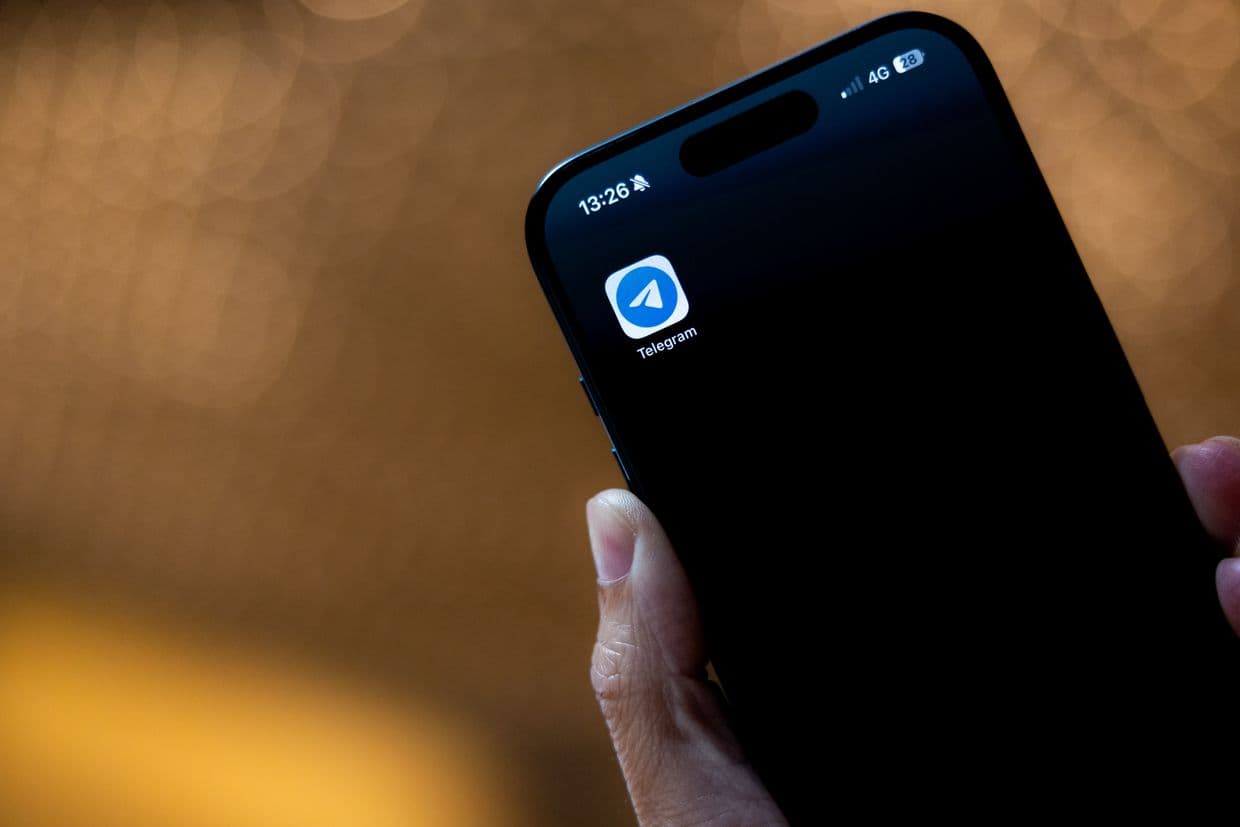
The Telegram messaging app icon, on a smartphone arranged in London, U.K. on Aug. 29, 2024. (Betty Laura Zapata/Bloomberg via Getty Images)

Russians are reporting loss of access to Telegram as the Kremlin pushes citizens onto a state-sponsored alternative to the popular messenger app.

Sboy.RF, a Russian service that tracks internet outages based on user complaints, shows a massive spike in reports of Telegram outages from users across Russia, reaching 7,826 on March 16.

Article image
Reported Telegram outages by date and over the past 24 hours. Source: Sboy.RF

Russian media outlet Kommersant likewise reported on Monday that a much anticipated Telegram cut-off had begun.

With over a billion active users, Telegram is one of the most popular applications in the world. It remains particularly popular in countries with restricted media.

Telegram's advertised "censorship resistance" has made it a vital source of information for millions in both Russia and Ukraine. But a project by Russian billionaire Pavel Durov, Telegram has walked a fine line with the Russian government for much of the past decade. Many Ukrainians have vocally advocate moving  away from Telegram out of fear that it cooperates with Russian police and intelligence agencies.  

In February, Russian communications authority Ruskomnadzor announced that they would begin blocking Telegram inside the country, in what has become an ongoing escalation.

"Russia has opened a criminal case against me for 'aiding terrorism.'" Durov wrote on Telegram on Feb. 24. "Each day, the authorities fabricate new pretexts to restrict Russians’ access to Telegram as they seek to suppress the right to privacy and free speech. A sad spectacle of a state afraid of its own people."

Meanwhile, Max, the Kremlin-sponsored alternative to Telegram also appeared to be experiencing issues in Russia, with outage reports exceeding 1,000 on March 16.

Avatar
Kollen Post

Defense Industry Reporter

Kollen Post is the defense industry reporter at the Kyiv Independent. Based in Kyiv, he covers weapons production and defense tech. Originally from western Michigan, he speaks Russian and Ukrainian. His work has appeared in Radio Free Europe, Fortune, Breaking Defense, the Cipher Brief, the Foreign Policy Research Institute, FT’s Sifted, and Science Magazine. He holds a BA from Vanderbilt University.

Read more
News Feed
Video

In May 2026, Ukraine’s 3rd Army Corps launched a secret counteroffensive now known as Operation Vivaldi, aiming to strengthen Ukraine’s defensive positions in the Lyman and Sviatohirsk sectors and disrupt Russia’s plans to encircle Ukraine’s key strongholds – the cities of Sloviansk and Kramatorsk.

"Russia is building the military-industrial capacity to continue waging wars even after the war in Ukraine ends. These are not the actions of a country preparing for lasting peace," Oleksandr Danylyuk, chairman of the Center for Defense Reforms and former chief adviser to Ukraine’s defense minister, told the Kyiv Independent.

 (Updated:  )

For almost two years, student-led demonstrations in Serbia rallied against Vucic's right-wing incumbent Serbian Progressive Party. Protesting against alleged corruption in the government, the movement was triggered when a train station canopy in the city of Novi Sad collapsed in 2024, killing 16 people.

Show More