Russia resumes rocket launches from Baikonur Cosmodrome after liftoff site damaged in accident
 on Google
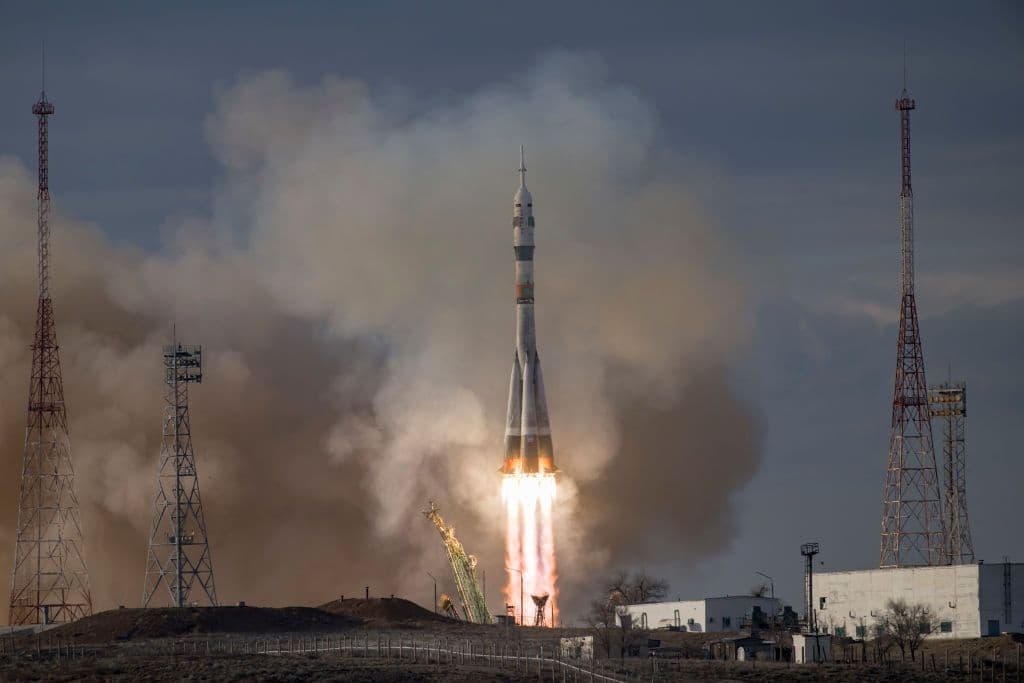
Russia launched a rocket from Site 31 at the Baikonur Cosmodrome for the first time since the launch pad was damaged in an accident in November 2025, the Russian space agency Roscosmos reported on March 22.
Site 31 at the Baikonur Cosmodrome in Kazakhstan was damaged during the Soyuz MS-28 liftoff to the International Space Station (ISS) on Nov. 27. The site is Russia's only operational launch pad for crewed missions to the ISS.
Roscosmos on March 31 shared video of the launch of the Progress MS-33, an unmanned cargo ship bound for the ISS.
"The flight is normal," an agency commentator says in the recording.
While the Soyuz crew docked safely with the ISS after the launch in November, inspections revealed that a movable servicing cabin beneath the pad had collapsed immediately after launch.
The damaged cabin was crucial for preparing crewed Soyuz and Progress missions. Its loss left Russia temporarily unable to conduct crewed launches, marking the first such disruption since 1961.
Repairs to the damaged cabin were completed in early March, Roscosmos said.
The Baikonur Cosmodrome is in Kazakstan, with Russia using the site for space launches under a lease through the year 2050.
International sanctions following Russia's full-scale invasion of Ukraine have taken their toll on Moscow's space program, with the country facing setbacks including the failure of its first lunar mission in 50 years in 2023 and the dismissal of Roscosmos CEO Yury Borisov in February 2025.
Space exploration has nonetheless remained one of the few areas of continued cooperation between Russia and the U.S. Bilateral ties warmed further after U.S. President Donald Trump's inauguration in January 2025. Several Russian officials urged closer cooperation in technology and space exploration with the U.S., namely with Elon Musk's SpaceX company.