Reporter's notebook: Visiting a POW camp is the best possible antidote to sympathy for Russian soldiers
Russian soldiers, enticed by lucrative payouts, continue to sign up voluntarily in droves to attack and kill in Ukraine.
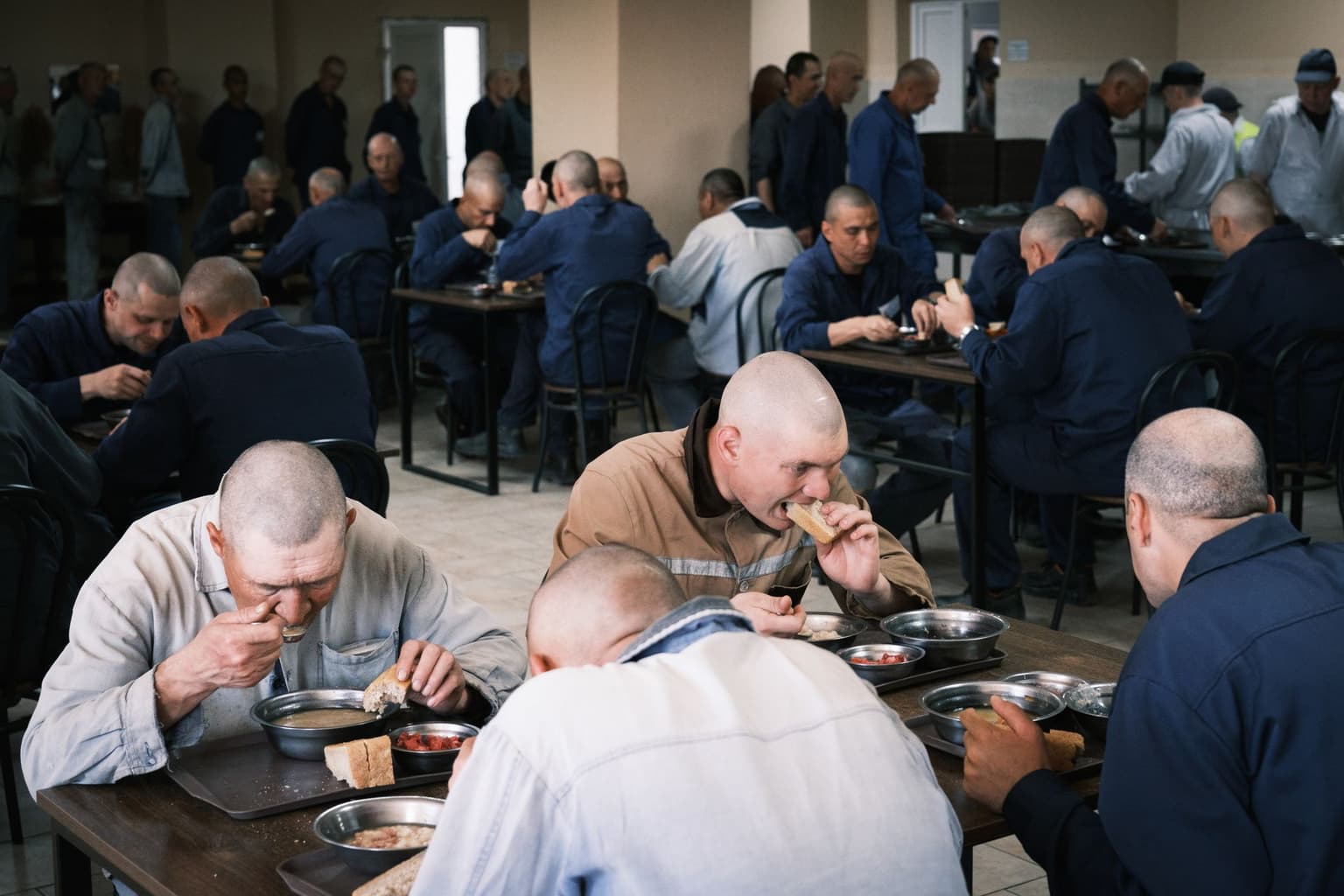
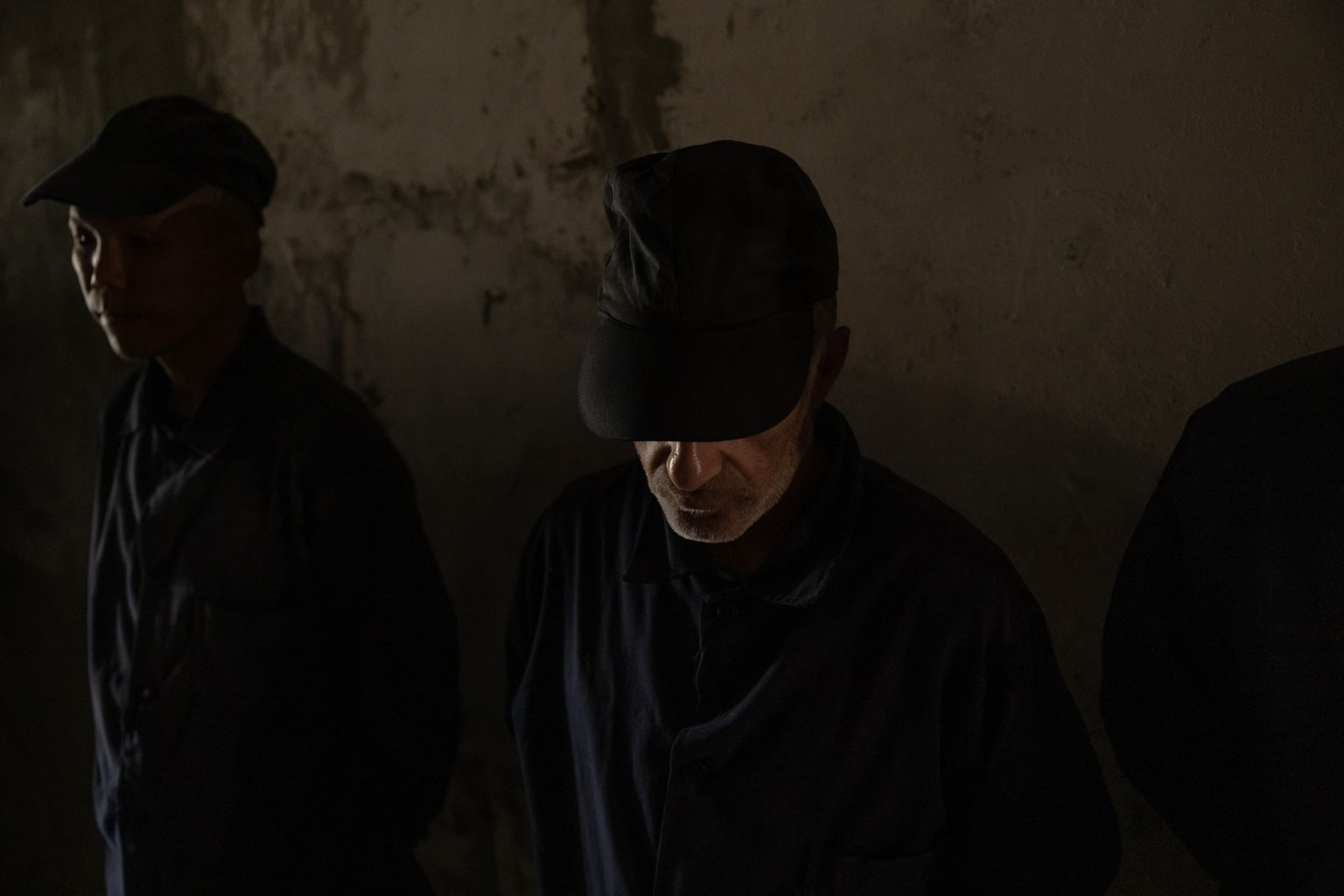
Captive soldiers of the Russian military eating lunch at a Ukrainian prisoner of war camp in western Ukraine on June 25, 2026. (Francis Farrell / The Kyiv Independent)
 on Google
Once our eyes adjusted to the aggressive glare of the freshly painted white walls around the yard, we began to make out figures, dozens of them dressed in navy blue, clinging to the inner walls of this surreal space.
It was a scorching June day in western Ukraine, and we had just been released, like kids in a petting zoo, into a courtyard full of prisoners of war from the Russian military.
Who we decided to walk up to and talk to, and what we wanted to talk about, was up to us.
Whether these men, captives of the country they had attacked with rifle in hand, wanted to speak to us was up to them.
And so we began our work.

Looking one's enemy in the eye and trying one's best to see their human face is a strange place to put oneself in.
Standing opposite a man who, in some ways, is the living embodiment of all the suffering and death brought to your home and the people living in it, and trying to have a normal, civilised conversation is especially strange.
That was my goal when I signed up this summer to visit one of the Ukrainian prisoner-of-war camps where Russian soldiers were being held captive.
This wasn't exclusive access. Trips like this for the press are organized by Ukrainian authorities at the same facility every month.
But I wasn't there just for the shock and awe of seeing Russian POWs and asking them gotcha questions.
In the fifth year of full-scale war, Vladimir Putin is still doing his best to continue his quest to destroy independent Ukraine without needing to announce large-scale forced mobilization at home.
But Russia's offensives continue, with hundreds — often upwards of a thousand — Russian single-use soldiers killed or badly wounded on the battlefield every day.
Moscow can sustain this because, somewhere, all across the depths of that huge country, tens of thousands of men every month continue to sign up voluntarily to fight in Ukraine.
For there to be any chance of Putin considering winding his war down, this flow of warm bodies needs to dry up. But for now, they just keep coming.
I wanted to understand why. I wanted to understand who these people are, and why they decide to leave their civilian lives and join a war of aggression.

Fast forward four months, and not only is this basic fact about Russia's wartime military still not understood, but the question of whether or not one should have sympathy for these invaders has once again become a popular topic of discussion.
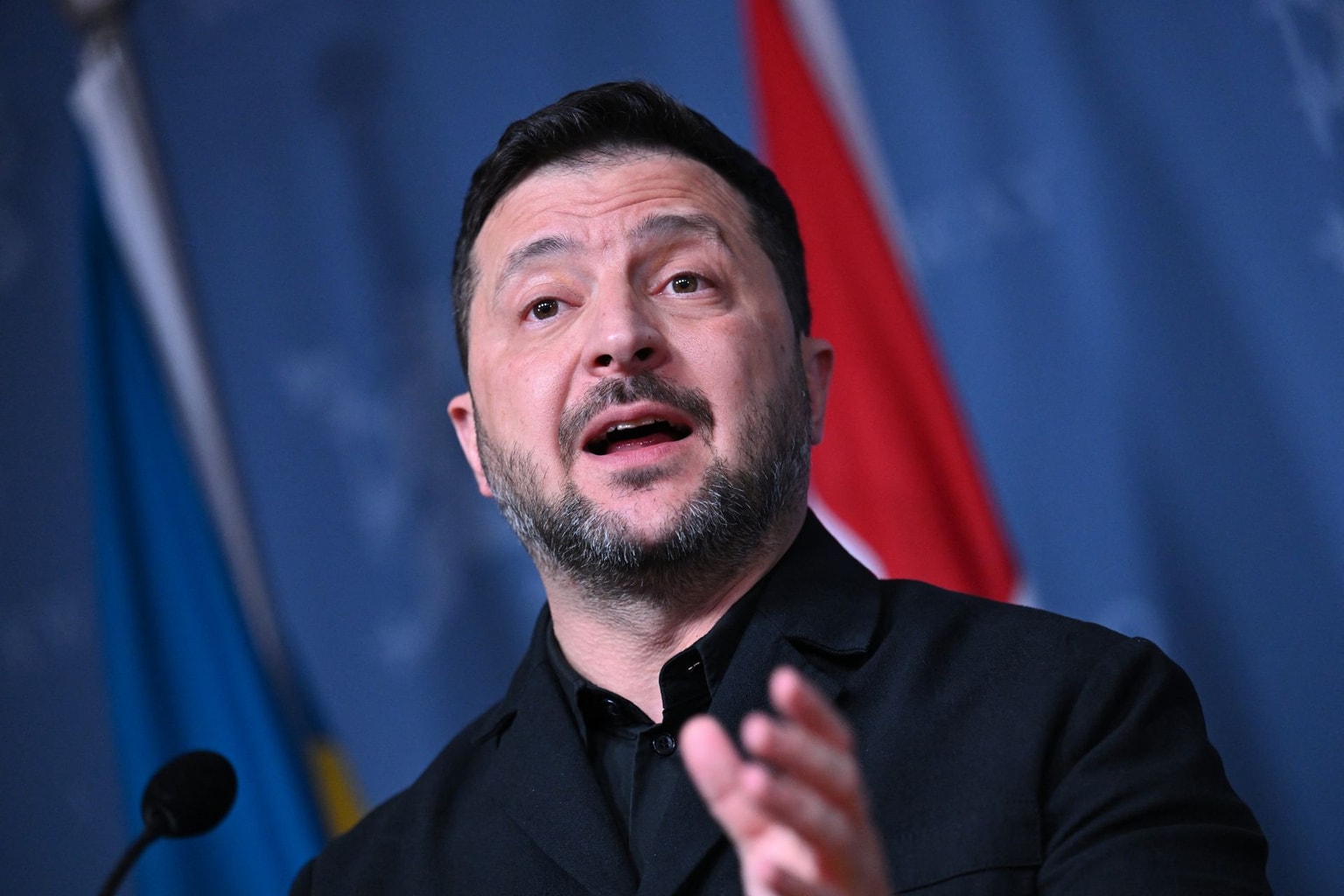
Deep into autumn, the weather has turned, the first blackouts have begun, and a nation of tens of millions is bracing itself for a winter humanitarian crisis unlike anything seen before, all thanks to Russia's escalating strike campaign against critical infrastructure.
But as if this time wasn't going to be difficult enough as it is, openly showing contempt for Ukraine and directly assisting Russia's war effort through waived sanctions, diesel deals and the throttling of Starlink is now in vogue among two of the most powerful men in the world, Donald Trump and Elon Musk.
Reading it from Kyiv, Musk's post on X about feeling sympathy for the poor young Russian soldiers forced to fight crosses into the domain of the absurd.
And yet here we are.
More than anything, this moment in time back to that summer day at the POW camp and what I heard from the Russian soldiers themselves about why they ended up in Ukraine, fighting for the aggressor's army.

This was my second time speaking to Russian prisoners of war.
The first time, ironically, was probably the only scenario in which Musk's comment really applied: when Ukrainian forces captured hundreds of young Russians doing mandatory military service as they broke across the border in Kursk Oblast in the summer of 2024.
This time, all four Russians were, unsurprisingly, contract soldiers. And, by coincidence, they all happened to hail from the depths of Siberia, from the regions around Lake Baikal.
This is what they had to say.

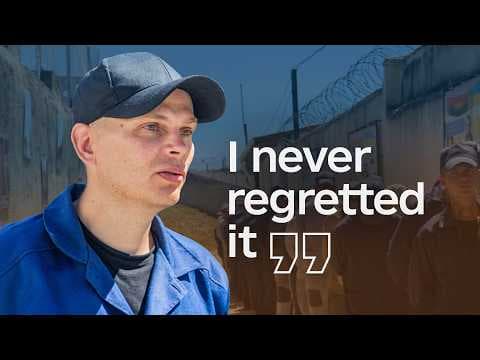
Pavel Malikov was the first man I approached in the yard. He seemed aloof at first, but after I asked him if we could speak, he replied, “Well, we're already speaking, aren't we?” At which point, we pressed the record button.
A factory worker from the remote Altai Krai, Malikov had joined Russia's Spetsnaz, Moscow's once-feared special forces.
But by the time he first saw the battlefield in Ukraine, his mission barely differed from that of the average assault infantryman: move forward to his designated point, dig in and wait for orders.
He was captured on his second mission.
Looking me in the eye, Malikov spoke confidently, with a bit of pride that I couldn't really comprehend, the basis of which I couldn't quite understand.

"I signed the contract because… well, you know… there was seemingly nothing bad in my life, but not much good either, I was kind of stuck. My decision wasn't so much about changing my life as it was about changing myself.
"I went and signed the contract. Many people regret it after they sign it, they think, 'why the hell did I do this,' and so on. I don't have any such thoughts. I signed the contract, that means it was meant to be.
"I had an idea of what was going on here, but I only gained a full understanding after I came here. Yes, war is bad, but nonetheless, I am a patriot of my country, my Russia, and I still stand by my country, no matter what."

Next was 41-year-old Oleg Krasikov from Buryatia, captured that summer after suffering light wounds to his leg, who told a commonplace story of being deceived and forced into the assault infantry.
Now a prisoner, his position on the war had suddenly been imbued with a performative moral clarity.
"It's not clear yet when it will all end. I hope that Moscow will come up with something, because as I understand it, comrade Zelensky is ready to negotiate."

But beyond the facade of remorse lay Krasikov's real story, and his motivations for joining up in the first place couldn't have been more banal.
"I had an ordinary life, home work, traveling for work.
"At one point, work stopped, and I stayed at home for half a year, doing odd jobs. I saw the advertisement, and honestly, I had financial problems, I needed to do renovations (to my home). Maybe that's what pushed me, the urgent need for money. So I signed the contract.
"They offered something different, not the front line, not shooting, nothing like that. I had a picture of what it might be, but it wasn't like that.
"I went to a recruitment center, they explained everything there, and gave me a contract to sign.
"I signed the contract, got the money, and did the renovation."

At a conference in Europe last year, I had a rare conversation with an exiled journalist from Russia's Arctic region.
In his grim appraisal of Russia's manpower situation, he predicted that Putin would not have to announce forced mobilization.
After years of war, the pervasive militarization and wholesale brainwashing in Russia's school system, he argued, would ensure a consistent flow of young voluntary recruits joining up after school for years to come.
After a bland but nutritious lunch shared with the POWs, we had time for two more interviews. I specifically requested to speak with younger soldiers who had been captured this year.
The first was 21-year-old Dmitry Nefedov, who had spent the entirety of Ukraine's most recent brutal winter in a basement in the gray zone, surrounded by Ukrainian soldiers and abandoned by his commanders, until he was finally captured.


Nefedov spoke with a blankness in his eyes and a passive naivety that I still think about to this day.
Nothing in his words or mannerisms suggested that any part of this ordeal had been a lesson to him.
"I didn't have enough money, and I wanted to hang out, have fun. First my friends signed up, for a while I thought about it, and I signed a contract."
I asked if he didn't think that this war and the deaths of so many countrymen was pointless.
"I don't even know what to say… I know that only presidents can solve this.
"If I'm released and all of this is over, I don't know what I will do. If I don't find a normal job, I'll sign another contract. Otherwise, I might try to become a welder or a builder."

The last Russian soldier was even younger. Eighteen-year-old Maksim Alechko, had barely started school when Russia first invaded Ukraine.
He seemed more mentally proactive and switched on than any of the other POWs I spoke to.
But even then, Alechko's worldview seemed defined by a complete disconnect from the reality of the war, let alone any moral framework for understanding what his country was doing when he volunteered to join.


In his hometown, the industrial city of Chita, the Russian military and service in it carried only positive associations, he said.
"I liked the army, I joined the army, and stayed there. That's it, an order is an order.
"I only ever saw myself in this field. It's prestigious, it's beautiful, something to be proud of, to be a soldier.
"I wasn't interested in the war in Ukraine, I was interested in being a soldier. For my country.

"I didn't think anything bad about Ukraine, but when the war started, this whole information war began. Future generations are being turned against each other.
"What they are saying in Russia now, the reasons to join the military… The last time I watched, they were saying 'We are winning, come join the ranks of the victorious!' or something like that.
"People think the war will end soon, so they can sign up, earn some money, and that will be it."
Note from the author:
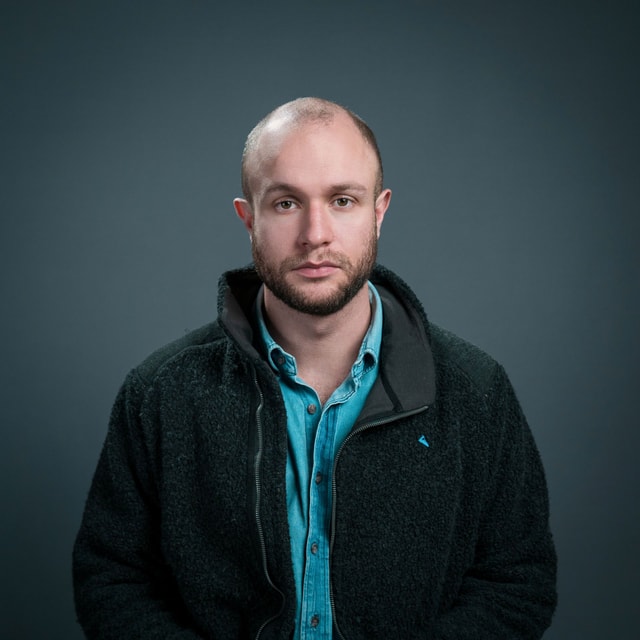
Hi, this is Francis Farrell, the author of this piece. We are entering a new phase of the war, where once again the daily, brutal fight on the front line to hold Russia back is drowned out by geopolitical noise. Despite the difficult winter ahead of us and the effect that will have on the work of our newsroom, we will continue to report from the field wherever necessary. If you want to help us do that, please consider supporting our journalism by becoming a member.
You can watch the video version of this story here: