Analysis: No Elon Musk, Russian soldiers in Ukraine are not 'kids' who have 'no choice but to fight and die'
 on Google


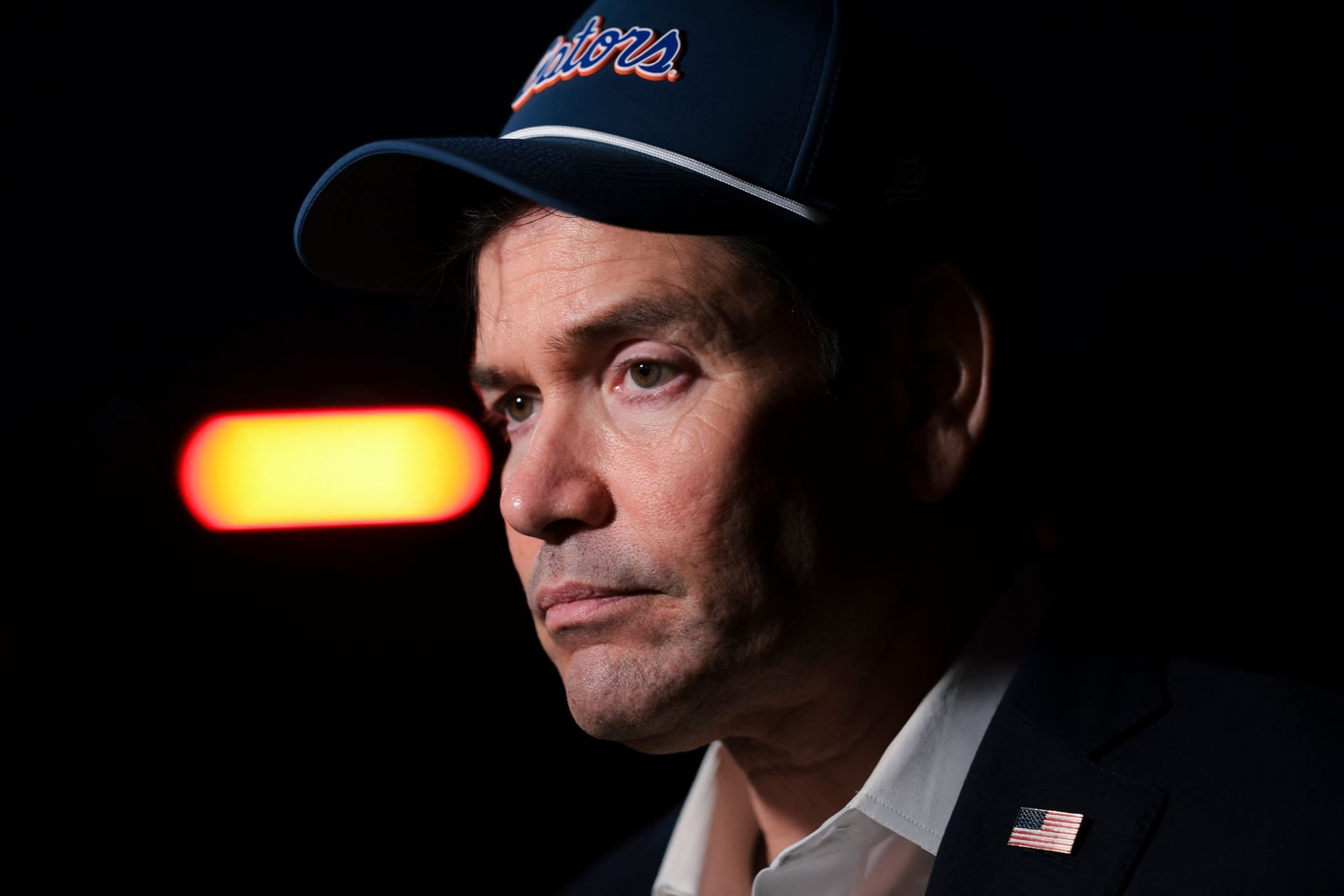
"We should (have) some sympathy for the poor Russian conscripts too. Those kids have no choice but to fight and die in drone strikes."
For anyone watching and understanding Ukraine's years-long struggle for survival, the words of SpaceX founder and world's richest man Elon Musk ring with deep moral bankruptcy.
But more importantly, Musk's post on Oct. 25 — made in the middle of a hurricane scandal around Musk's throttling of Starlink internet terminals used by the Ukrainian military — badly misrepresents the reality of how Russia staffs its wartime military.
The misconception that Russian soldiers are forced to fight against their will in Ukraine is one that has consistently reached the most powerful man in the United States.
Earlier this year, U.S. President Donald Trump repeatedly lamented the deaths of soldiers on both sides, seemingly equating their suffering and the circumstances under which they found themselves in the trenches.
"Every day people are dying. Young handsome soldiers are being killed. Young men, like my sons. On both sides. All over the battlefield," he said in February.
"Young, young, beautiful people. They’re like your kids, two million of them — and for no reason."

But this sentiment ignores one important fact — Russian soldiers are not young men forced to fight in Ukraine against their will.
Most Russian soldiers fighting in Ukraine chose to do so voluntarily, and did so not for values, but for cold, hard cash.
“Many think that the Russians are forced to fight. In fact, the Kremlin is afraid of mobilizing its people,” Kateryna Stepanenko, Russia research fellow at the Institute for the Study of War, told the Kyiv Independent.
Instead, Russian President Vladimir Putin relies on paying vast sums of money in order to entice people to sign up voluntarily, which they continue to do in droves — up to 40,000 a month according to NATO estimates from August.
"The moral equivalence of these two armies is impossible," Pavel Luzin, an independent Russian military analyst, told the Kyiv Independent.
"Russia’s side is completely immoral, and the vast majority of its soldiers went to war voluntarily — driven by financial and psychological interests, not by coercion.
“One side is an occupying force trying to subjugate another country and its people. The other is fighting for its freedom. These are fundamentally different causes."

How does the average Russian soldier die on the front?
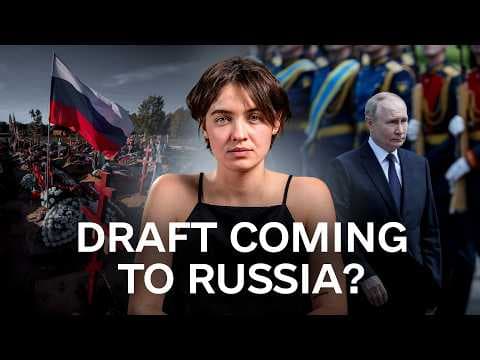
Russia effectively operates with two armies — a conscript army and a contract army.
The conscript army is the standing force used to defend Russia itself. The Kremlin conducts conscription twice a year, in spring and fall, requiring eligible men to serve for one year. By law, conscripts cannot be sent abroad to fight.
Instead, the Kremlin has relied on its contract army, which consists of paid volunteers and soldiers who sign short-term contracts with the Defense Ministry.
The way Moscow wages its war dictates that the Russian army fighting in Ukraine requires a constant inflow of warm bodies.
Since the Battle of Bakhmut in 2022-23, Russia's offensive tactics have relied mainly on a near-endless stream of dismounted infantry assaults.
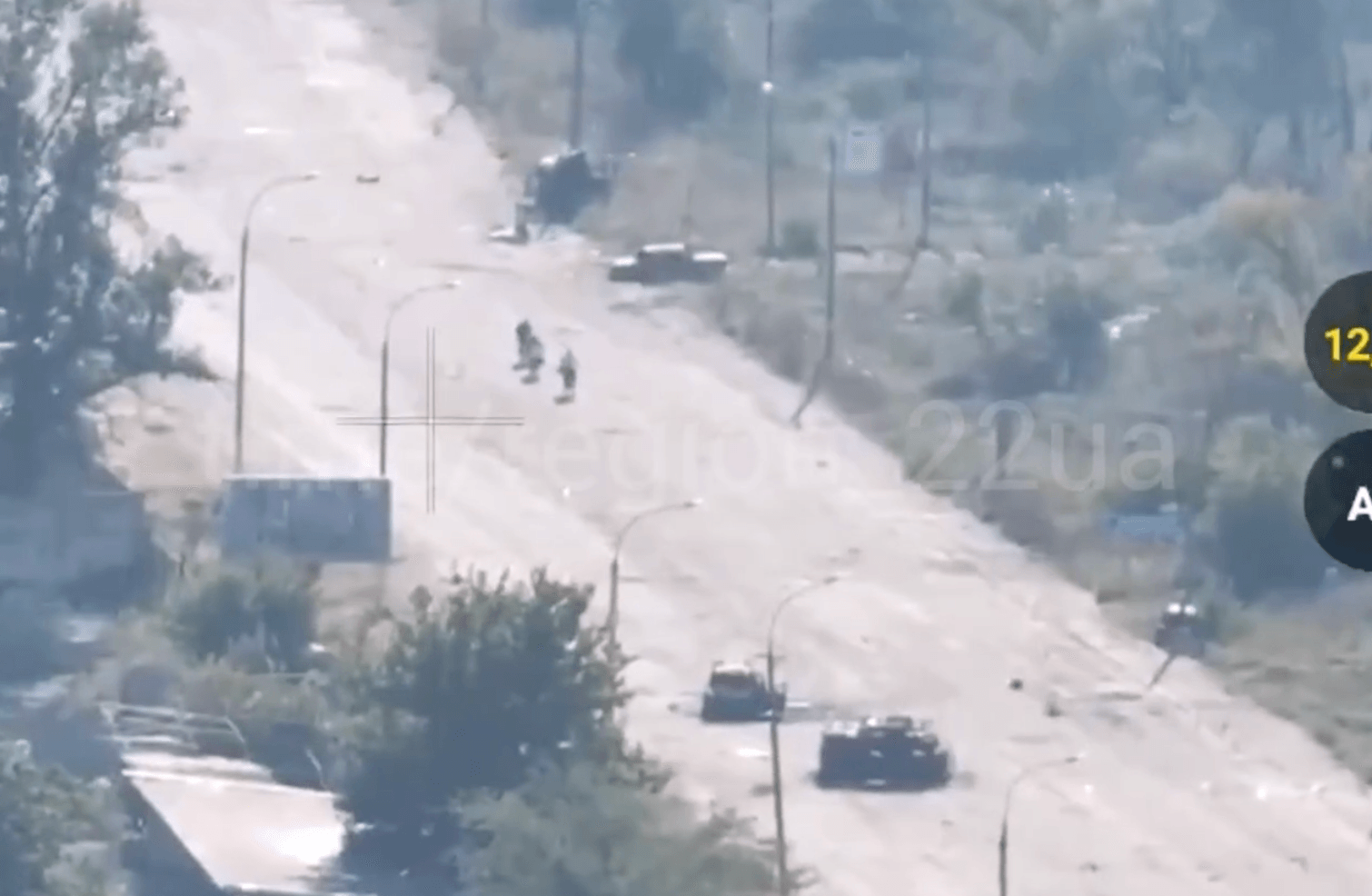
As the war has transformed over time, so have these attacks, with assault squads shrinking first from 6-10 infantrymen around 2023, to the small infiltration teams of two soldiers — sometimes just one at a time — sent to seep through Ukrainian lines.
What has stayed consistent is the fact that these men for years are treated by their command as single-use soldiers.
Interviews with Russian POWs consistently tell a story of the assault soldier's mission being nothing more than to advance to a given point on the map, often past enemy lines, and wait for more orders.
While some may pierce through and survive to be reinforced and later sent out again, many are killed or wounded before reaching their assigned objectives, eliminated by a Ukrainian drone, shell, or mine.
But amazingly, despite this grim everyday reality of Moscow's war machine, Russia is able to continue without resorting to forced mobilization, as tens of thousands of Russians continue to sign up voluntarily every month.
"Money remains central to how the Kremlin sustains its forces."
Motivation and coercion
Money remains the main motivator for Russian soldiers signing up to fight in Ukraine.
Recruits are offered sign-up bonuses and monthly salaries several times higher than the national average. Federal-level sign-up bonuses from the Defense Ministry are complemented by bonuses paid out by Russian regions, operating under strict recruitment quotas imposed by Moscow.
For many from poorer regions, joining the army means solving years of financial hardship in a single decision.
"They’re incentivized not only by finances but also by numerous social benefits. These include free education, housing subsidies, discounts on cars, and other privileges that make service more attractive," Stepanenko said.
Some also enlist to resolve personal or legal problems.
"There’s recruitment among prisoners and people facing financial or legal issues, like those with unpaid loans or minor criminal charges. For them, signing a contract can mean avoiding debt or punishment," Stepanenko said.

This supply of recruits is complemented by men from Russia's prison system, as well as foreigners, an important exception to the largely financially driven domestic recruitment system.
Migrants from Central Asia and other countries are another target group. Many are pressured to enlist through the threat of deportation or the loss of Russian citizenship.
Russia has also recruited smaller groups of foreign nationals from countries such as Cuba, Syria, Nepal, and sub-Saharan Africa, through local intermediaries or misleading job offers that later turned into military contracts.
"There’s a lot of coercion. Recruitment sometimes involves abuse, manipulation, or pressure in workplaces to meet quotas. But there’s also a large number of people who willingly sign contracts to fight in Ukraine because of the financial rewards. Money remains central to how the Kremlin sustains its forces," Stepanenko said.
Putin's social contract
Well into the fifth year of its full-scale invasion of Ukraine, Russia continues to sustain a large army without declaring general mobilization or facing mass protests.
"Putin has two overriding priorities — to subjugate Ukraine and to stay in power. When he announced partial mobilization in the fall of 2022, his popularity dropped the most," Max Bergmann, director of the Europe, Russia, and Eurasia program at the Center for Strategic and International Studies (CSIS), told The Kyiv Independent.
"Another mobilization risks provoking backlash not only against the war, but against his rule itself."
To avoid that, the Kremlin promotes the idea that participation in the war is voluntary. It presents those who fight as contract soldiers, rewarded with high pay and other benefits.
"There’s a kind of social contract between Putin and Russian society. Putin will not mobilize the broader Russian society and will pay those who serve, as long as people do not oppose the war," Stepanenko said.
“So far, it has worked — there have been no large-scale protests across Russia."
Mobilization around the corner?
Even though recruitment numbers remain steady, Russia's military has performed poorly on the battlefield over 2026 compared to years past — taking far less territory despite high losses, failing to capture the Donbas region, and even losing ground to Ukrainian counteroffensives.
According to Kyiv, the Kremlin is planning a so-called "peripheral mobilization" of 300,000 people before the end of 2026 and another 300,000 in 2027.
The term "peripheral" refers to Kremlin's alleged intention of drafting large numbers of people without announcing it publicly, and focusing efforts on more remote, disadvantaged regions — the same areas that have provided most of the volunteer recruits.
The new forced draft was expected to come after United Russia's planned victory in Russian State Duma elections in September, but five weeks later, it hasn't, with only a few reports of ramped up coercive recruitment.
If large-scale mobilization is eventually announced again in Russia, the experience of 2022 would suggest a likely exodus of military-aged men and other forms of day-to-day avoidance.
But even then nowhere in that picture is any expression among ordinary Russians — especially those invading a neighbor with weapon in hand — that their country's war against Ukraine is inherently wrong.