Record turnout marks start of Hungary’s decisive parliamentary elections
 on Google

Editor's note: The story is being updated with the latest voter turnout figures.
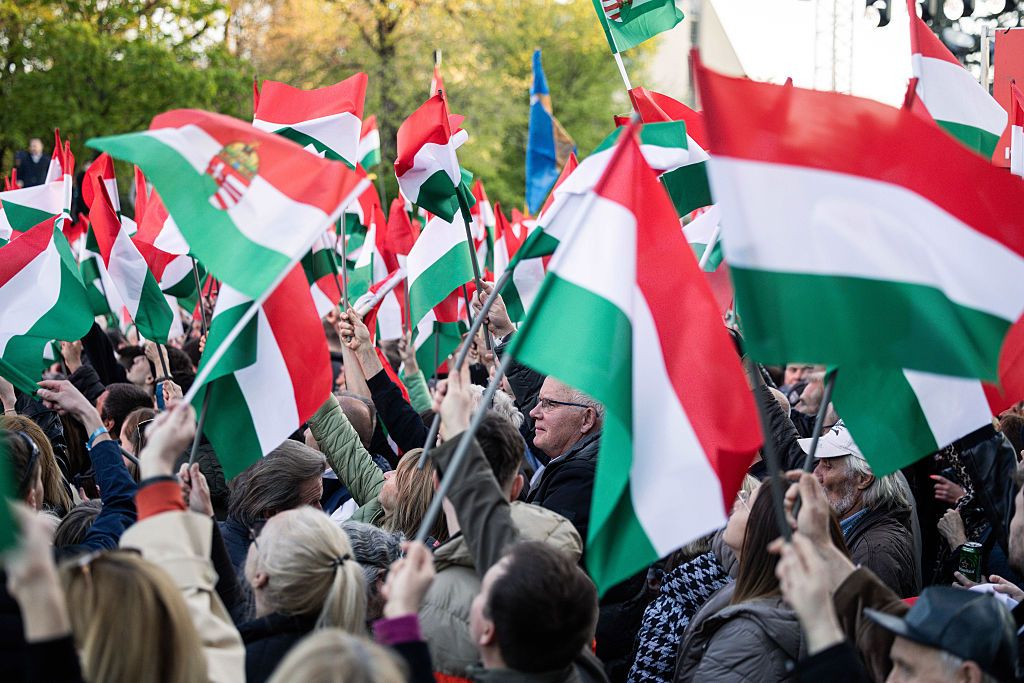
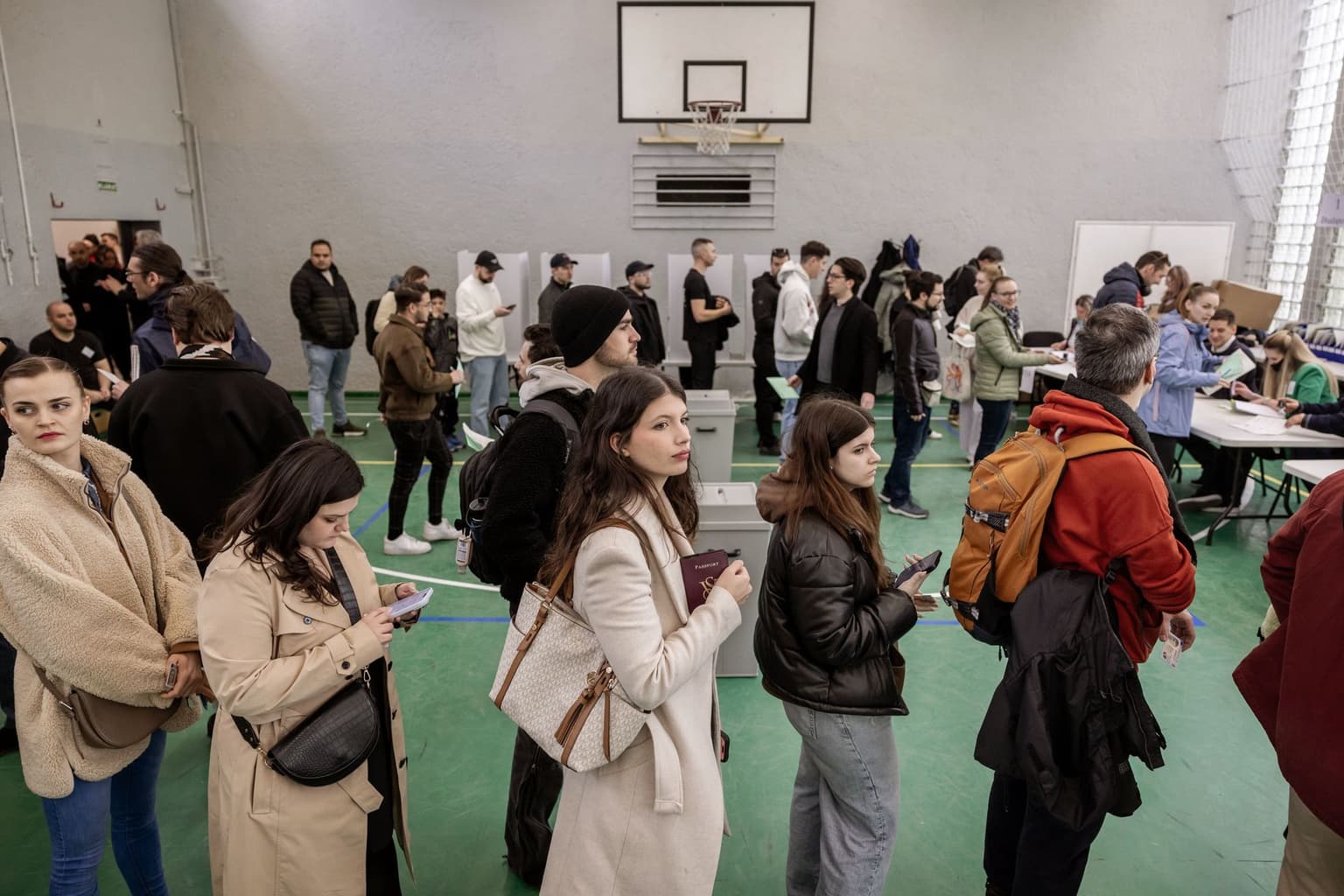
Record turnout marked the start of Hungary's parliamentary election on April 12, in a vote that could shape the country's future relationship with the European Union and Russia.
As of 11 a.m. CEST, voter turnout stood at 37.98%, the highest level ever recorded by that hour and about 12 percentage points higher than in 2022 (25.77%), according to the National Election Office of Hungary. Turnout in earlier elections was lower, including 29.93% in 2018, 23.23% in 2014, and 24.78% in 2010.
The record trend continues throughout the day, with turnout reaching 54.14% by noon, significantly higher than the 40.01% recorded at midday in the 2022 elections.
Polls opened at 6 a.m. and will remain open until 7 p.m. local time. If one party wins decisively, results could be known the same night, with most seats expected to be declared around 10 p.m. CET.
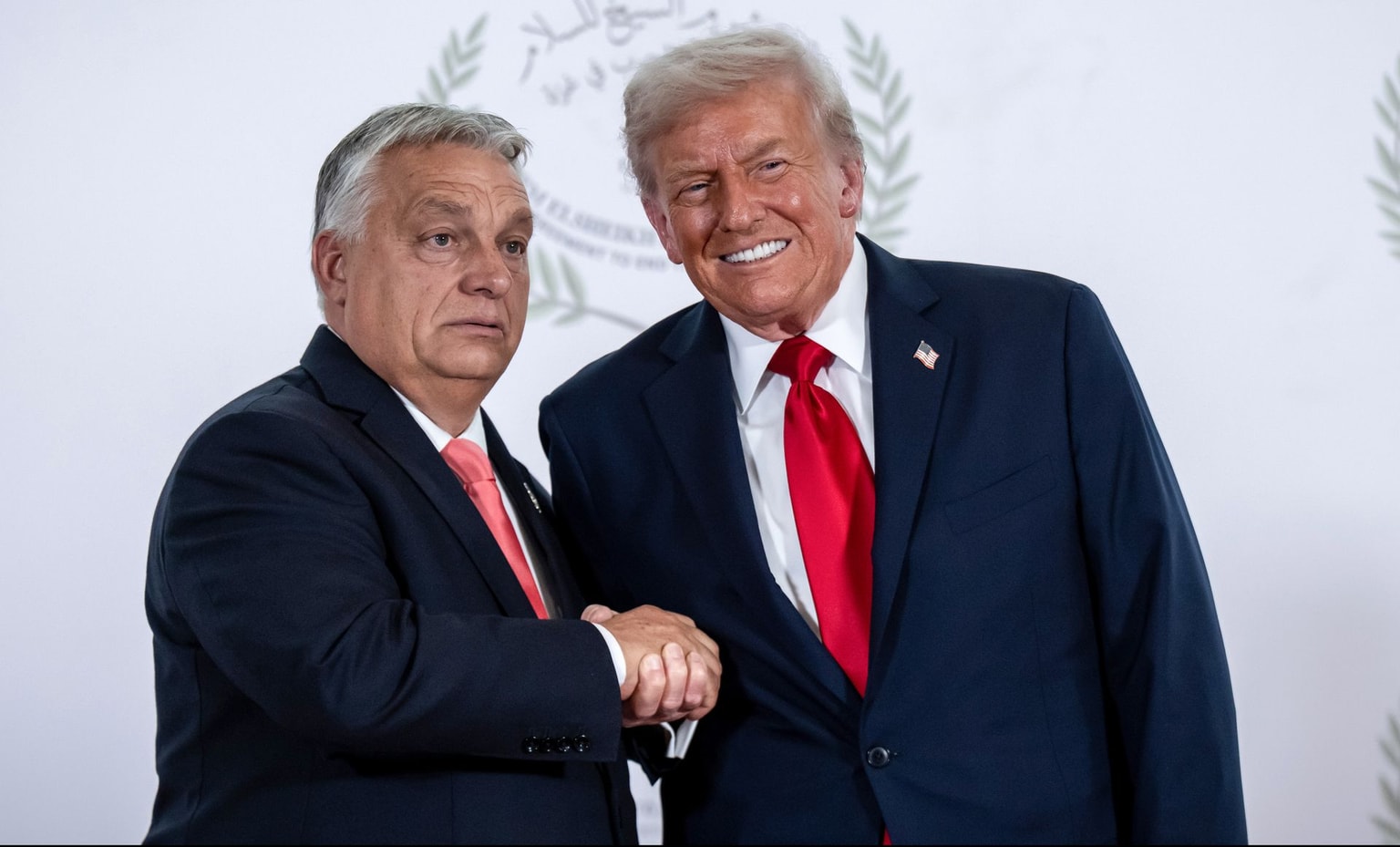
Hungarian Prime Minister Viktor Orban, who has led Hungary for 16 years with his Fidesz party, faces a strong challenge from the opposition Tisza party, led by Peter Magyar. Both leaders arrived at separate polling stations in Budapest around the same time to cast their votes.
Speaking to reporters outside after casting his ballot, Orban was asked by the Kyiv Independent's on-the-ground reporter, Francis Farrell: "In Zelensky’s place, would you hand over your territories to Russia?" He replied: "I'm lucky enough not to be Zelensky."
A polling average published March 29 by election analysts at Europe Elects showed Tisza with 49% support, compared with 41% for the governing Fidesz-KNDP coalition.
However, individual polls give widely varying results from a decisive win for Magyar's party (56% vs 27%) to a clear Orban victory (50% vs 42%), making it hard to draw definitive conclusions.
Fidesz, widely described by critics as far-right and illiberal, has been in power since 2010. Over the past 16 years, Orban and his party have overseen what many observers describe as democratic backsliding in Hungary.
The Hungarian leader has also wielded his country’s veto in the EU to block a 90 billion euro (€105.5 billion) loan for Ukraine, and the opening of negotiations with Kyiv to join the EU.
Meanwhile, Tisza has criticized the government's tilt toward Russia and pledged to repair relations with European partners. The opposition has united around Magyar, who has promised to fight corruption and restore ties with the EU and NATO.