German parliament rejects motion to deliver Taurus missiles to Ukraine
 on Google
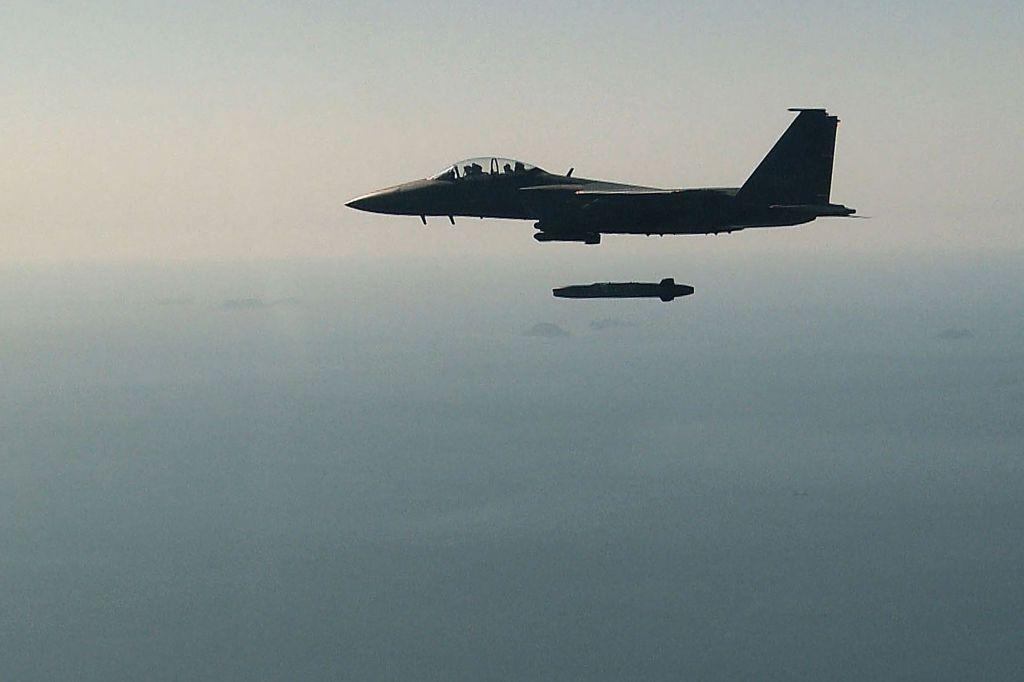
German lawmakers rejected a proposal from the Christian Democratic Union (CDU) and Christian Social Union in Bavaria (CSU) parties on transferring long-range Taurus missiles to Ukraine, the Bundestag said on Jan. 17.
Taurus missiles have been the subject of extensive discussion since Ukraine submitted a request for the weapons, which have a range of up to 500 kilometers, in May 2023.
Bild reported in October that Olaf Scholz is against sending Taurus missiles to Kyiv because he fears the move will draw Germany into the war. Ukraine has received other long-range missiles, such as the Storm Shadow from the U.K. and the French-made SCALP.
The motion was rejected in a roll-call vote with 485 lawmakers against, 178 in support, and three abstentions.
CDU parliamentary leader Friedrich Merz said that Ukrainian forces currently have "no prospect" of holding off Russian troops and that Taurus cruise missiles could make a substantial difference.
Amid Scholz's hesitation in the transfer of long-range missiles, apparently due to fears of "escalation" with Russia, Foreign Minister Dmytro Kuleba said that Taurus missiles would be "used solely inside our borders."
On Jan. 17, Berlin announced a new package of military aid for Ukraine, including ammunition for Leopard 1 tanks.