G7 leaders agree to step up sanctions against Russia
 on Google
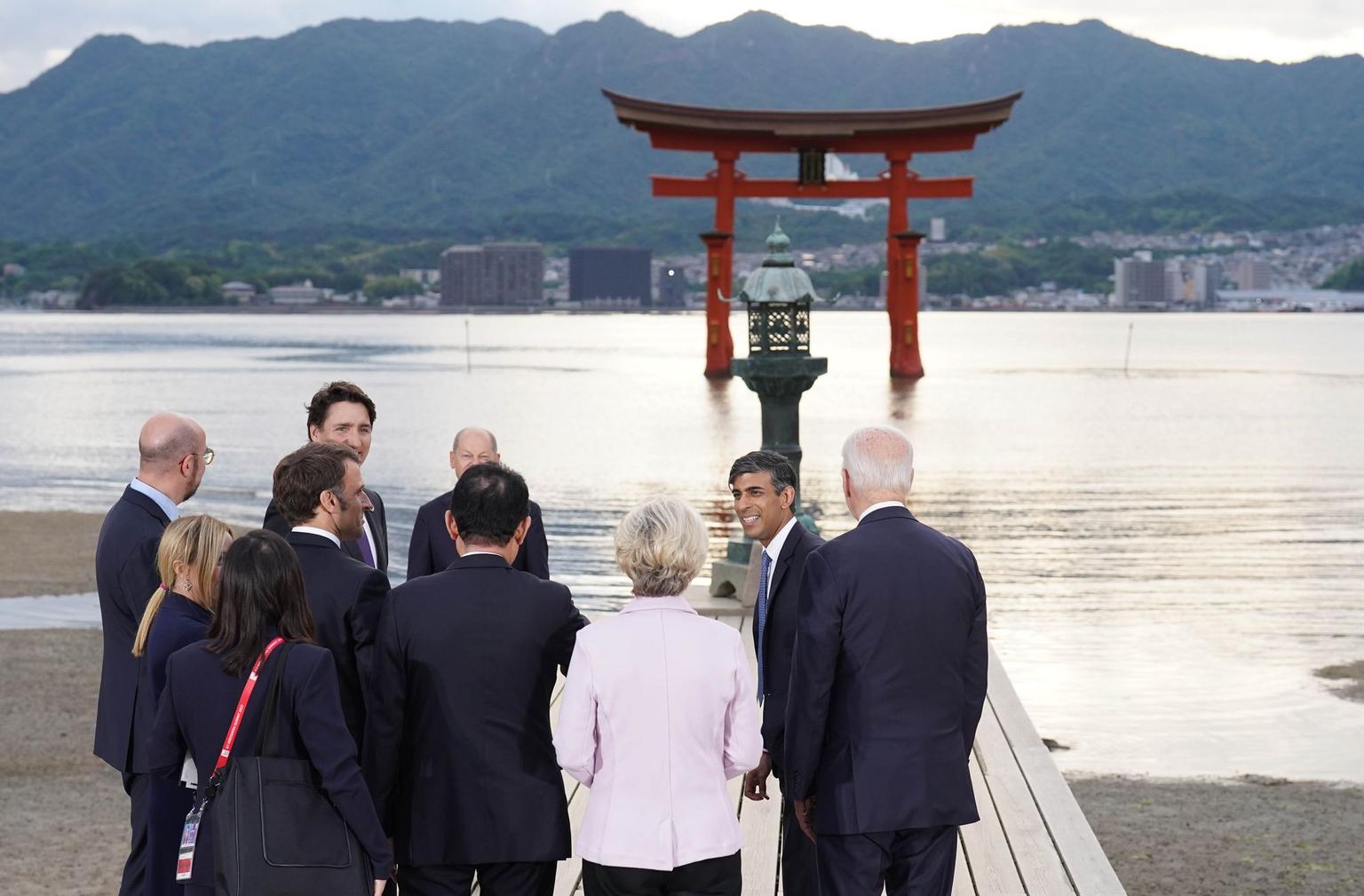
The leaders of G7 countries on May 19 agreed to tighten sanctions against Russia and expand financial aid to Ukraine at the summit in Hiroshima, Japan, as declared in their joint statement.
However, the joint statement provided little information about their next steps.
The Russian full-scale war against Ukraine is to be a key topic of the summit as President Volodymyr Zelensky is scheduled to attend it in person over the weekend.
The new sanctions target Russia’s ability to support its war efforts, aiming at industrial machinery and technology sectors.
Other measures aim to cut Moscow’s profit from diamond and metals export. Such a step was announced earlier today by British Prime Minister Rishi Sunak.
The G7 members have previously slapped a number of sanctions against Russia following its aggression against Ukraine.
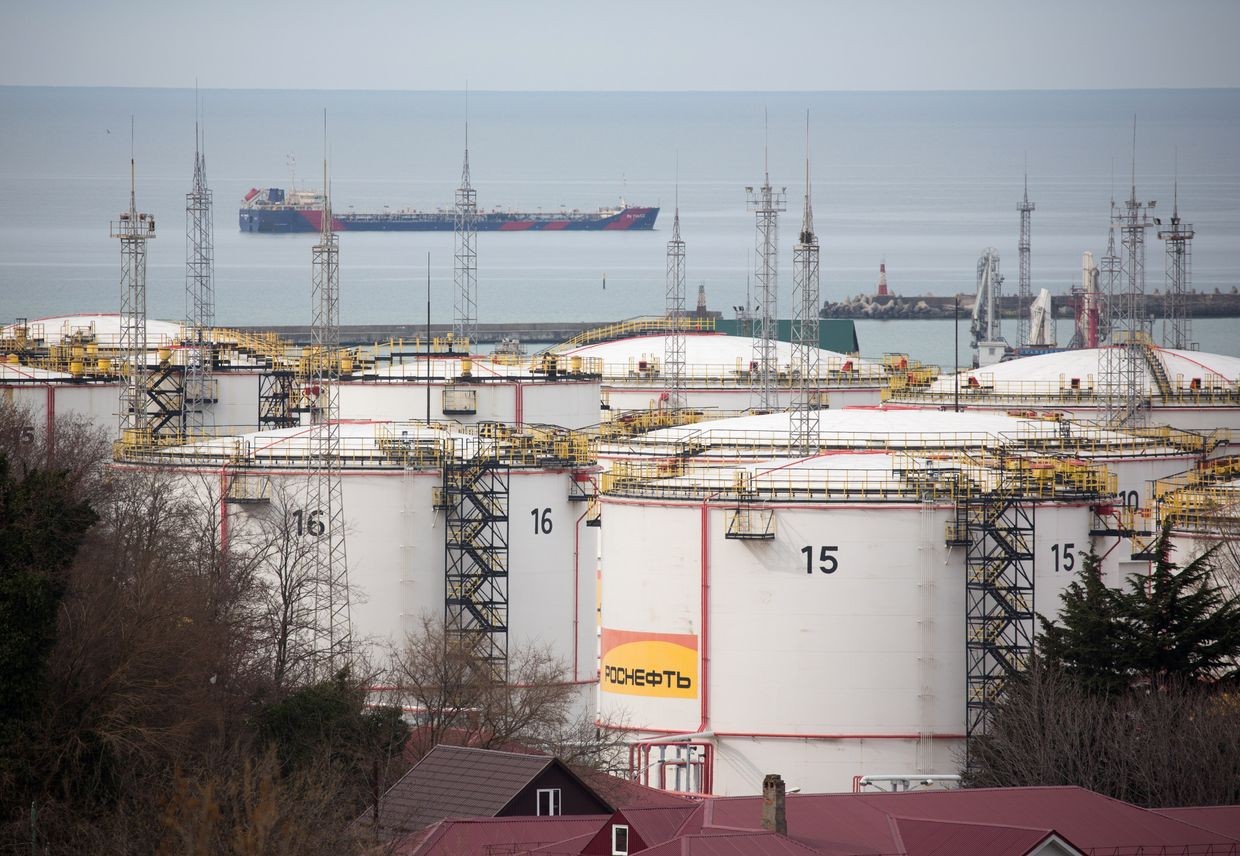
This included freezing Russian foreign assets, restricting access to the SWIFT banking system, and limiting oil imports from Russia.
Moscow seeks to evade these sanctions, using various third-party countries and entities.
To that effect, another crucial point of the new package is limiting Russia’s ability to circumvent sanctions.
The US has already announced its own set of measures against sanctions evasion.
Germany’s Chancellor Olaf Scholz attempted to temper Washington’s steps, calling for a more “pragmatic” approach.
During the first quarter of 2023, Germany’s exports to Russia's neighbors rose sharply, sparking fears that German goods reach Russia through intermediary countries.