European officials react to reports that Hungarian FM briefed Kremlin on confidential EU meetings for years
 on Google
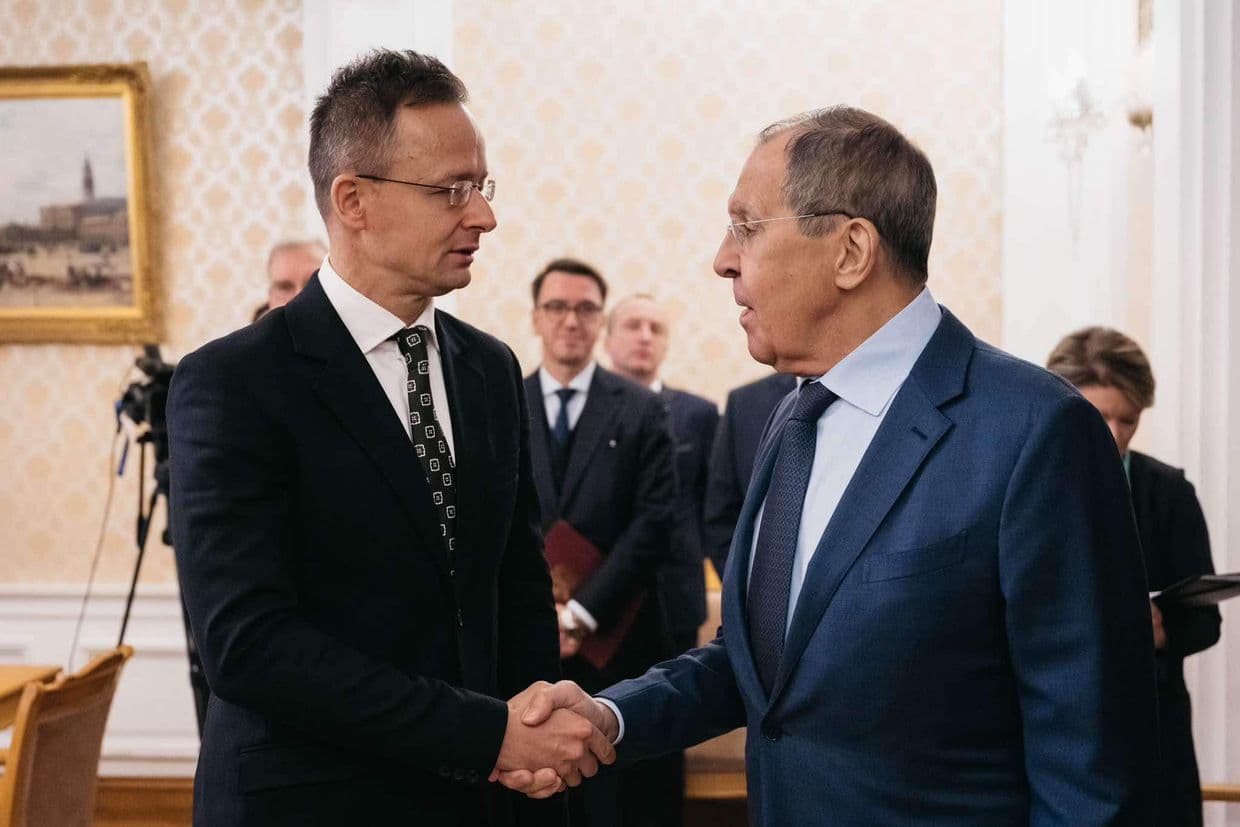
Officials from Poland and Hungary reacted on March 22 to reports that Hungarian Foreign Minister Peter Szijjarto has been briefing his Russian counterpart Sergey Lavrov on European Council meetings.
The Washington Post (WP) reported on March 21 that Szijjarto regularly phoned Lavrov during EU meeting breaks to share live updates on the discussions. These calls meant that "every single EU meeting for years has basically had Moscow behind the table," a European security official told the outlet.
Budapest dismissed the reports as "fake news" meant to harm the ruling Fidesz party's chances in the upcoming parliamentary elections.
Hungarians will head to the polls on April 12, in an election poised to break Prime Minister Viktor Orban's 16-year grip on power. Polling shows Orban's Fidesz party trailing behind the Tisza Party, led by opposition figure Peter Magyar.
"You are telling lies in order to support Tisza Party to have a pro-war puppet government in Hungary," Szijjarto wrote on X on March 22 in response to the WP claims.

Polish officials, however, expressed no surprise at the report that Szijjarto briefed the Kremlin on confidential EU discussions.
"The news that Orban's people inform Moscow about EU Council meetings in every detail shouldn't come as a surprise to anyone," Polish Prime Minister Donald Tusk wrote.
"We've had our suspicions about that for a long time. That's one reason why I take the floor only when strictly necessary and say just as much as necessary."
Polish Foreign Minister Radoslaw Sikorski also shared the WP story on social media, tagging Szijjarto and writing: "This would explain a lot, Peter."
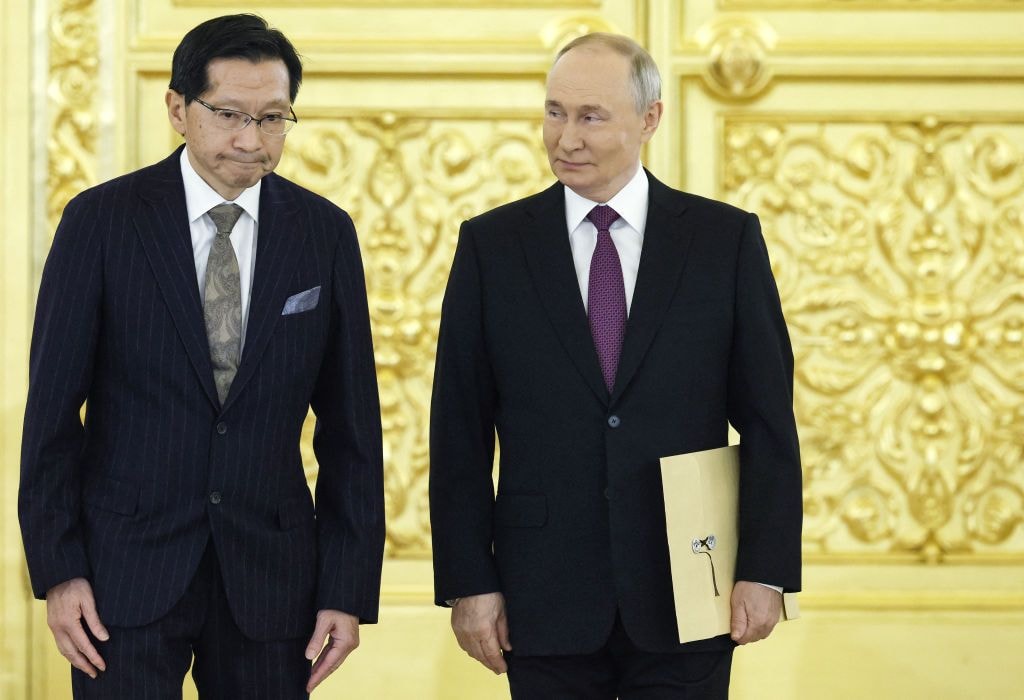
Hungary is widely seen as the most pro-Kremlin country in the EU, maintaining close ties with Moscow even after the full-scale invasion of Ukraine. Szijjarto has made 16 official visits to Moscow since 2022, including his most recent meeting with Russian President Vladimir Putin on March 4.
Tensions between Ukraine and Hungary have also risen as the election nears. The recent rift centers on the suspension of the Druzhba pipeline, which supplies Russian crude to Hungary and Slovakia and has been offline since late January.
Kyiv said the pipeline was damaged by a Russian attack, a claim Budapest denies. In retaliation, Hungary and Slovakia halted diesel fuel supplies to Ukraine and blocked the 20th package of EU sanctions against Russia. Orban is also blocking a 90-billion-euro ($106 billion) loan to Kyiv, a crucial financial lifeline amid the war.