News Feed

EU to push G7 to lower Russian oil price cap, commissioner says

2 min read
EU to push G7 to lower Russian oil price cap, commissioner says
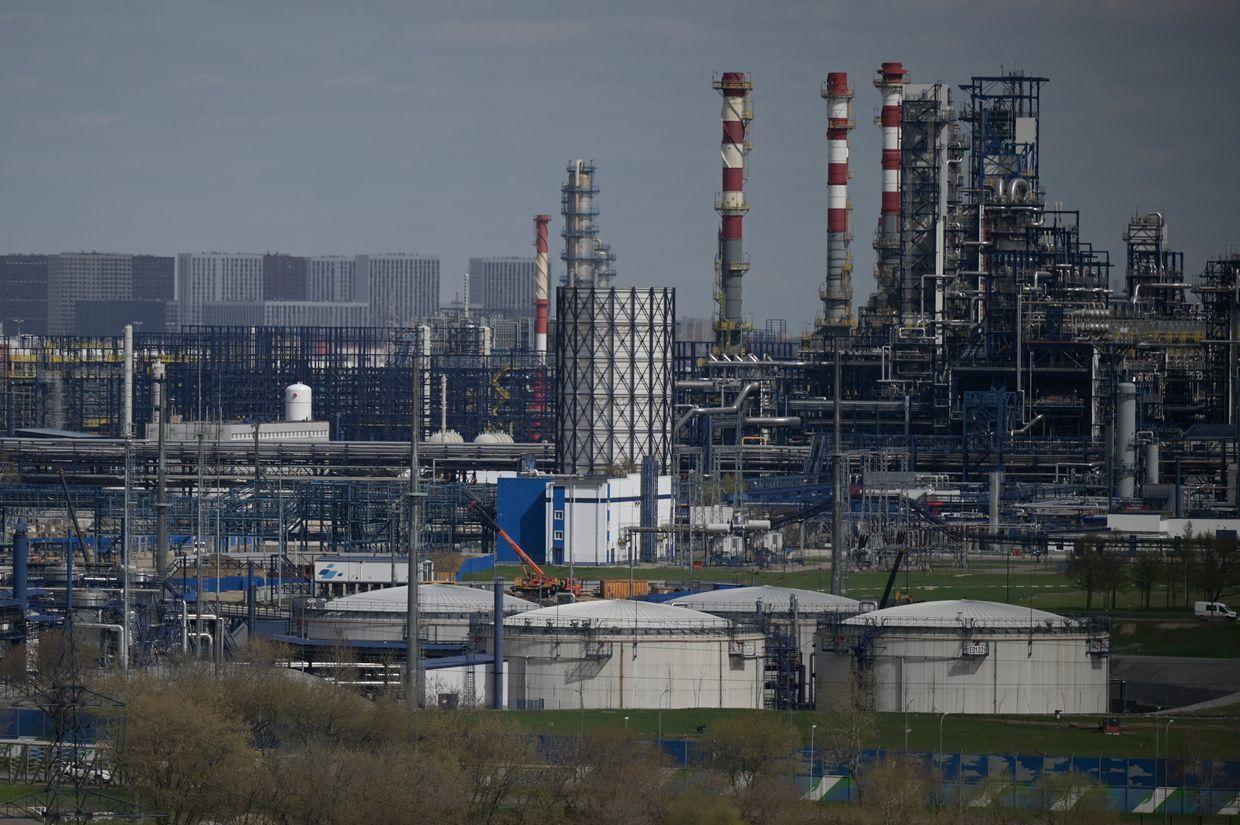
Illustrative image: A view shows the Russian oil producer Gazprom Neft's Moscow oil refinery on the south-eastern outskirts of Moscow, Russia on April 28, 2022. (Natalia Kolesnikova/AFP/Getty Images)

The European Union will propose this week that Group of Seven (G7) finance ministers reduce the current $60-per-barrel cap on Russian seaborne oil exports, European Economic Commissioner Valdis Dombrovskis said on May 19, according to Reuters.

Brussels and its allies seek to further reduce the Kremlin's revenue from fossil fuel exports, a key funding source for its war against Ukraine. Dombrovskis confirmed the EU will formally raise the issue during this week's G7 finance ministers' meeting in Canada.

"This is something which we flagged from the Commission's side in the context of the 18th sanctions package," Dombrovskis said. "I would expect some interest also from other G7 partners in this regard and some discussion."

The G7 oil price cap, established in December 2022, prevents Western companies from shipping, insuring, or providing related services for Russian crude sold above $60 per barrel. EU officials told Reuters that a $50 per barrel proposal would be made at the upcoming meeting.

Western leaders are concerned that the existing cap has lost effectiveness as Russia reroutes exports through a "shadow fleet" of tankers operating outside regular maritime oversight.

The fleet enables Moscow to bypass the cap and sell oil above the threshold, including to countries in Asia. Germany's Foreign Minister Johann Wadephul on May 17 said the EU would back expanded sanctions targeting this shadow fleet.

The Kremlin's budget is increasingly strained by soaring military expenditures, with Russia's Finance Ministry relying heavily on energy revenues to maintain operations and fund continued aggression against Ukraine.

Avatar
Tim Zadorozhnyy

Reporter

Tim Zadorozhnyy is a reporter at the Kyiv Independent covering foreign policy, U.S.-Ukraine relations, and political developments across Europe and Russia. He studied International Relations and European Studies at Lazarski University and Coventry University. Tim began his journalism career in Odesa in 2022 as a reporter for a local television channel. He later spent a year and a half at the Belarusian independent media outlet NEXTA, first as a news anchor and later as a managing editor. He is fluent in English, Ukrainian, and Russian.

Read more
News Feed

During a meeting with Energy Minister Denys Shmyhal on July 12, President Volodymyr Zelensky stressed the need to take additional "more decisive" steps to protect Ukraine's energy infrastructure and emphasized the importance of robust winter preparedness plans for communities and regions.

 (Updated:  )

Yulia Svyrydenko, who replaced former Prime Minister Denys Shmyhal in July 2025, will now take on a new role leading cooperation with Ukraine’s key partners, Zelensky announced on social media.

Video

Once promoted by the Kremlin as a symbol of Russia’s resurgence and a premier tourist destination, the peninsula now faces mounting pressure from Ukrainian drone strikes targeting military infrastructure, logistics, and supply routes.

President Volodymyr Zelensky said on July 11 that he is preparing changes to Ukraine’s “diplomatic efforts” to accelerate weapons deliveries from allies, as Ukraine's stockpile of Patriot air defense missiles has run dry.

Show More