Ukraine's critical Patriot shortage prompts Zelensky to chase down partner pledges
 on Google

President Volodymyr Zelensky instructed Ukraine's Air Force commander on April 16 to contact partners that had pledged missiles for the Patriot air defense system and other platforms, amid a worsening shortage of interceptors.
The directive came days after Zelensky warned that Ukraine's supply of U.S.-produced Patriot missiles had reached a critical level, as Russia continues large-scale strikes on Ukrainian cities.
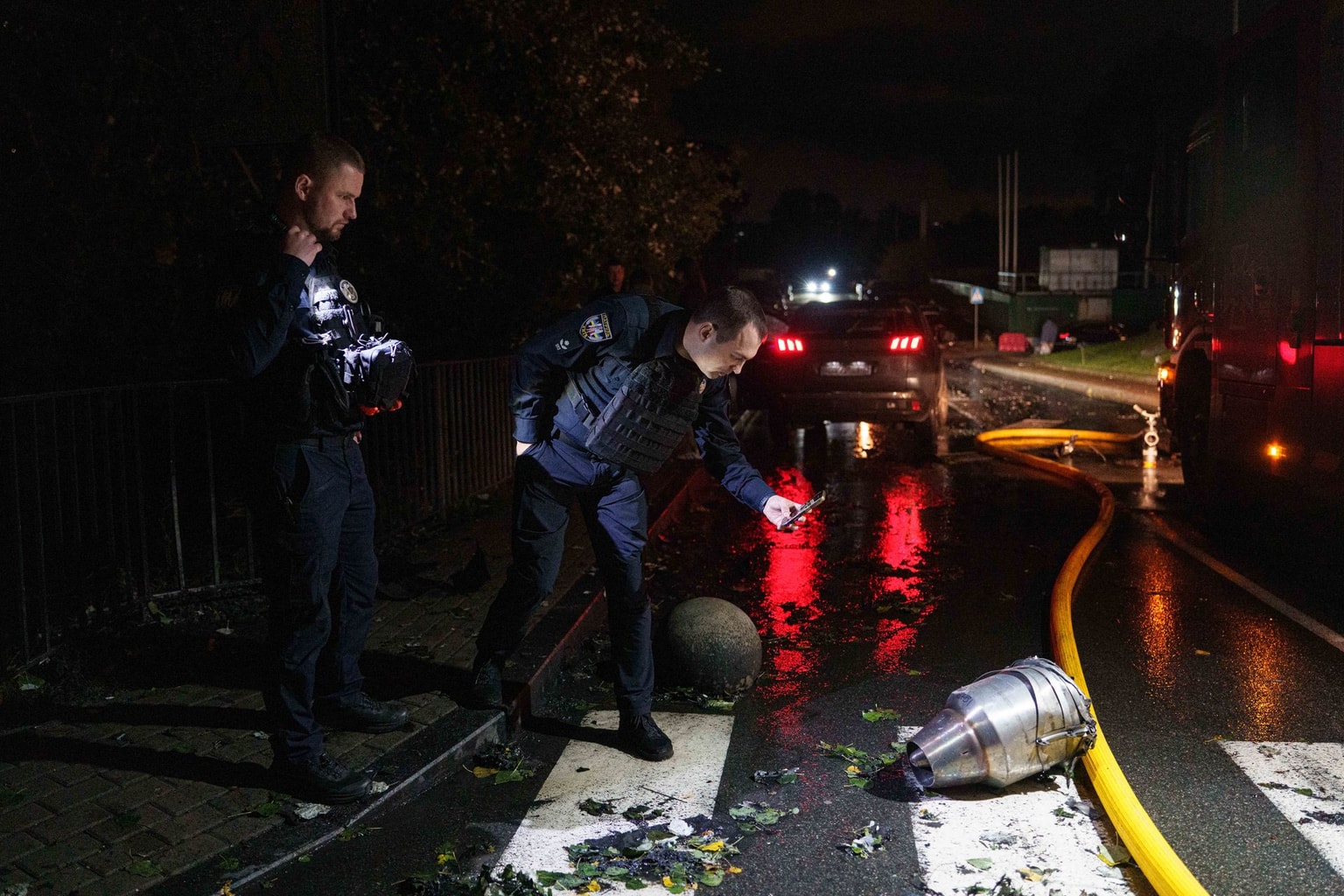
Russian missiles and drones hit residential areas overnight on April 16, destroying homes, setting buildings ablaze, and killing at least 17 people while injuring more than 100.
The Air Force said Russia launched 19 ballistic missiles, 25 cruise missiles, and 659 drones in the attack.
"The pressure on Russia must be effective," Zelensky said. "And it is important to fulfill every promise of assistance to Ukraine in a timely manner. There are many political commitments from our partners that have already been announced but not yet implemented."
Patriot interceptors have become a key bottleneck for Ukraine's air defense.
The missiles, produced in the United States, remain the country's most effective protection against Russian ballistic strikes, which are difficult to intercept with other systems. Additional manufacturing capacity is under development in Germany, but supplies remain limited.
"The situation is in such a deficit, it could not be any worse," Zelensky said on April 14, warning that the Middle East conflict is reducing Ukraine's chances of receiving additional military aid.