Bundestag votes no confidence in Scholz government, elections set for February
 on Google
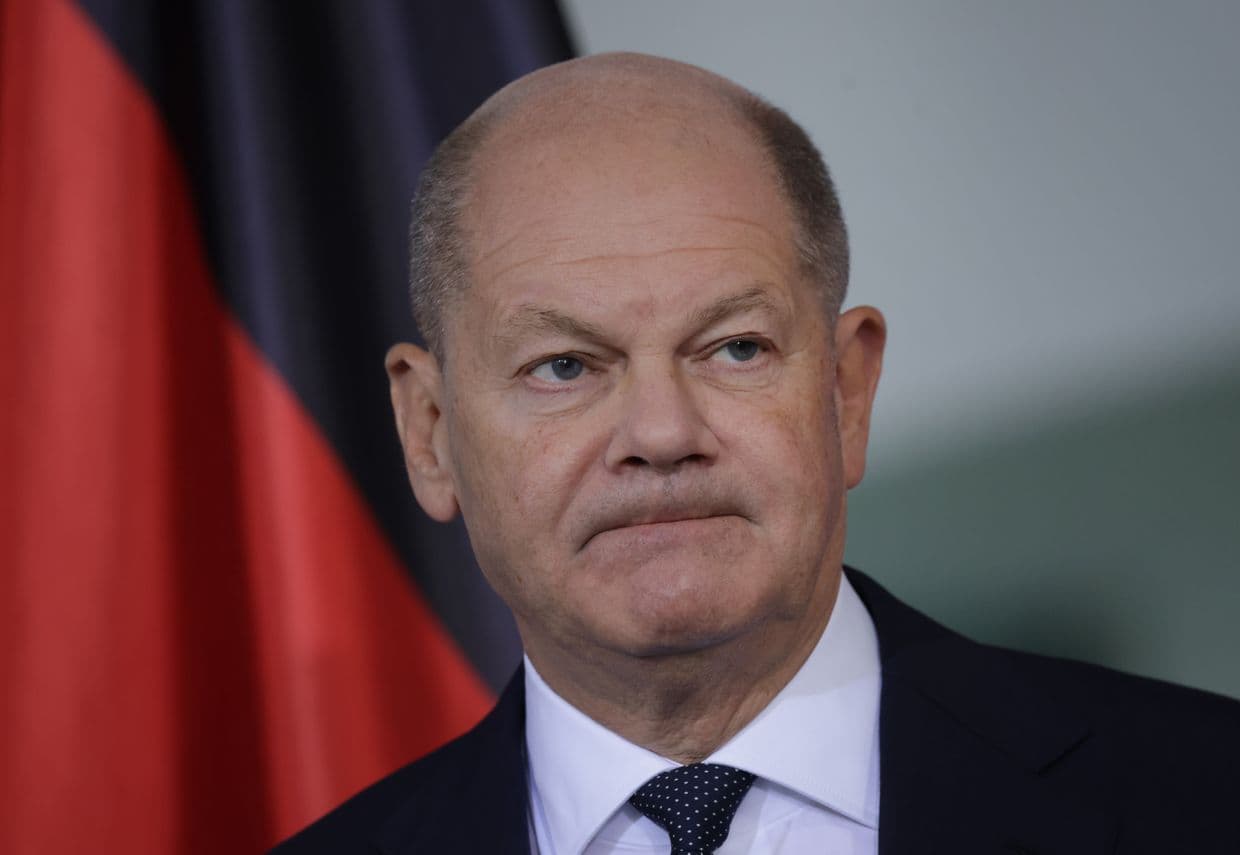
Chancellor Olaf Scholz failed a confidence vote in the Bundestag on Dec. 16, paving the way for early parliamentary elections scheduled for Feb. 23.
Out of 717 lawmakers who participated in the vote, only 207 supported Scholz’s government, matching the size of his Social Democratic Party (SPD) faction. A total of 394 MPs expressed no confidence, while 116 abstained.
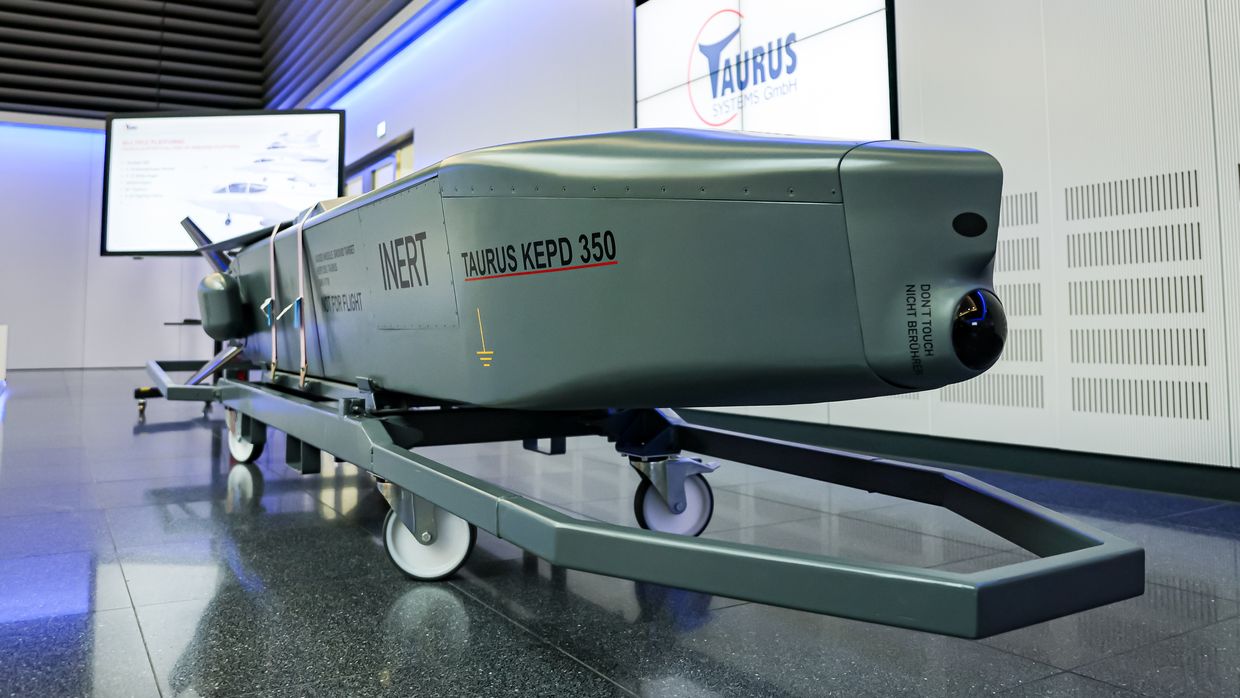
The SPD faces criticism for its defense policies, including its refusal to deliver Taurus long-range missiles to Ukraine.
According to a leaked draft of the party's election platform, the SPD remains opposed to the missiles, citing that providing them could escalate Germany’s involvement in Russia's war against Ukraine. Scholz has maintained this stance despite calls from Kyiv and other Western allies.

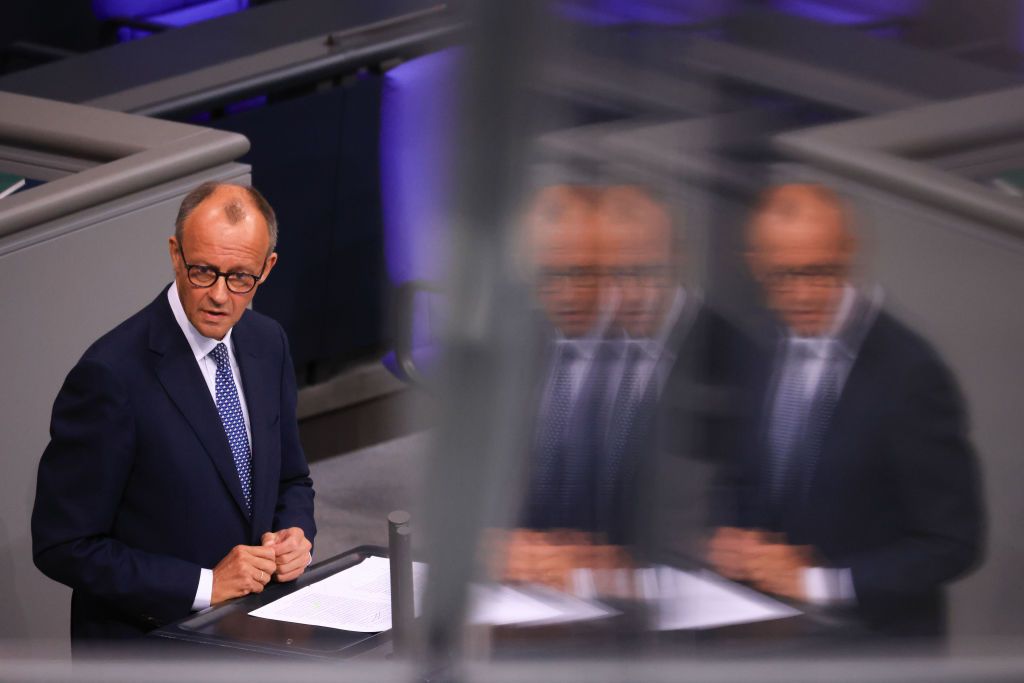
Friedrich Merz, leader of the opposition Christian Democratic Union (CDU), has voiced support for supplying Taurus missiles to Ukraine.
Merz, whose CDU/CSU alliance is leading in the polls ahead of the February election, visited Kyiv and pledged a more assertive approach to arming Ukraine.
"We want your army to be capable of hitting military bases in Russia. Not civilians, not infrastructure, but military targets from which your country is being attacked," Merz said during his visit, although he cautioned that the missiles would not be a “miraculous” solution to the conflict.
The CDU’s election platform reportedly commits to comprehensive support for Ukraine, including diplomatic, financial, humanitarian, and military aid.
Merz has also argued that Germany could lift restrictions on the Taurus missiles without becoming a direct participant in the war, following precedents set by the U.K. and U.S.
As the elections approach, defense and foreign policy are likely to remain central issues, with the CDU positioning itself as a stronger ally to Ukraine compared to Scholz’s SPD.