Orban threatens force over oil dispute; Zelensky says Ukrainian army could 'speak' to one EU funds blocker
 on Google
Read the latest news on Ukraine and Hungary here: Kyiv slams Hungary taking 'hostage' Ukrainian bank staff carrying gold bars, millions in cash.
'Not acceptable' — EU rebukes Zelensky over Orban 'threat.'
Editor's note: The story has been updated with the latest details.
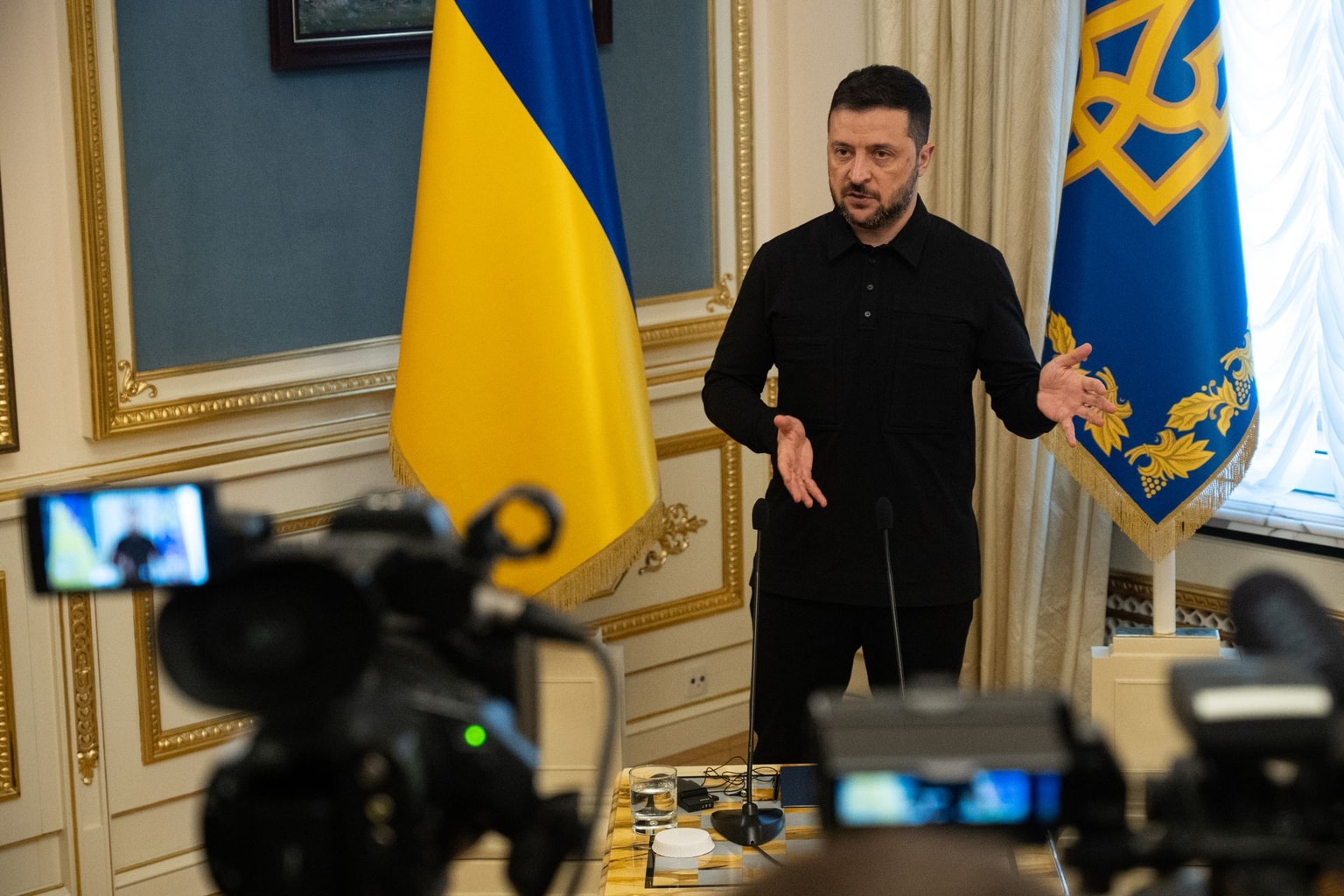
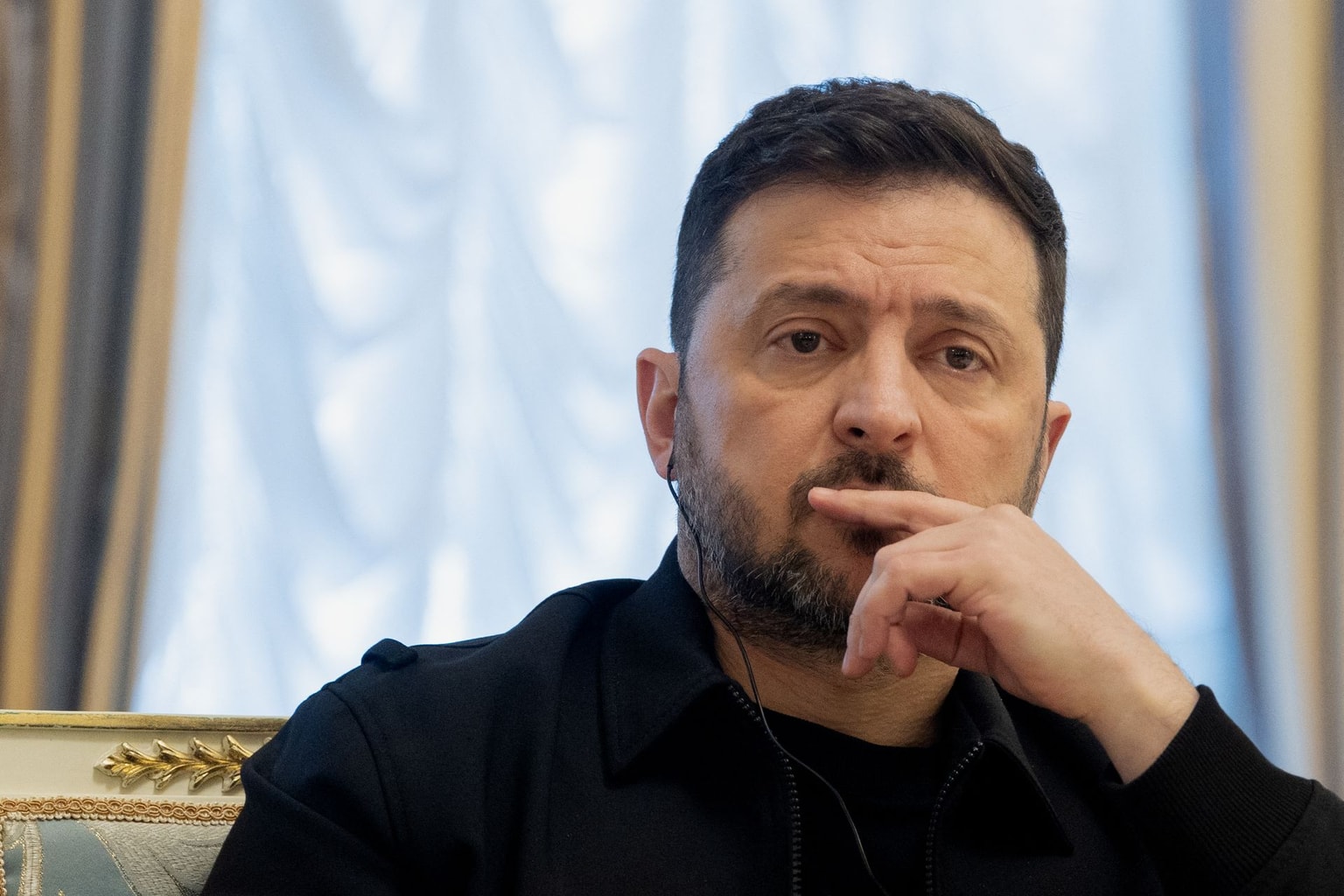
President Volodymyr Zelensky said on March 5 he hopes the blocking of a 90 billion euro ($107 billion) European Union loan for Ukraine by "one person" will end, warning that otherwise he could give that individual's address to Ukraine's military.
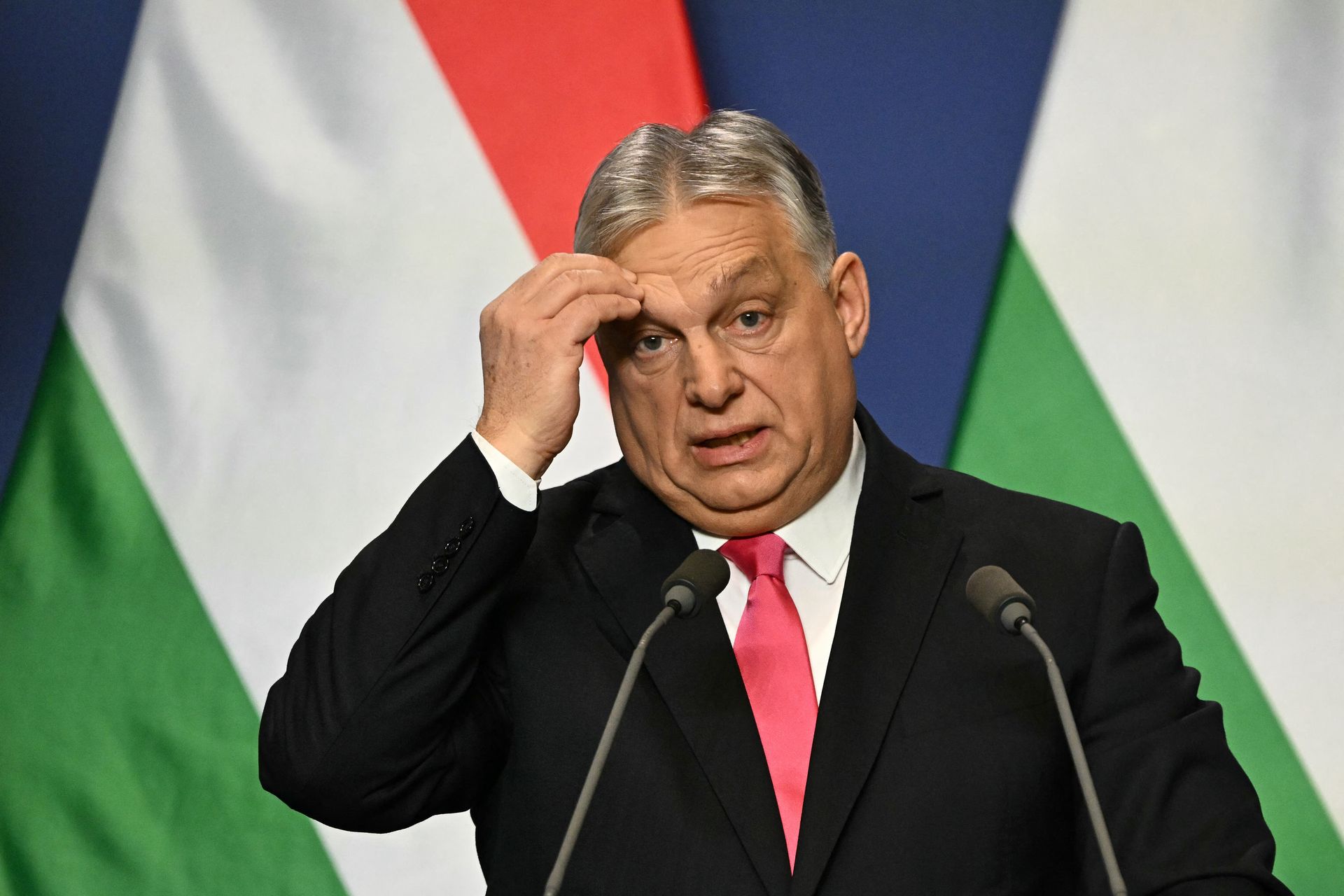
Zelensky did not name the person, but the remarks appear aimed at Hungarian Prime Minister Viktor Orban, who has blocked the loan amid a dispute over the suspension of the Druzhba pipeline.
Orban wrote on X prior that his country would "break" what he described as a Ukrainian oil blockade "by force."
"There will be no deals, no compromise," Hungarian Prime Minister Viktor Orban wrote.
The Ukrainian president didn't hold back.
"We hope that one person in the EU will not block the 90 billion euros — or at least the first tranche of it — so that Ukrainian soldiers receive the weapons they need," Zelensky said.
"Otherwise, we will simply give the address of that person to our Armed Forces — our guys can call him and speak to him in their own language."
The standoff marks the latest escalation in tensions between Ukraine and Hungary, one of the EU's most Moscow-friendly governments, over disruptions to Russian oil transit.
The Druzhba pipeline, which supplies Russian crude to Hungary and Slovakia, has been offline since late January after a Russian strike damaged energy infrastructure in western Ukraine, according to Kyiv. Budapest and Bratislava accuse Ukraine of deliberately halting transit.
Hungary vetoed the EU's 20th sanctions package against Russia on Feb. 23 and also blocked the loan. A source familiar with Hungary's position told the Kyiv Independent that Budapest intends to maintain its stance until oil deliveries through Druzhba resume.
During the same briefing, Zelensky said he does not support restoring the pipeline.
"To be honest, I would not restore it. That is my position," he said, adding that he had communicated this view to European leaders and EU officials. "This is Russian oil."
The president argued that Ukraine should not prioritize supplying Russian crude while Russia continues its war. He added that technically the pipeline could be repaired within about six weeks.
Hungary and Slovakia, both landlocked countries, were the only EU members still receiving Russian crude via the pipeline's southern branch before the disruption. The route accounts for roughly 86–92% of Hungary's oil imports and nearly all of Slovakia's supply.
Orban's government has deepened energy ties with Moscow throughout the war while repeatedly obstructing EU sanctions on Russia or aid to Ukraine.
Budapest and Bratislava have called for a joint inspection of the damaged pipeline with EU participation, a proposal Zelensky said he would consider if formally requested.
Analysts link Orban's confrontational rhetoric toward Ukraine to Hungary's upcoming parliamentary elections in April. The ruling Fidesz party trails the opposition Tisza party in polls.
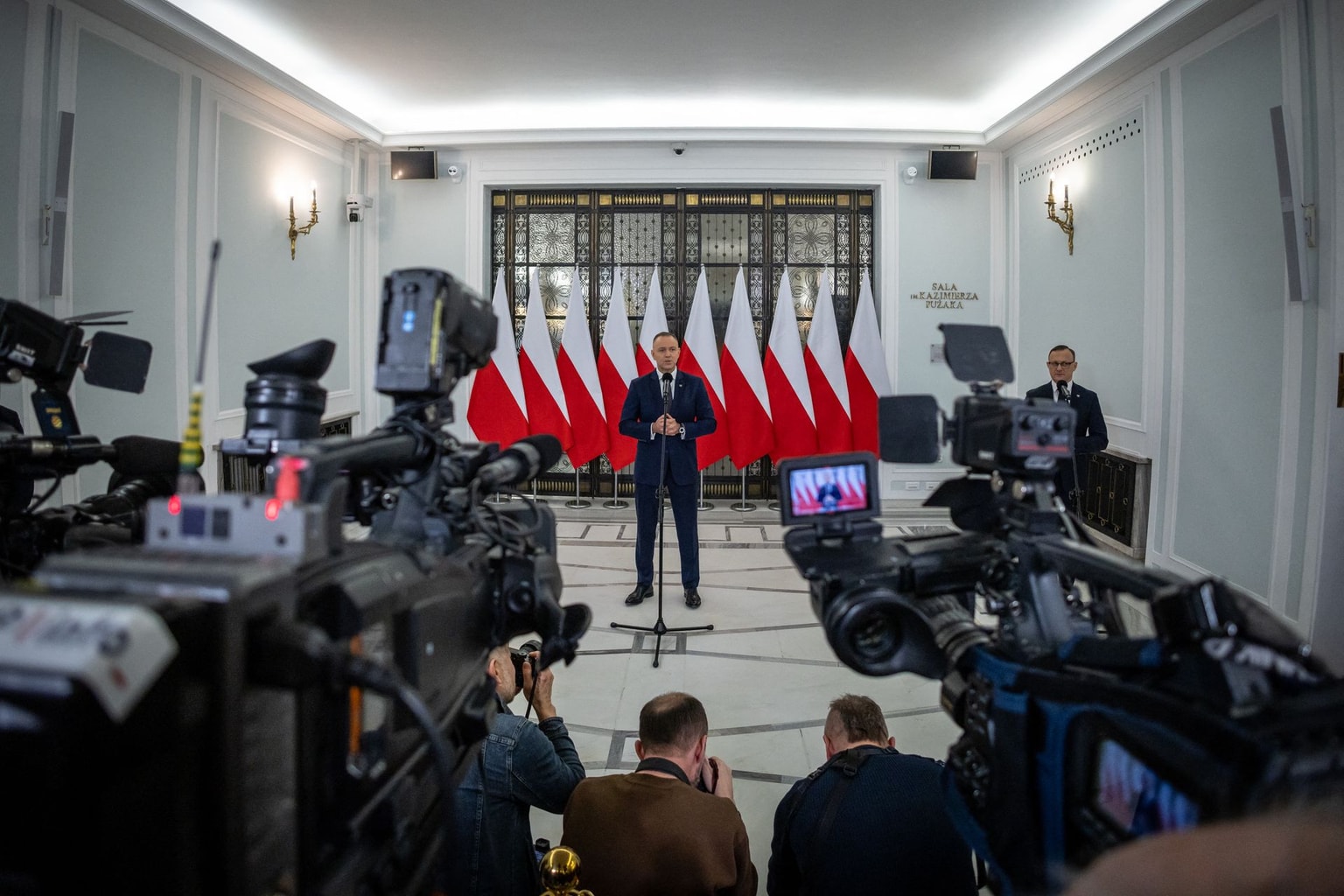
Peter Magyar, leader of Tisza, responded to the dispute by urging Zelensky to "withdraw" his remarks.
"No foreign state leader can threaten anyone, not a single Hungarian," he said. "Neither the outgoing Orban government nor the future Tisza government, not a single Hungarian."
Magyar called on the Ukrainian president to "clarify his words, and if he really said this, to withdraw them," and also to "report on the condition of the Druzhba oil pipeline."
"If possible, open it as soon as possible, start it up."
The Tisza party has condemned Russia's invasion of Ukraine and signaled plans to reduce Hungary's dependence on Russian energy, while opposing arms deliveries from Hungary to Kyiv and rejecting fast-tracking Ukraine's EU accession.
The EU urged both Kyiv and Budapest to "dial down" their "inflammatory rhetoric," while calling Zelensky's remarks "not acceptable."
"There must not be threats against EU member states," European Commission spokesperson Olof Gill said on March 6.