Ukraine war latest: Ukrainian forces carry out 2 aerial evacuations of wounded soldiers, video shows
 on Google

Key developments on Oct. 26:
- Ukrainian forces carry out 2 aerial evacuations of wounded soldiers, video shows
- Death toll from Russian attack on park in Kharkiv Oblast on Oct. 19 rises to 6 after child dies in hospital
- Ukraine strikes Russian plant producing missile, bomb batteries in Yelets, General Staff says
- Exclusive: Russia significantly expands glide-bomb production, research shows
- Russian ministry recommends underground data centers following Ukrainian drone strikes
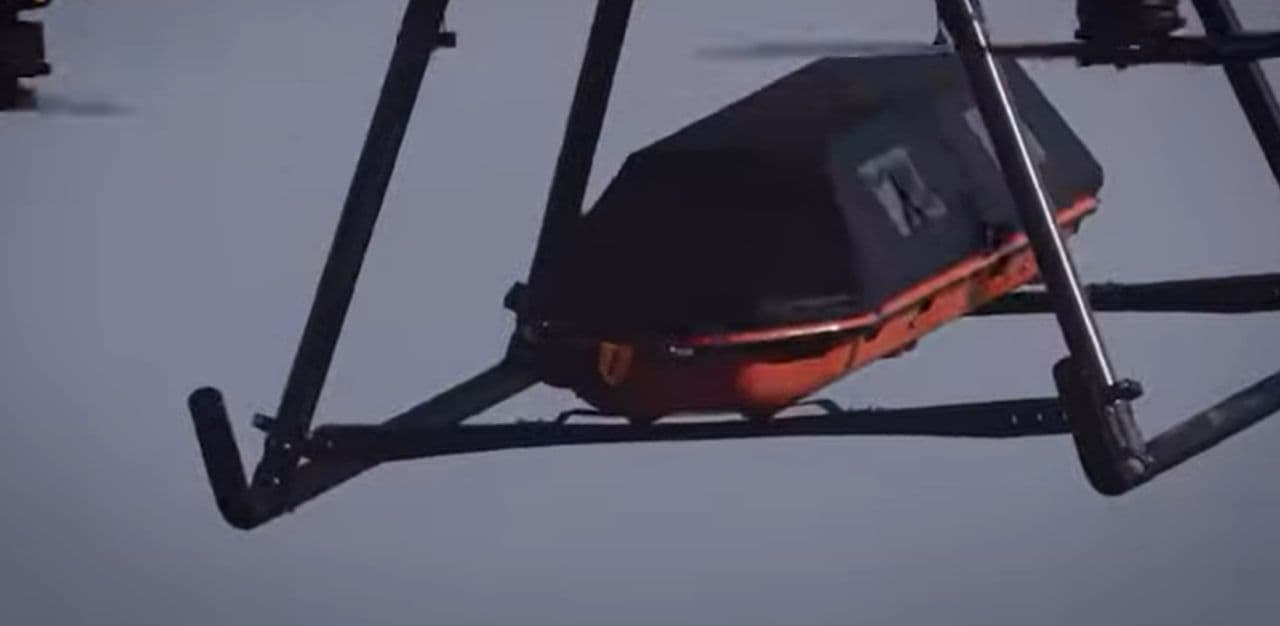
Ukraine's 475th Separate Assault Regiment Code 9.2 evacuated two severely wounded soldiers from the battlefield using a domestically developed aerial evacuation drone, StarGate, the unit reported on Oct. 26.
The two soldiers, 25-year-old Yevhen, call sign "Izium," and 24-year-old Artem, call sign "Kolobok," had suffered severe limb injuries and were stranded in a contested area about five kilometers (three miles) from the Russian border.

Ground evacuation was impossible due to difficult terrain, water obstacles, and the threat of Russian first-person-view (FPV) drones, the regiment said.
The two evacuation missions were carried out over the course of a week in cooperation with SkyFall, the Ukrainian company that developed and manufactures StarGate.
The operations required coordination between several units and fire support from heavy Vampire attack drones to suppress Russian positions.
During one mission, StarGate flew nearly 30 kilometers (20 miles) to reach a wounded soldier and approximately the same distance back with him aboard.
Death toll from Russian attack on park in Kharkiv Oblast on Oct. 19 rises to 6 after child dies in hospital
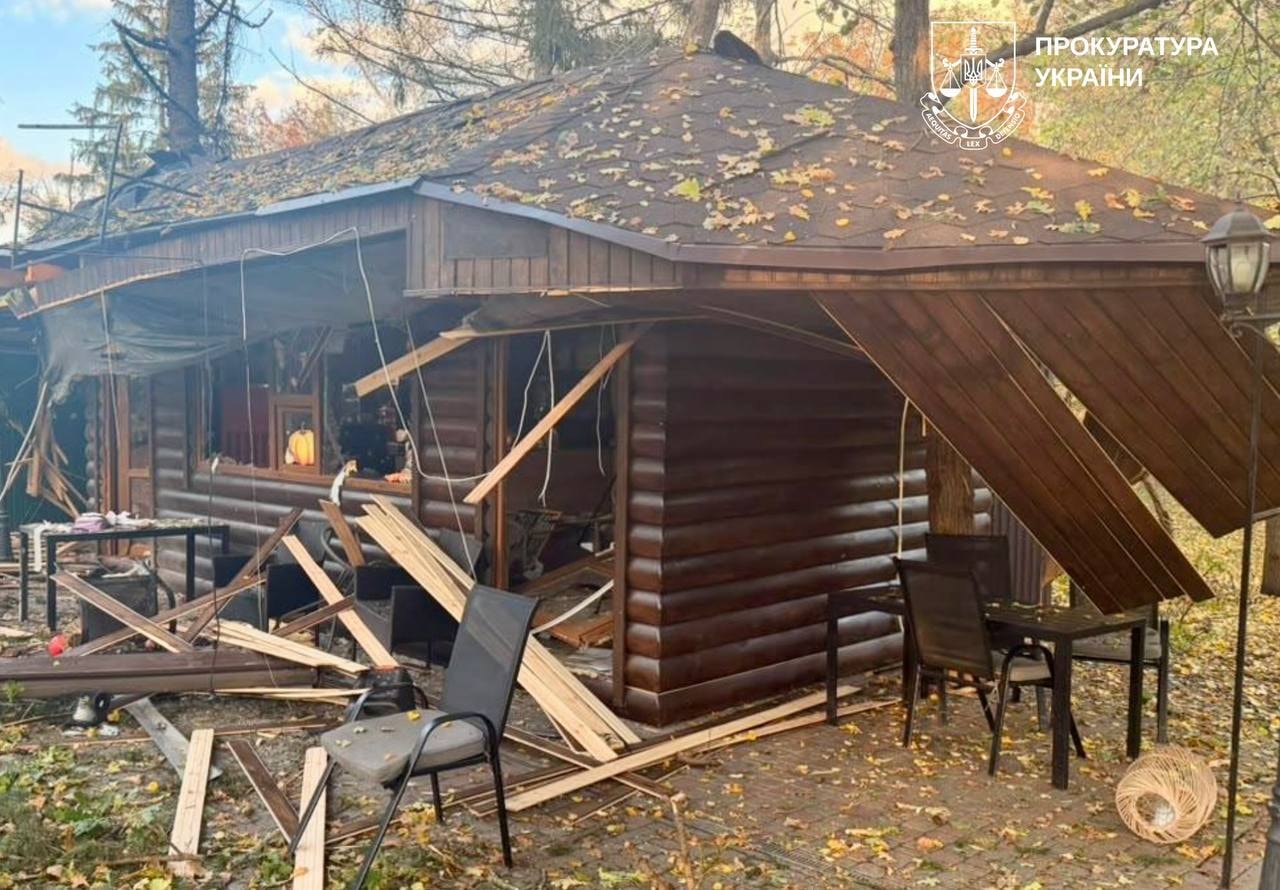
A 12-year-old boy injured in a Russian drone strike on a park in Nova Vodolaha, Kharkiv Oblast, on Oct. 19 has died in a Kyiv hospital, bringing the death toll to six, including three children, local authorities reported on Oct. 26.
Russian forces struck the town's central park at around 4:30 p.m. local time on Oct. 19, when families with children were spending time there.
Artem Koval suffered severe injuries in the drone strike and was taken to hospital. Despite a week of efforts to save him, doctors were unable to overcome his life-threatening injuries, the Vodolaha Village Council said.
Artem's 8-year-old sister, Arina, was killed at the scene of the attack on the park.
"In a single terrible moment, the parents lost everything most precious to them — both their son and their daughter — and their loved ones lost children who were so dear to their hearts," the statement read.
"Russia robbed these children of their future and their families of their reason for living by committing yet another bloody crime against the most innocent."
At least 15 people were injured in the attack, including seven children, according to Kharkiv Oblast Governor Oleh Syniehubov.
Ukraine strikes Russian plant producing missile, bomb batteries in Yelets, General Staff says
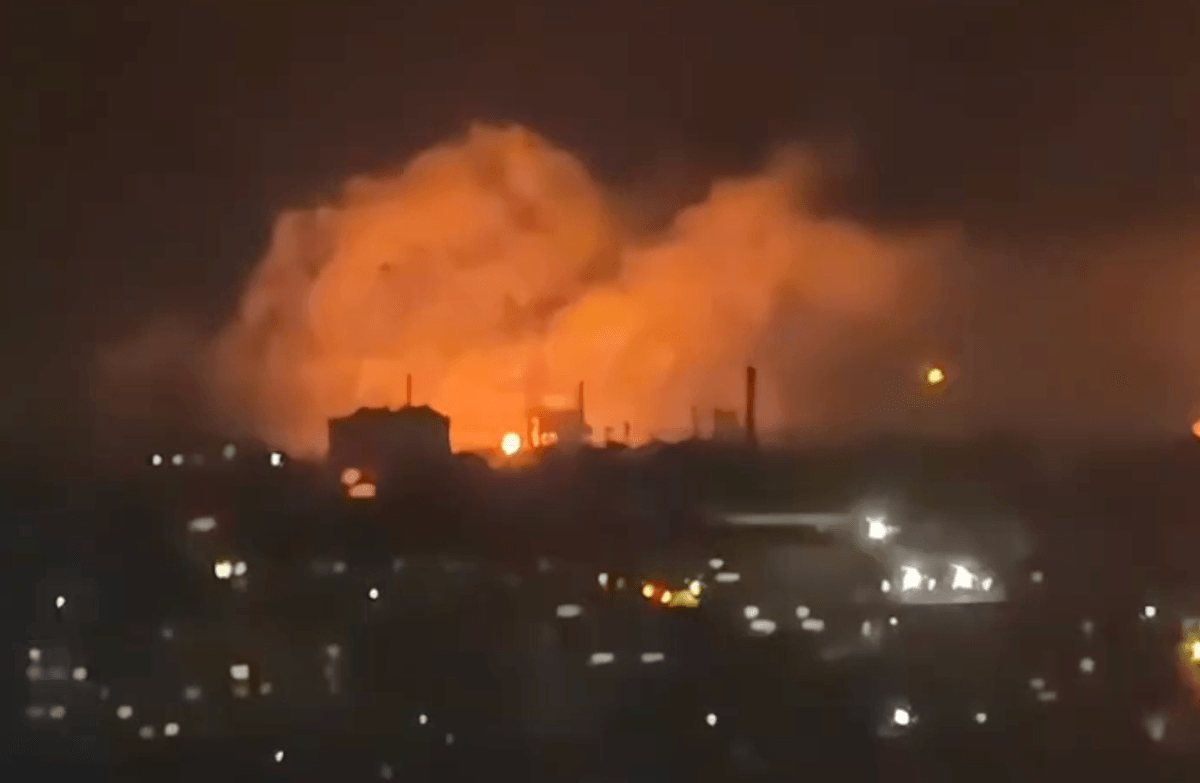
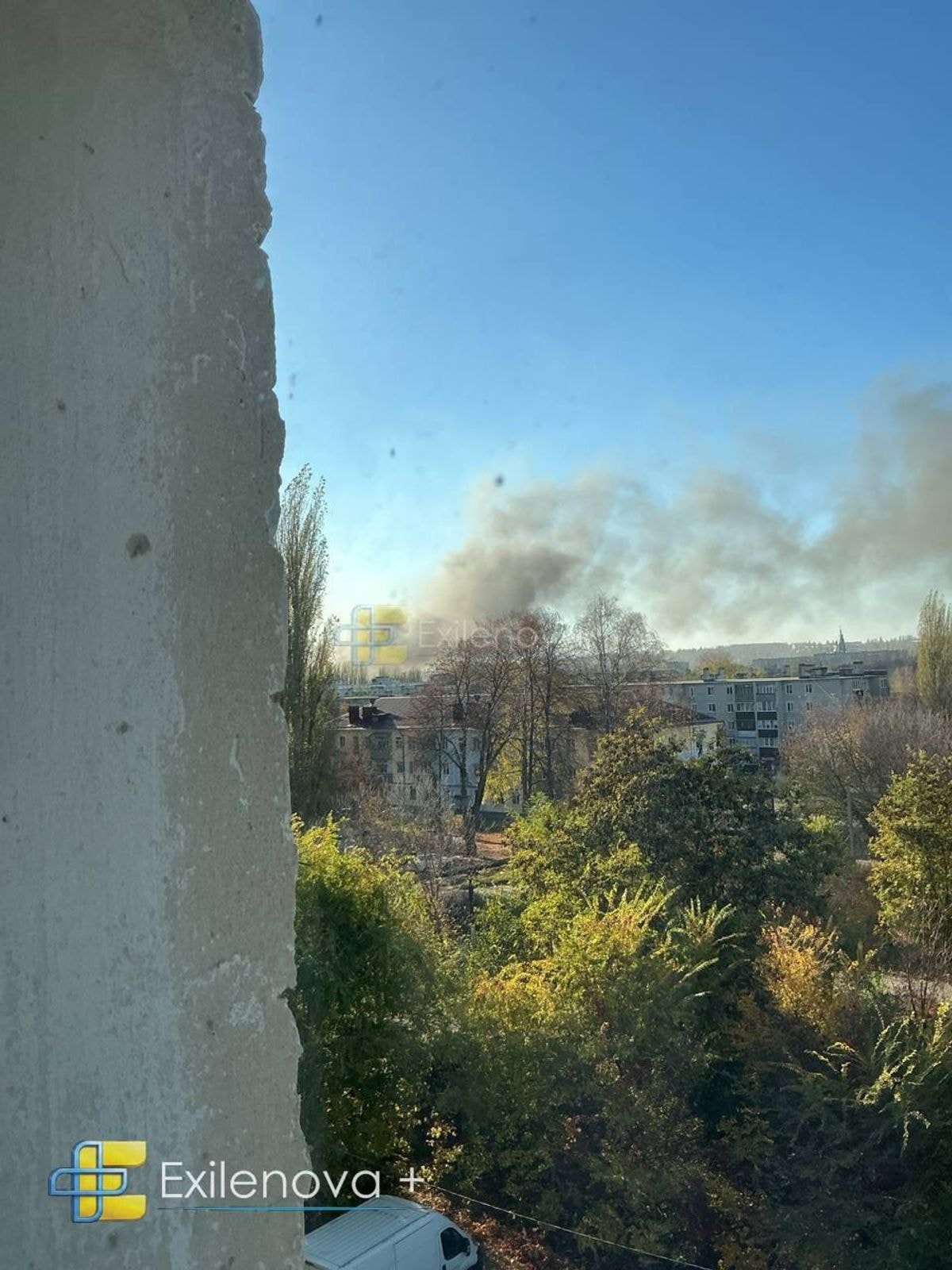
A fire broke out on the territory of the Energia plant following an overnight attack on the battery plant in the city of Yelets in western Russia overnight on Oct. 26, Ukraine's General Staff said later that day.
The plant is the sole Russian manufacturer of batteries for glide bomb guidance and correction modules, the General Staff said without specifying the extent of the damage.
It added that the plant, located about 250 kilometers (about 155 miles) from Ukraine, also produces batteries for Iskander-M ballistic missile systems and sea-based cruise missiles.
"The strike complicates the Russian Federation's military's production of power sources for missiles, guided bombs, and other weapons," the General Staff said in its Telegram post.
Earlier on Oct. 25, Ukrainian monitoring Telegram channel Exilenova Plus reported that smoke rose over the whole territory of the Energia plant after several missiles appeared to have hit it in the afternoon. The General Staff has not specified what weapons were used to strike the Energia plant in Russia.
read also
Exclusive: Russia significantly expands glide-bomb production, research shows
Russia is significantly expanding its glide-bomb production, indicating that Moscow has no plans to scale back its war against Ukraine, a new report by Kyiv-based think tank Center for Defense Reforms exclusively shared with the Kyiv Independent reveals.
"Given the role of guided aerial bombs in destroying defensive positions, isolating battlefields and facilitating ground advances, this provides a basis for sustaining high-intensity offensive operations over an extended period," the report concludes.
The report reveals that in 2025, the centralized procurement entity TRV-Engineering JSC obtained nearly 278,000 servo drives, used to control the flight surfaces of glide bombs — enough to manufacture 139,000 of the deadly munitions. The report identifies the key Russian supplier of servo drives, CED Sail LLC, which is currently not subject to any Western sanctions, and suggests this entity should be a "priority target" for sanctions designation.
"Russia is building the military-industrial capacity to continue waging wars even after the war in Ukraine ends. These are not the actions of a country preparing for lasting peace," Oleksandr Danylyuk, chairman of the Center for Defense Reforms and former chief adviser to Ukraine’s defense minister, told the Kyiv Independent.
The report also identifies a network of interconnected Russian companies which are responsible for importing key components and raw materials essential for the production of UMPK and UMPB glide bomb kits.
Russia converts older, unguided bombs into precision-guided weapons with these guidance kits, significantly increasing their range and accuracy. The increase in range allows Russian fighter-bomber aircraft to remain within Russian territory, out of range of Ukrainian air defenses, as they deploy their deadly payloads.
As with many other Russian munitions, both UMPK and UMPB glide bomb kits are heavily reliant on foreign components for their manufacture.
Ukrainian military intelligence has repeatedly identified a range of foreign components in Russian glide bombs, including parts from the U.S., Japan, China, Switzerland, and Taiwan, among others.
The report also reveals the majority of entities and individuals involved in the production of Russia's glide bombs are currently unsanctioned, despite the munitions being a key part of the Kremlin's offensive airborne arsenal.
Out of 20 corporate entities involved in the manufacture of Russian glide bombs, only eight are subject to some level of Western sanctions or export restrictions. The "uneven sanctions coverage," the report assesses, allows Russia to continue to "procure necessary components without significant restrictions."
Four Chinese companies are identified as being critical to the supply chain, with some, such as Shenzhen Fire Power Control Technology Limited, not hiding the explicitly military application of their products. Only one of the four Chinese companies is subject to U.S. export restrictions, and none are sanctioned by the U.K. or the EU.
"Despite its repeated declarations of readiness for peace, Russia continues to dramatically expand the production of offensive weapons, particularly guided aerial bombs," Danylyuk said.
Russian ministry recommends underground data centers following Ukrainian drone strikes
Russia's Digital Development Ministry has proposed building data centers underground, camouflaged from the air, and fitted with drone defenses, Russian state-controlled media Kommersant said on Oct. 25, following several Ukrainian drone attacks on data centers.
Guidelines for existing, planned, and under-construction facilities outline the protection standards for three tiers of data centers, including whether sites are placed above ground or underground, according to Kommersant.
The top tier includes strategic sites whose loss could disrupt key state functions for an hour or more; the second tier includes sites supporting regionally or economically important systems, where outages could last four hours or more; and the final tier covers corporate data centers whose damage would not have wider consequences for the state, Kommersant said.
Existing data centers should be protected by reducing their visibility from the air and by deploying layered defenses, including reinforced structures, electronic warfare measures, and drone defense systems.