Ukraine war latest: Three Russian ships, MiG-31 aircraft damaged in major overnight strikes on Crimea
 on Google
Key developments on April 25-26:
- Three Russian ships, MiG-31 aircraft damaged in major overnight strikes on Crimea, SBU reports
- Ukrainian drones strike Russia's Yaroslavl oil refinery, General Staff says amid latest mass attack inside Russia
- US intercepts Iranian 'shadow fleet' vessel Sevan in Arabian Sea, US Central Command says
- Germany believes Russia responsible for global cyber campaign on Signal, WhatsApp, media reports
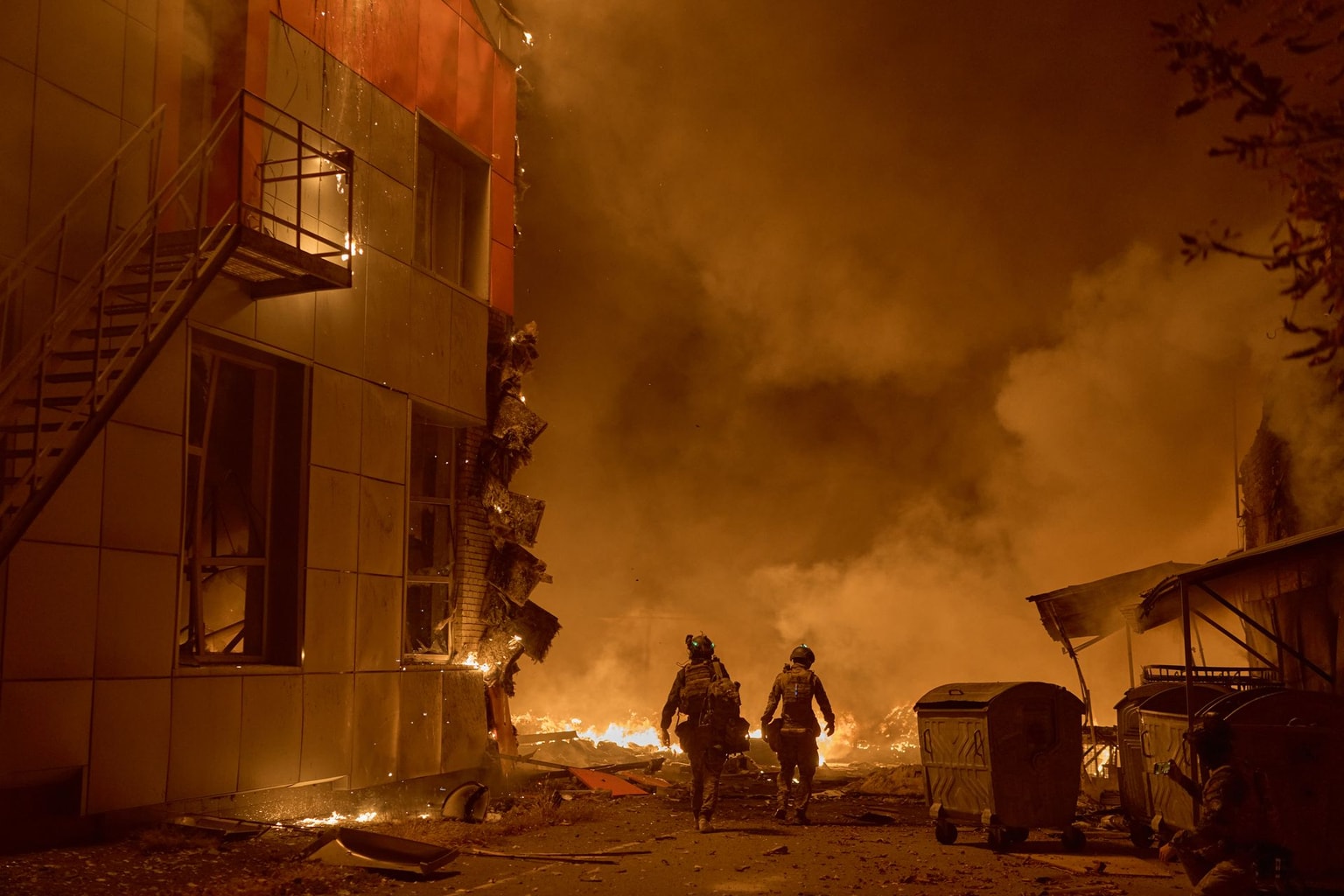
Ukrainian forces struck three Russian ships, a fighter jet, and other targets in Russian-occupied Crimea overnight on April 26, the Security Service of Ukraine (SBU) reported.
In an operation led by the SBU's Alpha special forces unit, long-range drones hit the Russian Black Sea Fleet's naval base in occupied Sevastopol and the Belbek military airfield, the agency said in a statement.
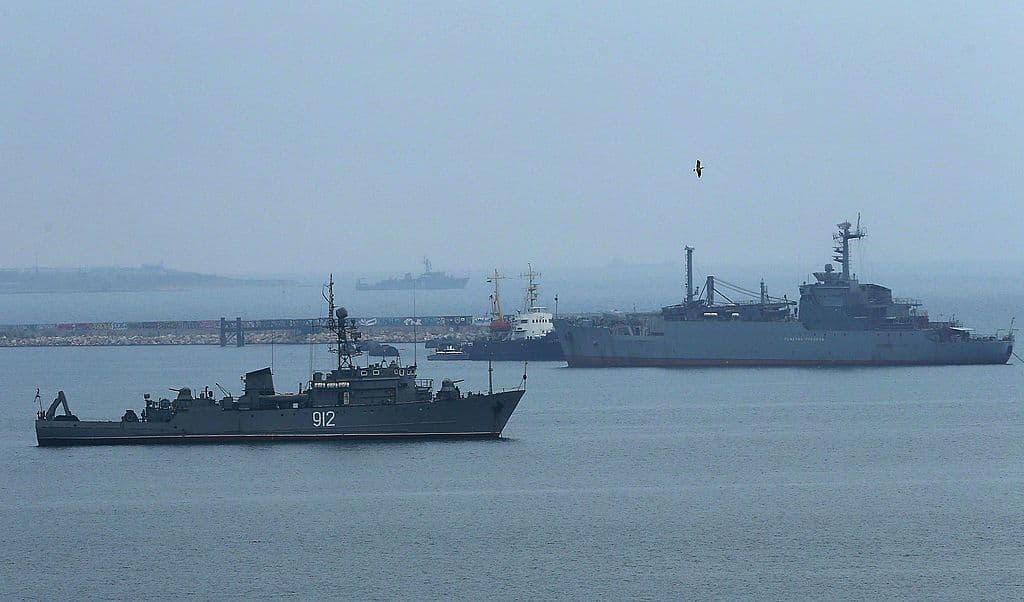
Targets reportedly damaged included the Russian Navy's large landing ships Yamal and Filchenkov, the reconnaissance ship Ivan Khurs, the Black Sea Fleet's Lukomka training center, the headquarters of Russia's air defense radio-technical reconnaissance unit, and the MR-10M1 "Mys-M1" radar station.
At the Belbek military airfield, a MiG-31 aircraft and the technical and operational unit of the airfield were struck, the SBU said.
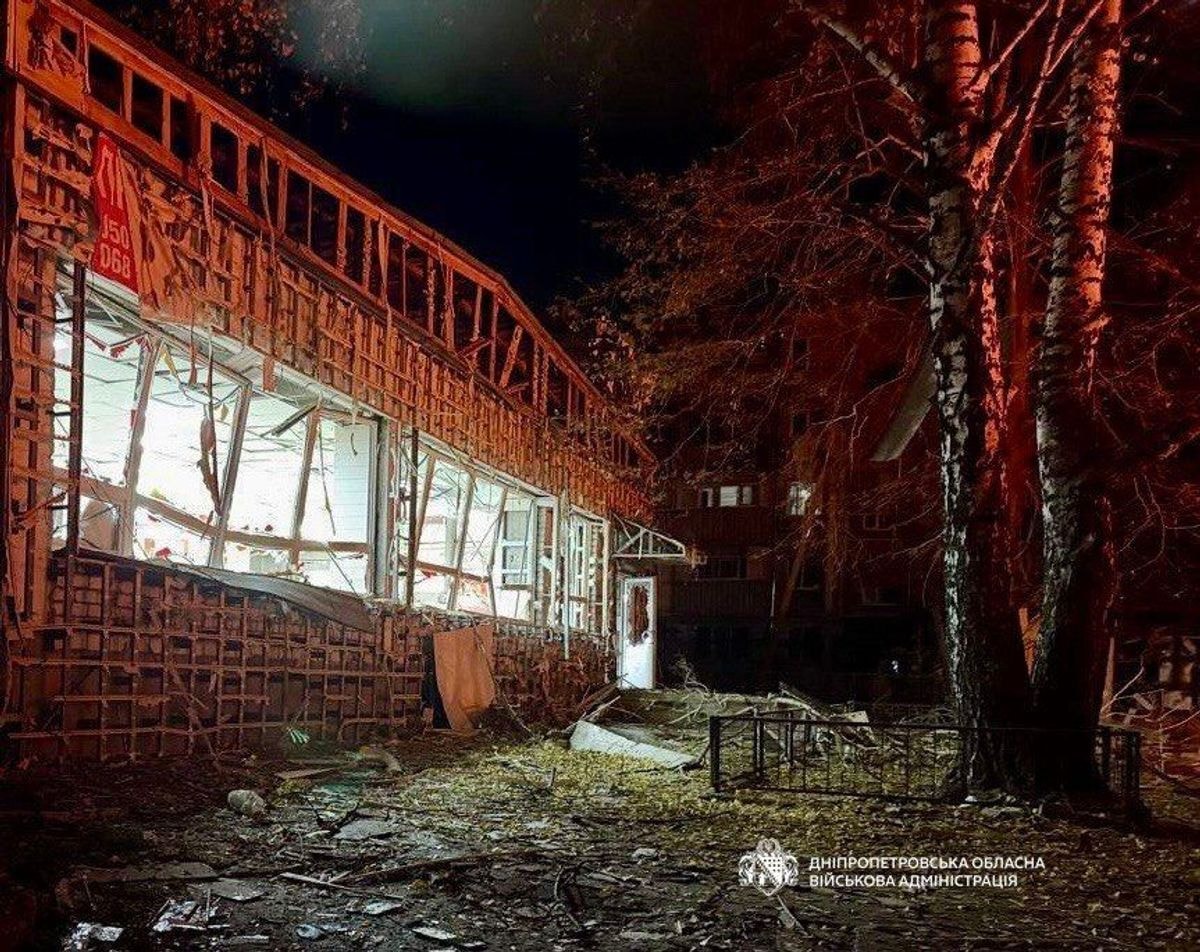
The Russian-installed head of Sevastopol, Mikhail Razvozhayev, said on Telegram late April 25 that Russian forces were repelling a Ukrainian attack, with air defense systems and mobile fire teams engaged.
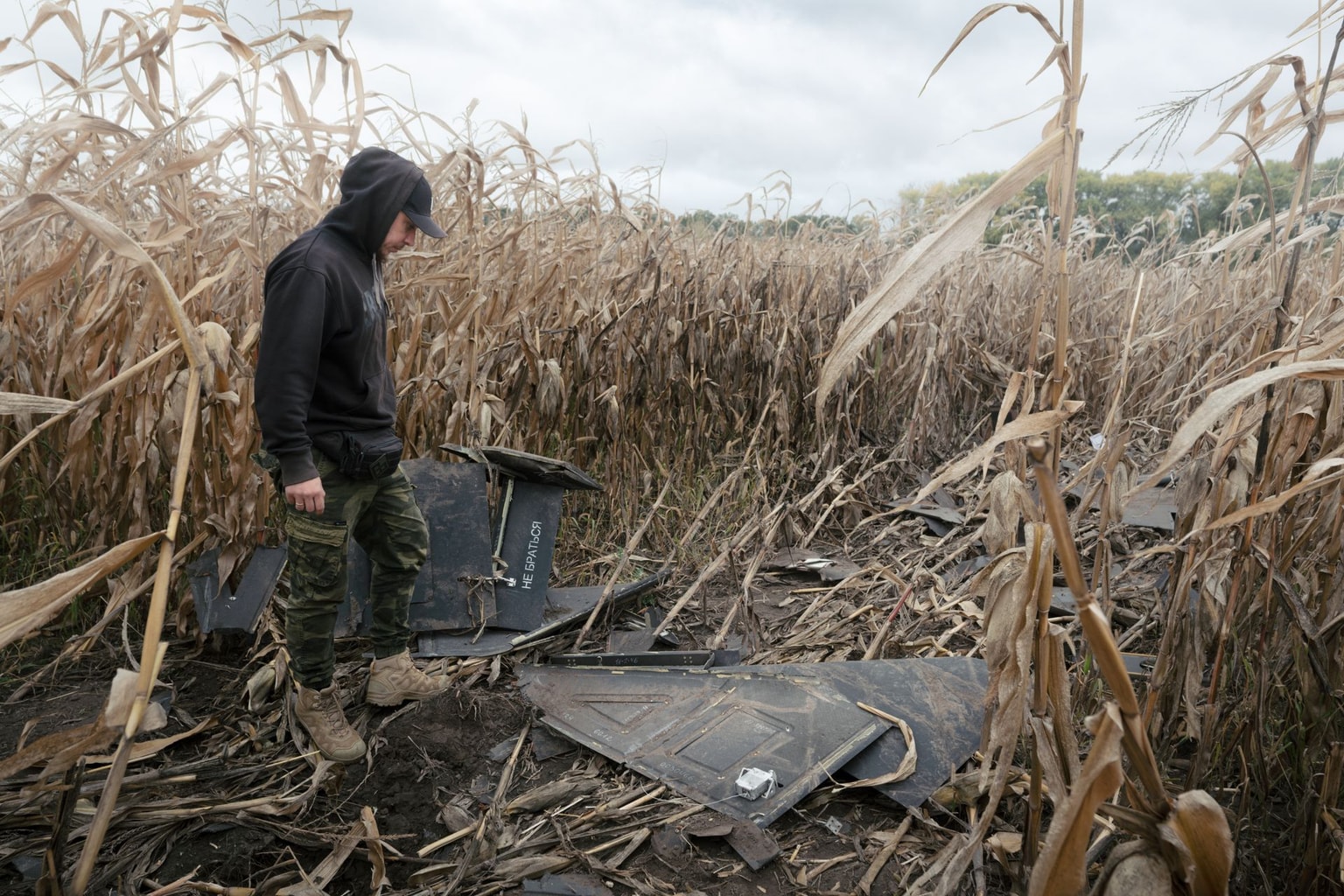
Razvozhayev said air defenses shot down 71 Ukrainian drones. He said one civilian was killed and four others were injured.
He added that 17 homes were damaged in different parts of the city, along with civilian vehicles, shops and a railway contact line.
"Overnight, our city came under a massive attack by enemy (Ukrainian) drones," Razvozhayev said.
The acting head of the SBU, Yevhen Khmara, said the operation aimed to degrade Russia's military infrastructure.
"Every such operation follows a clear logic: We are methodically destroying key elements of the enemy's military infrastructure — the fleet, aviation, reconnaissance and air defense," Khmara said.
He said the strikes reduce Russia's ability to control airspace, protect its forces, and plan attacks.
Ukraine has repeatedly targeted military infrastructure deep inside Russia and in occupied territories in an effort to weaken Moscow's war-fighting capacity.
read also
Ukrainian drones strike Russia's Yaroslavl oil refinery, General Staff says amid latest mass attack inside Russia
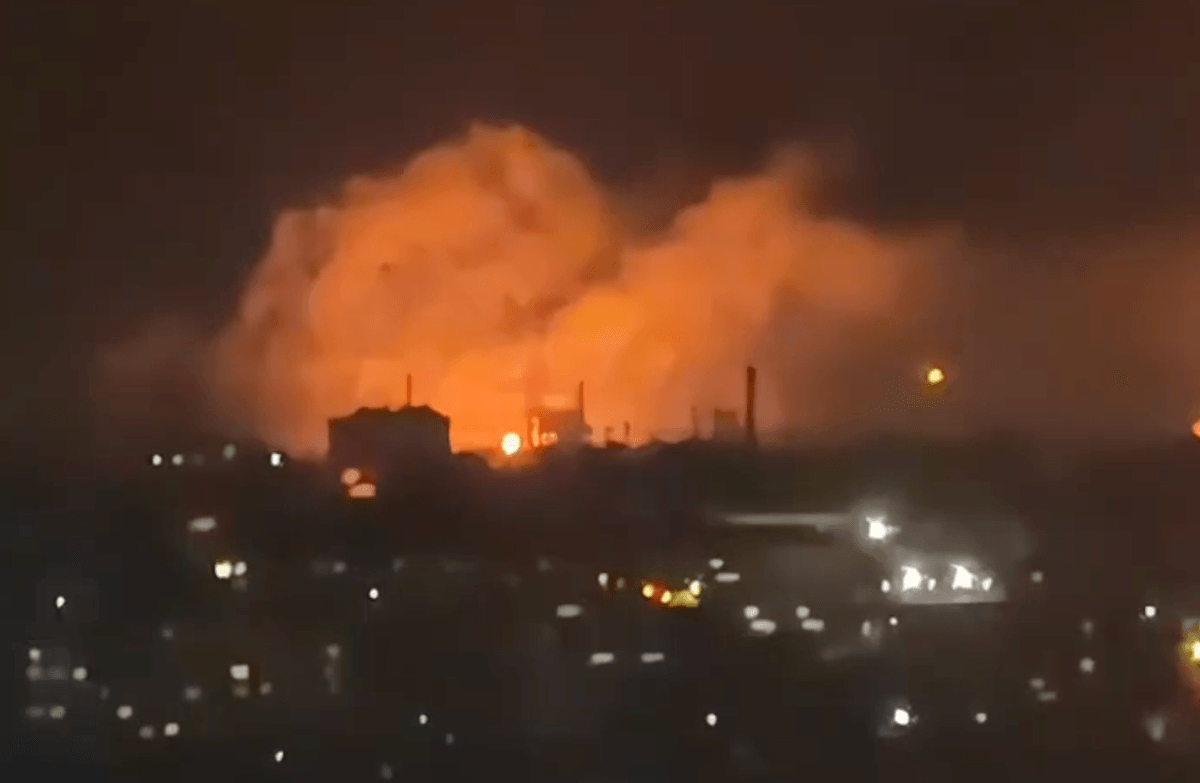
An oil refinery in the Russian city of Yaroslavl and several targets inside Russian-occupied territories were struck by Ukrainian drones overnight on April 26, Ukraine's General Staff said.
The refinery was hit, resulting in a fire on the premises, the General Staff said, adding that the extent of the damage was still being assessed.
"The Yaroslavl oil refinery is a strategically important enterprise and one of the key facilities in the Russian oil refining industry," the General Staff said.
The facility operates with a refining capacity is around 15 million tons of crude oil per year, the post added.
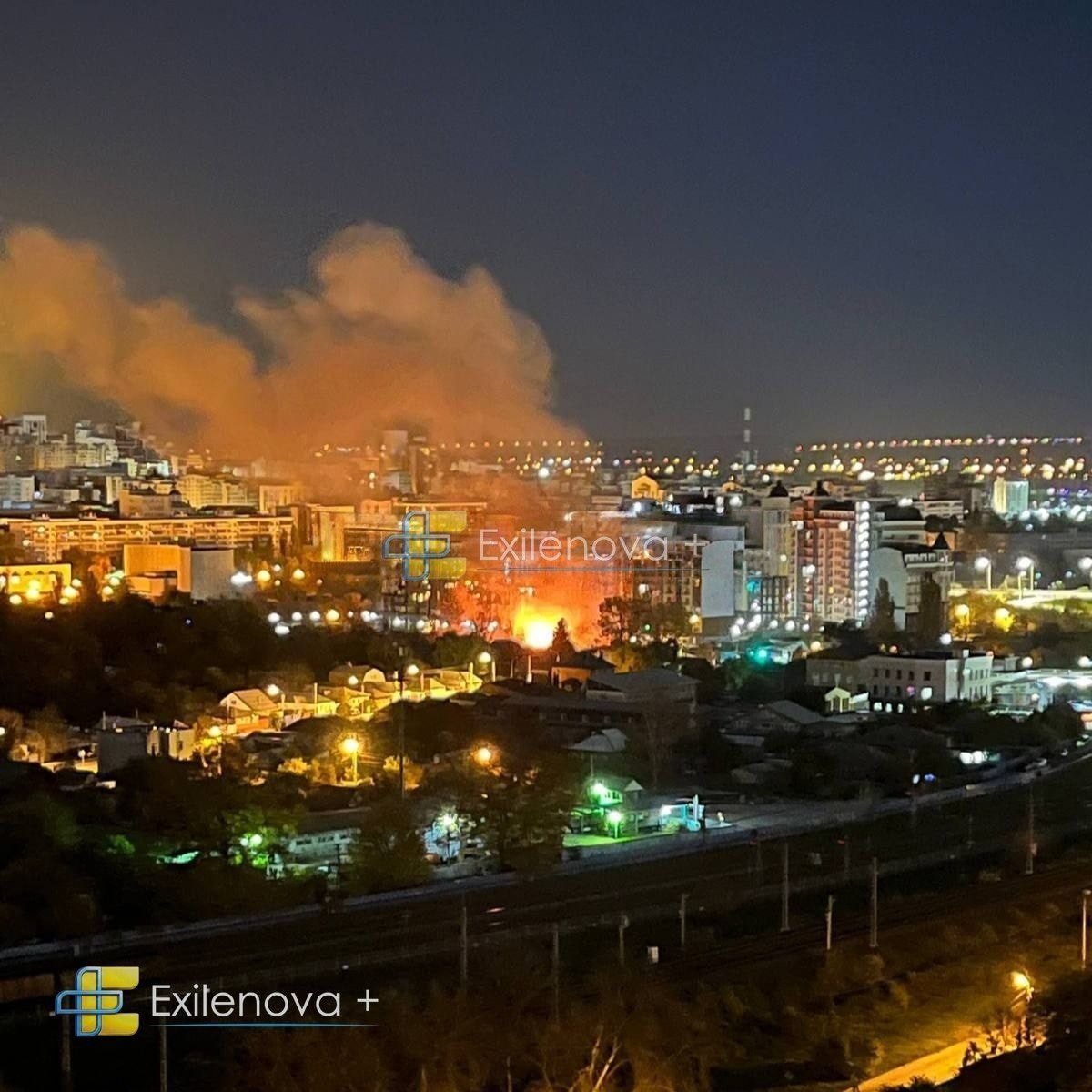
A drone attack threat was declared in Yaroslavl Oblast earlier in the night, regional authorities said, as independent Telegram news channel Exilenova Plus reported strikes on an oil refinery in Yaroslavl.
Mikhail Yevrayev, Yaroslavl Oblast Governor, said on Telegram that Russia's air defense and electronic warfare forces repelled a massive attack by Ukrainian drones. He said there were no casualties in the Yaroslavl Oblast.
Another major Ukrainian attack was reported in Vologda Oblast, north of Moscow, where one of Europe's largest chemical plants was hit.
Ukrainian drones struck the Cherepovets branch of the Apatit company, which manufactures phosphate-based fertilizers, said Vologda Oblast governor Georgy Filimonov.
Five people were injured with acid burns in the attack, one seriously, said Filimonov, after a high-pressure pipeline was burst. Russian state-run media outlet RIA Novosti later added that overall 10 people were injured.
Cherepovets is around 800 kilometers from the Ukrainian border, making the attack the latest testament to Ukraine's ability to strike targets deep inside Russian territory.
In total, Russia's Defense Ministry claimed 203 drones were intercepted across multiple regions, including areas near Moscow, occupied Crimea, and the Black Sea.
Russian officials and local reports also described strikes or attempted attacks in occupied Crimea and several western Russian regions, including Belgorod and Tambov. Authorities reported damage to residential buildings and infrastructure, as well as casualties in Belgorod Oblast.
The claims could not be independently verified.
Ukraine considers energy facilities legitimate military targets, as they supply fuel and revenue for Russia's war effort.
read also
US intercepts Iranian 'shadow fleet' vessel Sevan in Arabian Sea, US Central Command says
The United States intercepted an Iranian merchant vessel in the Arabian Sea, U.S. Central Command reported late April 25.
According to the report, a U.S. Navy helicopter intercepted Sevan with the help of guided-missile destroyer USS Pinckney (DDG 91). It added that the vessel was complying with U.S. military orders to turn back toward Iran under escort.
The U.S. Treasury Department sanctioned Sevan on April 24, along with 18 other vessels, for transporting Iranian oil and gas products to foreign markets.
"The Iranian shadow fleet serves as the critical link between Iranian oil producers and end users in Asia," the Treasury Department said.
M/V Sevan is Panama-flagged and owned by Anka Energy and Logistics Company, a Marshall Islands-based company. It transported approximately 750,000 barrels of Iranian propane and butane to Bangladesh between August and November 2025, according to the Treasury Department.
U.S. forces continue enforcing sanctions and the blockade on ships entering or leaving Iranian ports. Since the start of the blockade, 37 vessels have been redirected, the Department of the Treasury reported.
The United States announced a naval blockade of Iran on April 13 after talks in Islamabad failed to produce a ceasefire.
The developments come as traffic through the Strait of Hormuz — a critical route for global oil and gas shipments — has declined sharply since U.S.-Israeli strikes on Iran began Feb. 28, with Tehran targeting tankers and regional energy infrastructure in response.
About 20% of the world's oil and liquefied natural gas passes through the strait each day, fueling concerns about prolonged disruption to global energy markets.
Brent crude oil, a widely used global benchmark, rose to a peak of nearly $120 a barrel in March, prices last seen in 2022 after Russia's full-scale invasion of Ukraine.
Germany believes Russia responsible for global cyber campaign on Signal, WhatsApp, media reports
Berlin considers Russia responsible for a large-scale phishing campaign on the Signal messaging service that targeted high-ranking German officials, including Bundestag President Julia Klockner, Der Spiegel reported on April 25, citing undisclosed German government sources.
The German newspaper reported that Berlin believes that "this attack presumably originated in Russia."
Der Spiegel's report comes more than a month after the Dutch intelligence said Russian hackers launched a global cyber campaign targeting WhatsApp and Signal accounts.
The attackers reportedly used phishing tactics to persuade users in chats to disclose security verification codes and passcodes, allowing them to access personal accounts and group chats.
Signal acknowledged the reports in a social media post, saying it was aware of targeted phishing attacks that have led to some account takeovers.
"Russian state hackers are engaged in a large-scale global cyber campaign to gain access to Signal and WhatsApp accounts belonging to dignitaries, military personnel, and civil servants," the Netherlands' General Intelligence and Security Service (AIVD) said in a March 9 statement.
The U.S. Federal Bureau of Investigation (FBI)'s Director, Kash Patel, also said in March that the bureau has identified Russian intelligence-linked cyber actors targeting messaging services, including Signal.
Russian-linked hacking groups have conducted cyber operations for decades, often focusing on financially motivated attacks such as ransomware.
Since Russia's full-scale invasion of Ukraine, however, the country's cyber activities have increasingly shifted toward more disruptive and destructive operations targeting Ukraine's Western allies.
Cyberattacks have become a central element of Russia's hybrid warfare strategy. European governments have repeatedly accused Moscow of escalating cyber operations, including attacks on Ukrainian systems, breaches of civilian infrastructure in Europe, and attempts to interfere in foreign elections.
Moscow has denied cyberattack allegations throughout the years, dismissing them as anti-Russian propaganda.
While Berlin has not disclosed the number or all the identities of the victims, at least 300 Signal accounts belonging to individuals in the political sphere were affected by the phishing campaign, Der Spiegel reported.
The investigations, Der Spiegel reported, have shown that the cyber attackers likely accessed chat histories, files sent via the messaging services, and phone numbers.
Citing government sources, Der Spiegel also said that those whose accounts were affected had been informed by the Federal Officers for the Protection of the Constitution and for Information Security, and that the affected devices have been checked to halt data leakage.
Meanwhile, Russian authorities attempted to fully block the Meta-owned WhatsApp messaging app as part of a broader strategy to tighten digital control, the social media platform said in February.