News Feed

Ukrainian drones mark 22% increase in Russian target destruction in February, Syrskyi says

2 min read
Ukrainian drones mark 22% increase in Russian target destruction in February, Syrskyi says
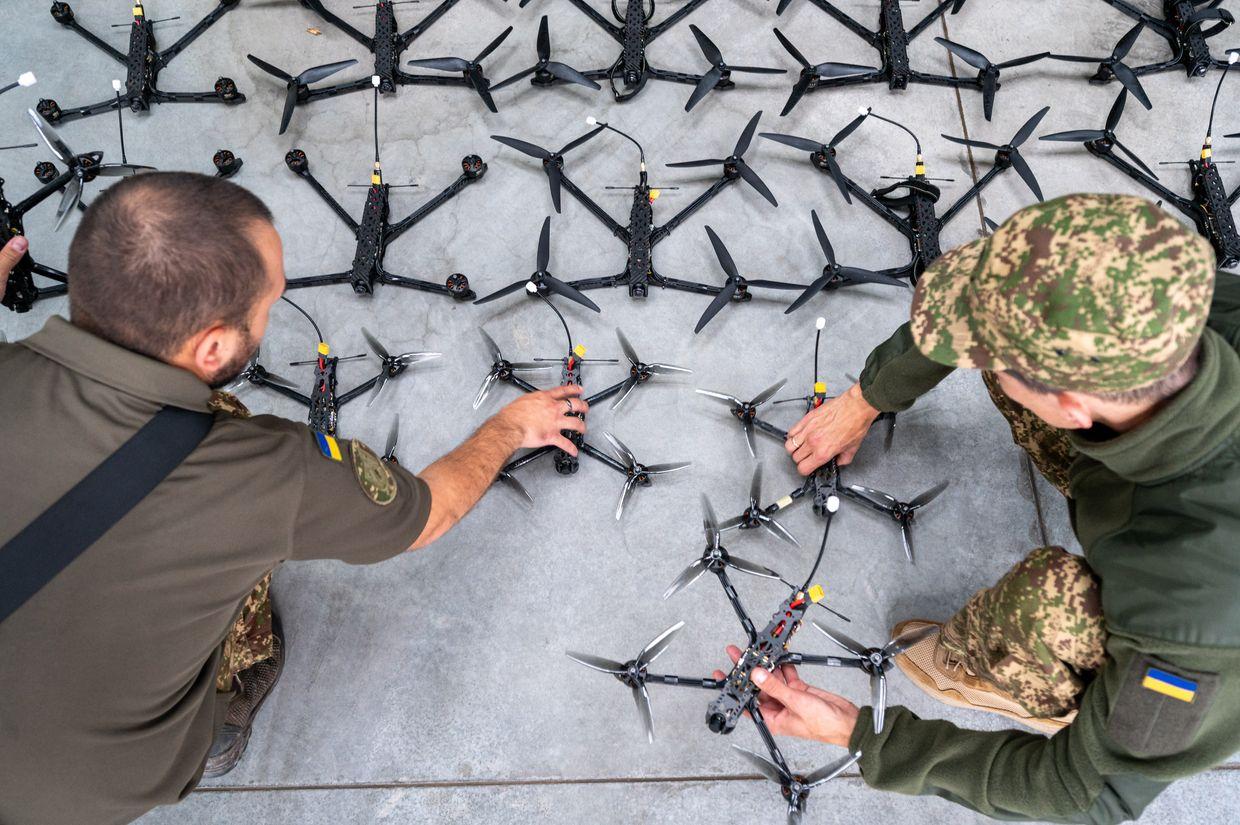
Soldiers of the Armed Forces inspect FPV drones during the handover from the volunteer organization in Lviv, Ukraine, on Sep. 13, 2024. (Stanislav Ivanov / Getty Images)

The number of Russian targets destroyed by Ukrainian drones increased by 22% in February compared to January, Commander-in-Chief Oleksandr Syrskyi reported on March 10, underscoring the importance of unmanned systems on the battlefield.

The commander noted that first-person-view (FPV) drones and multi-rotor bombers remain the most effective tools.

"Unmanned systems have become one of the most important elements of warfare that save the lives of our soldiers," Syrskyi said after a monthly meeting on drone development. He stressed the need to introduce a unified standard for unmanned systems in Ukraine’s Armed Forces to improve coordination between units.

Syrskyi also warned that Russia is rapidly adapting to Ukraine’s drone warfare strategies and developing its own technologies, including fiber-optic-controlled drones.

"We have no right to lag behind... (Russia) in the technological war and must strengthen ourselves at the expense of our own resources," he added.

Kyiv has significantly expanded domestic drone production over the past year, integrating drones into reconnaissance and combat operations. On Feb. 9, the Defense Ministry launched the "Drone Line" initiative to accelerate their deployment on the battlefield.

Ukraine has also developed long-range missile-drone hybrids, such as the Palianytsia and Peklo models, featuring turbojet engines as alternatives to cruise missiles. President Volodymyr Zelensky has set a target of producing at least 30,000 long-range drones in 2025.


Avatar
Tim Zadorozhnyy

Reporter

Tim Zadorozhnyy is the reporter for the Kyiv Independent, specializing in foreign policy, U.S.-Ukraine relations, and political developments across Europe and Russia. He studied International Relations and European Studies at Lazarski University and Coventry University and is now based in Warsaw. Tim began his journalism career in Odesa in 2022, working as a reporter at a local television channel. After relocating to Warsaw, he spent a year and a half with the Belarusian independent media outlet NEXTA, initially as a news anchor and later as managing editor. Tim is fluent in English, Ukrainian, and Russian.

Read more
News Feed

"This collaboration serves as a testament to our country's commitment to the defense of democratic values, to freedom, and to a just and lasting peace," Spanish Defense Minister Margarita Robles said during a visit to Kyiv.

At a press conference in Kyiv on April 22, Ukraine’s Deposit Guarantee Fund and Polish fintech Zen.com, registered in Lithuania, said the company had acquired First Investment Bank, known as PINbank, which was transferred to the state in 2023 and later declared insolvent.

Vladimir Plahotniuc was Moldova's wealthiest businessman and de facto controlled the country's government in the 2010s in what critics described as a "captured state." His fall from grace is seen by his opponents as part of Moldova's alignment with European liberal and democratic values.

Video

The Kyiv Independent’s Kateryna Denisova sits down with Dmytro Kuleba, Ukraine's former foreign minister, to discuss U.S.-led peace talks, Donald Trump’s approach to Ukraine, Europe’s role in ending the war, and why he believes neither Washington nor Moscow can impose a settlement on Kyiv.

Show More