0of 5,000

Help us find 5,000 new members. Bring one friend.

Share your personal link and make us stronger in 2027.

0 found so far

Goal 5,000

Author
William Dixon photo

William Dixon

William Dixon is a senior associate fellow at the Royal United Services Institute (RUSI), the world’s oldest security and defense think tank, as well as an associate fellow of GLOBSEC. He served as a senior executive at the World Economic Forum and as Global Head of Intelligence at Barclays. He began his career within the U.K.’s intelligence community at GCHQ.

Articles

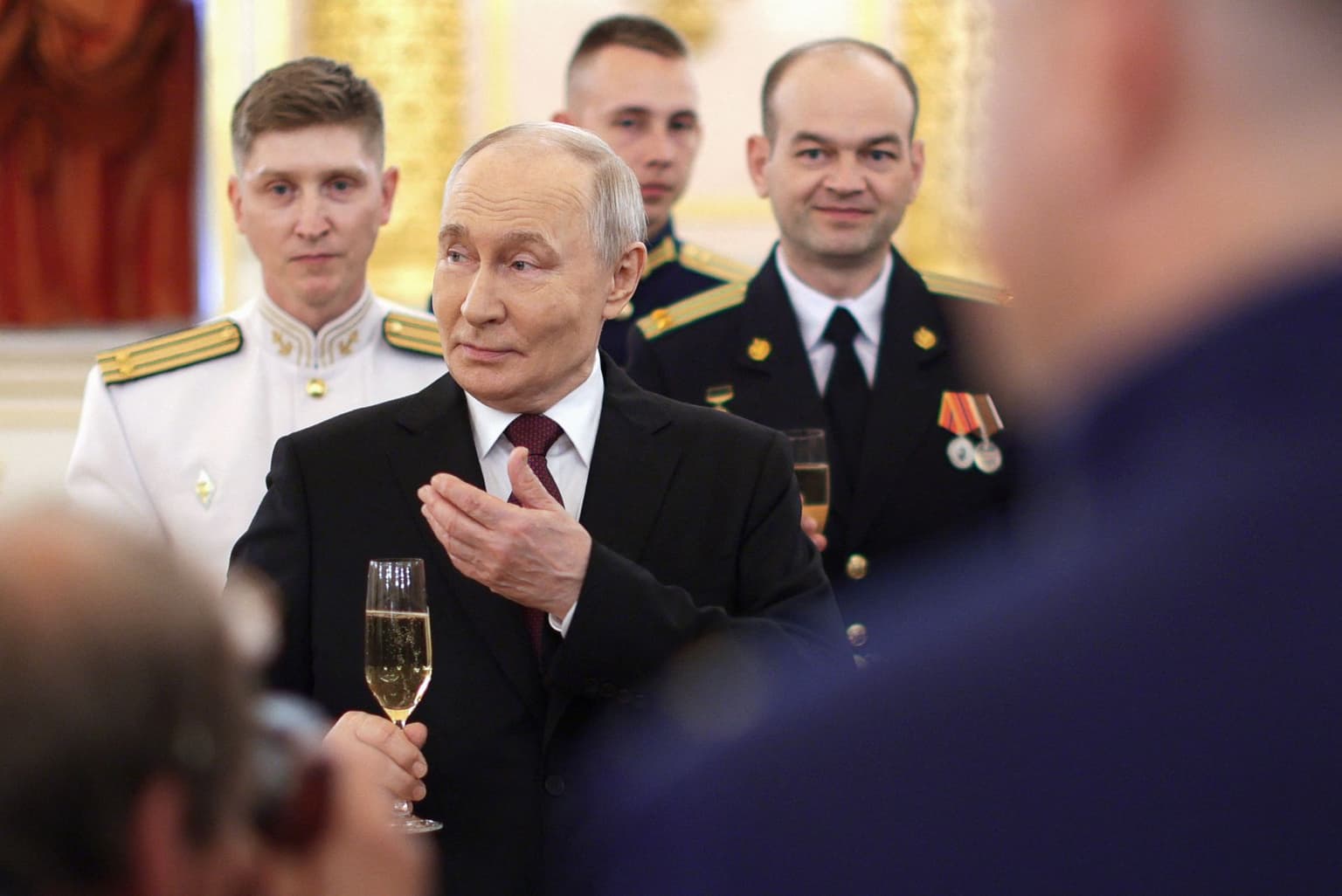
Putin meets military academy graduates in Moscow, Russia, on June 23, 2026.

The current approach to peace talks won't end Russia's war in 2027

On paper, last week looked like diplomatic progress. U.S.-mediated talks in Abu Dhabi yielded an agreement in principle for a 1,000-for-1,000 prisoner exchange. Washington's envoys left, claiming momentum, and European leaders gathered in Dublin to assemble a joint negotiating team so Europe could finally take its seat at the next round. In reality, Kyiv and its allies are walking once again into a carefully laid Kremlin trap. For Moscow, participating in negotiations while refusing to budge
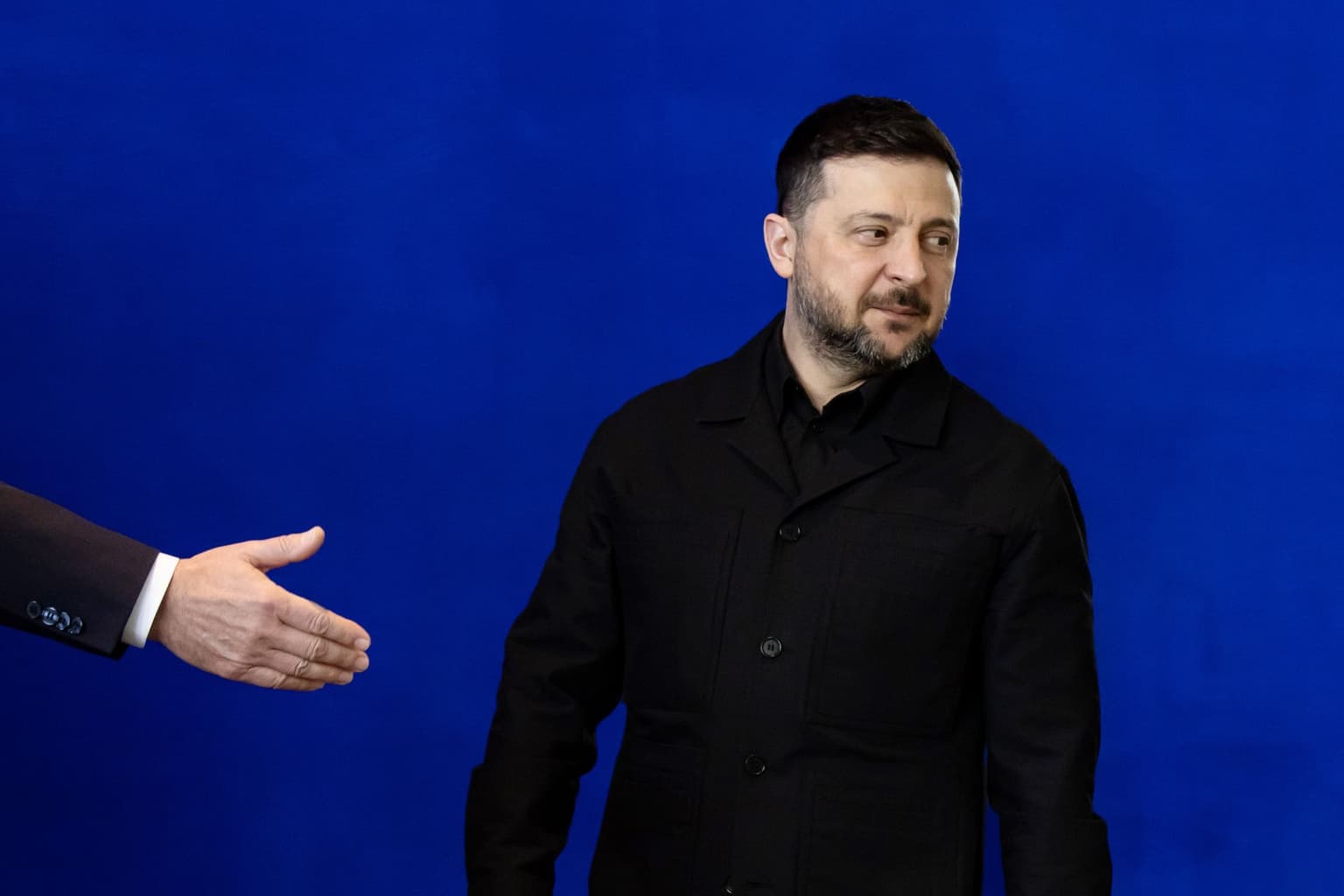
President Volodymyr Zelensky arrives for a press conference at the Chancellery in Berlin, Germany, on April 14, 2026.

Ukraine should not reject associate EU membership

Volodymyr Zelensky made a rare misstep when German Chancellor Friedrich Merz proposed associate EU membership for Ukraine, offering institutional access, participation in Council meetings, gradual budget integration, and critically, Article 42(7) security guarantees. Zelensky rejected it, insisting Ukraine deserves full and equal membership. In principle, most Europeans would agree. On politics, however, we can argue. Ukraine's EU candidacy is not the problem Europe is currently trying to solv