Russia suspected of expanding its 'ghost fleet' to LNG exports, FT reports
 on Google

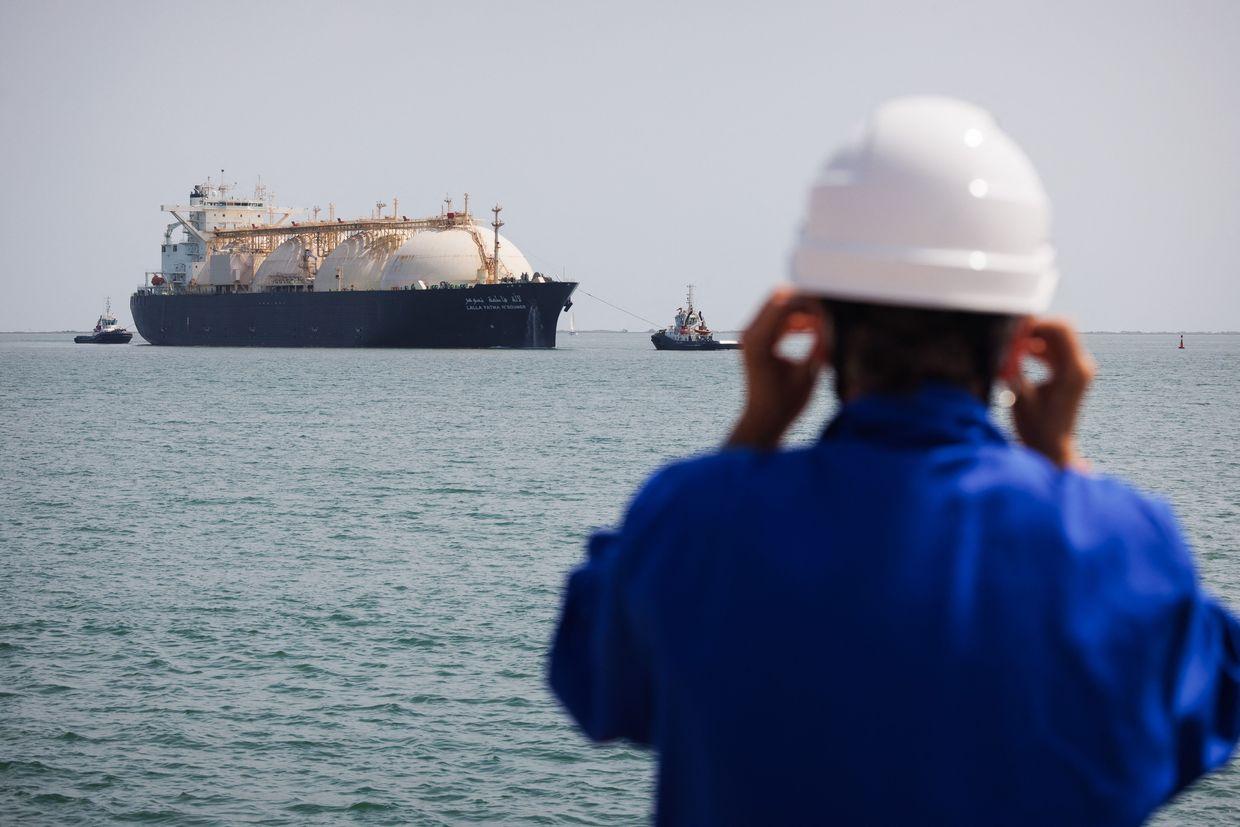
Mysterious buyers suspected of links to Russia are purchasing dozens of vessels capable of carrying liquified natural gas (LNG), possibly signaling an expansion of Moscow's "ghost fleet" of tankers, the Financial Times (FT) reported on July 22.
Russia has amassed a "ghost fleet" of largely uninsured oil tankers to avoid Western sanctions, namely the $60 per barrel price cap imposed by the Group of Seven (G7) late in 2022.
While the LNG exports have been less heavily sanctioned than oil, recent restrictions have begun tightening the noose around this sector as well.
The EU recently slapped historic sanctions against the Russian gas industry in June, applying a ban on LNG transshipment for the first time.
According to FT, a group of mysterious companies, mostly registered in the United Arab Emirates (UAE), have been rapidly buying out LNG vessels over the past year. The methods resemble those used to build up Russia's shadow fleet of oil tankers, the outlet noted.
More than 50 such ships have changed ownership to UAE-based firms since the second quarter of 2023, FT says, citing risk consultancy company Windward.
Despite Brussels' target to be free of Russian fossil fuels by 2027, several EU members remain heavily reliant on Russian gas, and imports of LNG from Russia reached record highs last year.
Russia even reportedly overtook the U.S. as the lead LNG supplier to Europe in May for the first time in two years.
Seeking to curb Russia's gas export profits that the country funnels to its war effort in Ukraine, the EU banned unloading Russian LNG to smaller vessels at European ports.
In mid-April, the European Parliament also voted to pass rules allowing member states to ban imports of Russian LNG.
Some countries, such as the U.K., Latvia, and Lithuania, have already stopped buying LNG from Russia unilaterally, while Finland announced in January that it plans to ban Russian LNG from 2025.