Russia shares dubious 'evidence' of Ukrainian drone attack 3 days after claiming Kyiv tried to assassinate Putin
 on Google
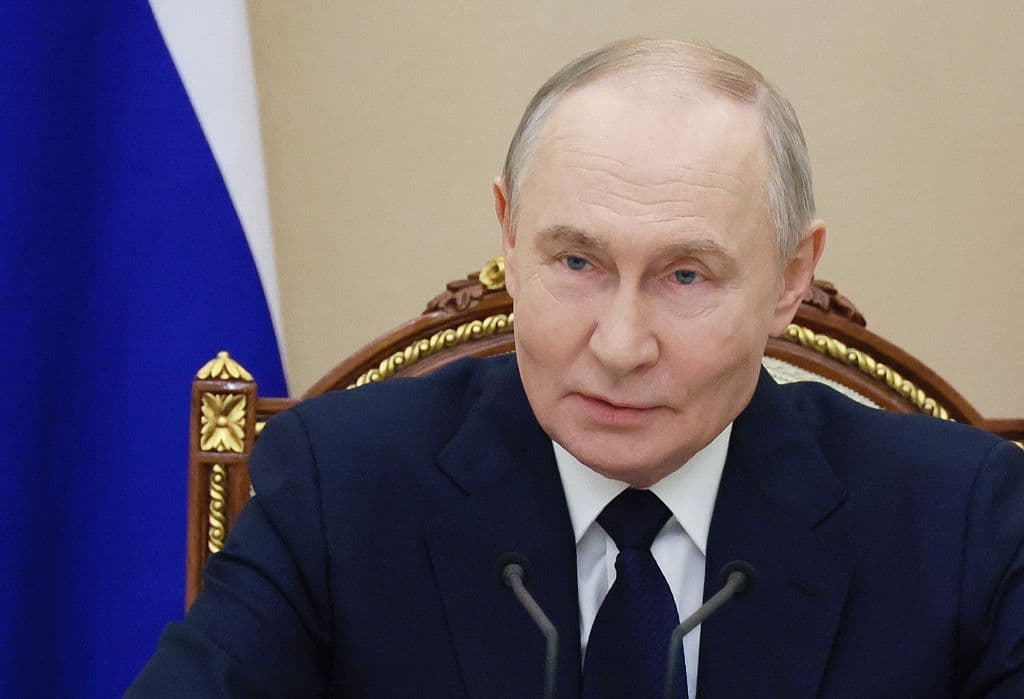
The Russian Defense Ministry on Dec. 31 published a map and video footage purporting to back up claims that a Ukrainian drone attack targeted Russian President Vladimir Putin's residence — claims first made three days ago.
Ukraine's Foreign Ministry spokesperson Heorhii Tykhyi, speaking to Reuters, called the footage "laughable" and said Kyiv remains "absolutely confident that no such attack took place."
Russia claimed on Dec. 29 that Ukraine had attempted to strike Putin's residence in Valdai, Novgorod Oblast with 91 drones. The allegation coincided with high-stakes peace talks in Florida between President Volodymyr Zelensky and U.S. President Donald Trump. At the time, Russian authorities provided no proof to support their claim.
The Russian Defense Ministry then on Dec. 31 published a map showing the alleged trajectory of Ukrainian drones, which it claimed were all intercepted by air defense forces. The ministry also released video footage of a downed drone, which it claimed was one of the UAVs targeting Putin's residence.
The ministry did not say how it knew what the drone was targeting. The claims in the footage could not be verified.

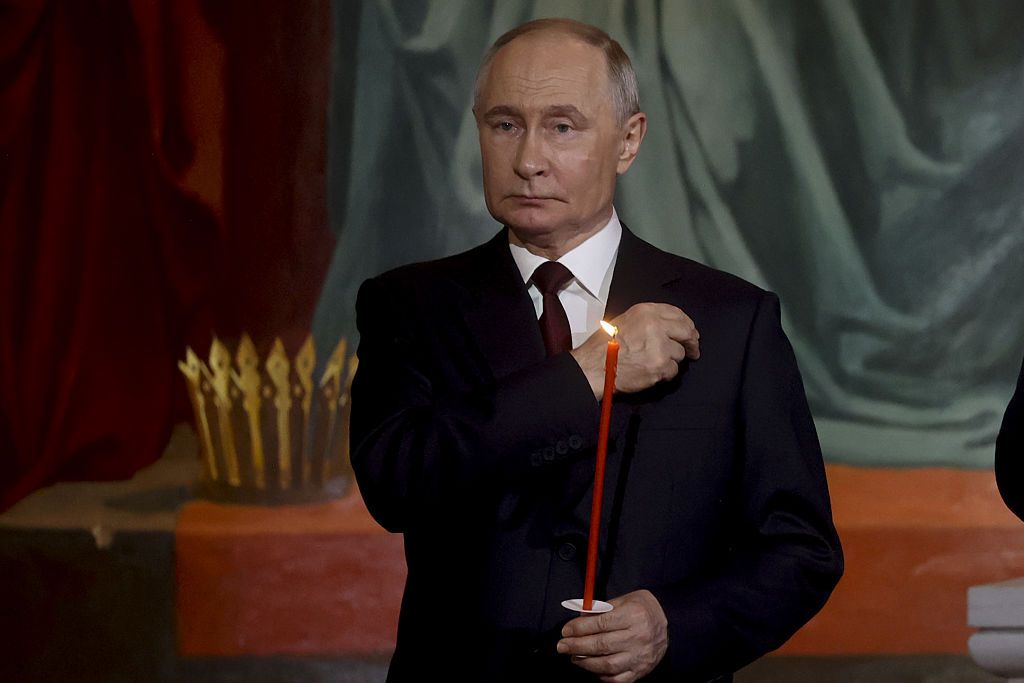
Ukraine's foreign intelligence service (SZRU) warned after Russia's initial claims that Moscow was waging "an information operation" aimed at disrupting ongoing peace negotiations between Kyiv and Washington.
When Russian Foreign Minister Sergey Lavrov first reported the alleged assassination attempt, he warned that Moscow would "revise its negotiating position" in light of the attack. The allegation was also conveyed to Trump, who said he was "very angry" about the so-called attempt on Putin's life.
The SZRU noted on Dec. 30 that Russia furnished no evidence to back up the initial allegation, but warned that "the necessary 'evidence' may be provided in the near future." The agency also said the Russian Defense Ministry has previously altered its published records to align with Kremlin narratives, including changing the number of alleged drones.
"Russia will continue to use the 'attack on Valdai' narrative to justify strengthening its negotiating position, future combined attacks on Ukraine during the New Year holidays, and discrediting the Ukrainian leadership," the SZRU wrote.
Zelensky dismissed the assassination allegation on Dec. 29, calling it "another lie" that Russia needed as "a pretext" to delay a peace agreement.
While Trump expressed outrage after first receiving reports of the alleged attack on Putin's residence, his social media activity on Dec. 31 indicated he may have doubts about the claim. Trump shared an article about the allegation from the New York Post to his Truth Social account not long after Russia's "evidence" surfaced.
The headline reads: "Putin 'attack' bluster shows Russia is the one standing in the way of peace."