Russia's federal budget won't fund anti-drone systems at civilian airports, media reports
 on Google
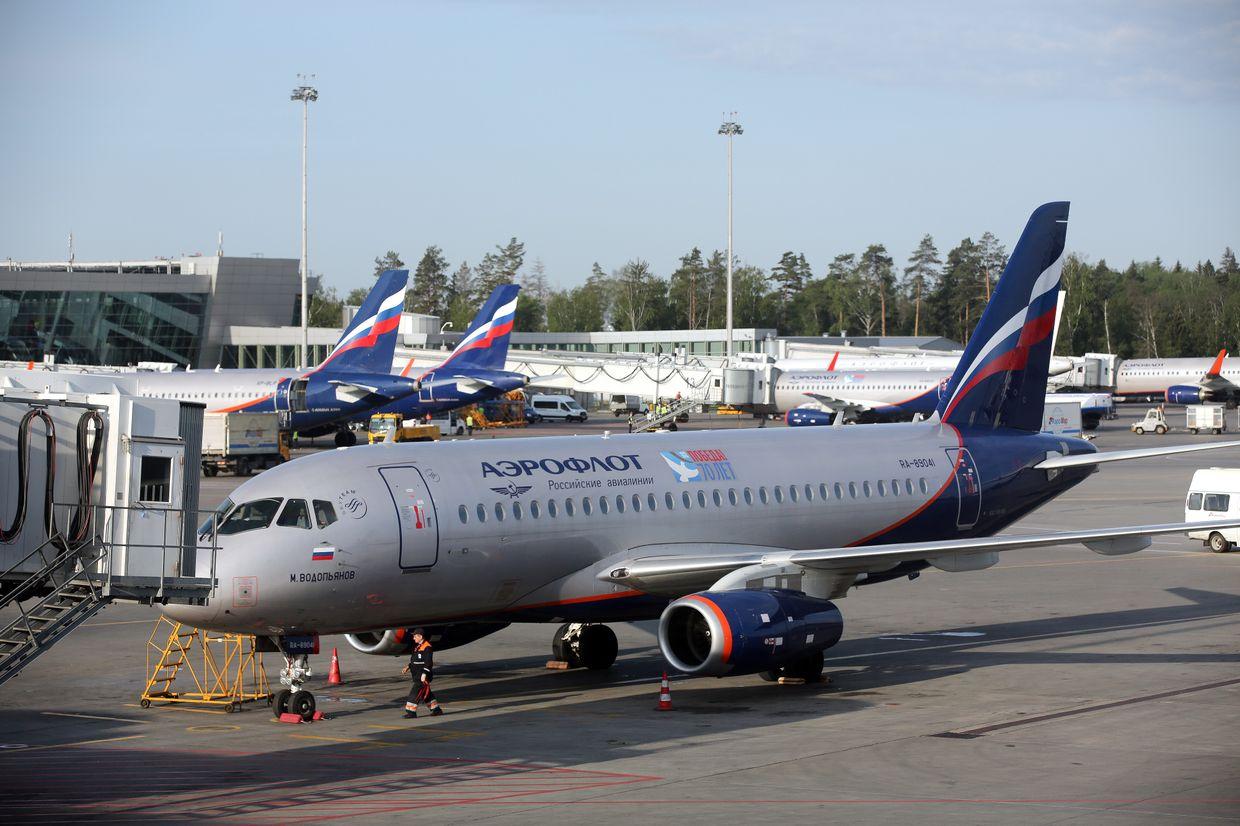
Russia will not allocate federal funds to equip civilian airports with anti-drone systems as initially expected, pro-Kremlin publication Vedomosti reported on Jan. 12, citing two undisclosed sources.
This decision affects airports classified as Category I transportation infrastructure facilities, raising concerns about the vulnerability of Russia's civil aviation to drone-related threats.
The Russian government was originally expected to spend over 11 billion rubles ($106 million) by 2028 to equip 31 airports, including those in Moscow, St. Petersburg, Yekaterinburg, Sochi, and other major cities, with drone defense systems.
However, this funding was not indicated in the relevant federal strategy document on infrastructure security, Vedomosti writes. This means it will be up to the airports' management to ensure security against potential drone threats, the outlet wrote.
Russia's decision not to fund anti-drone systems at key airports highlights gaps in its ability to address potential threats to civil aviation. Effective airport defense systems involve long-range drone detection systems, airspace closure, and neutralization using standard air defense measures.
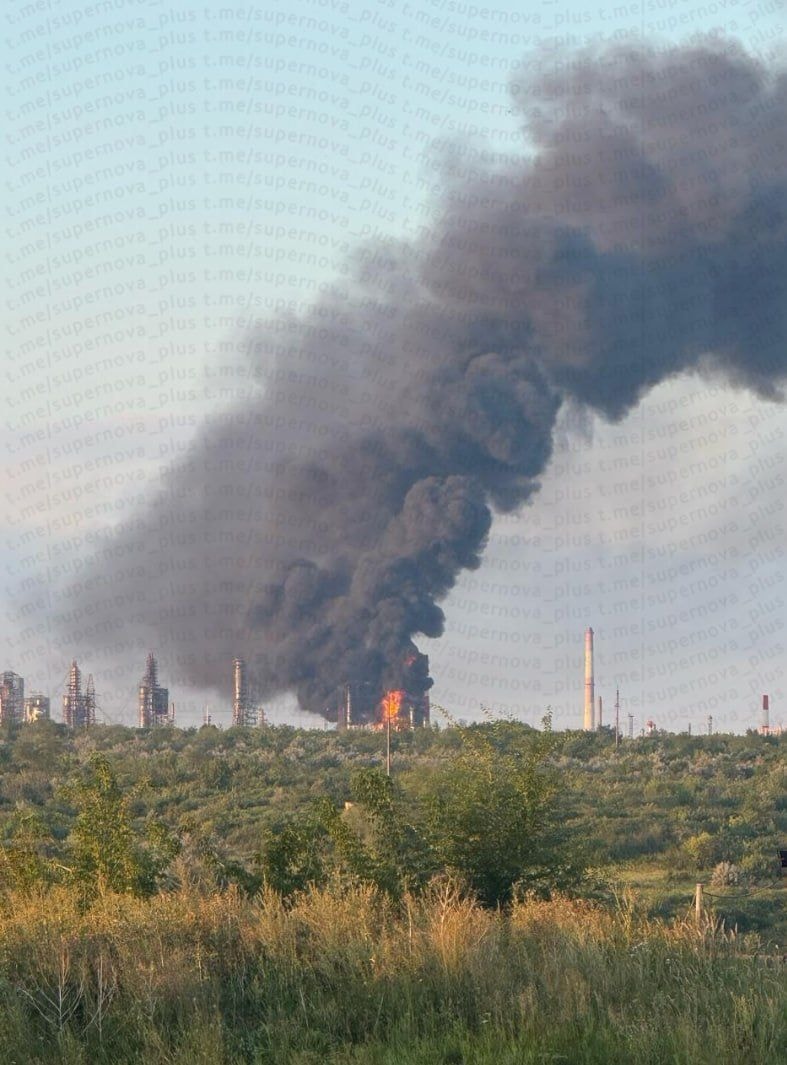
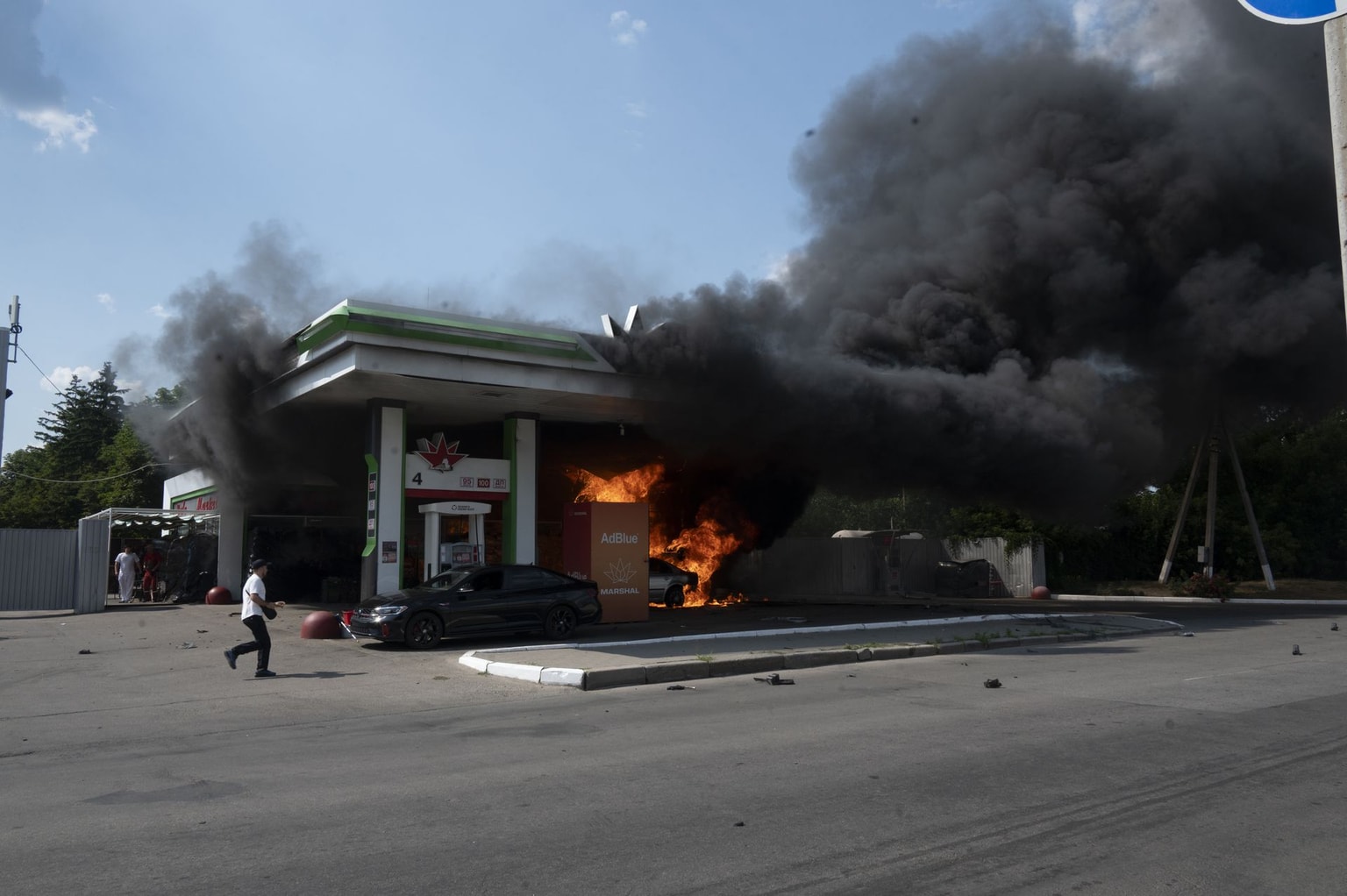
During the full-scale war, Ukraine has launched long-range drone strikes targeting Russian energy, military, and industrial facilities. Russian airports often halt operations for security reasons amid drone attacks.