Rediscovering Ukraine’s literary heritage: Ukrainian Institute and Kyiv Independent launch 'The Hidden Canon'
 on Google
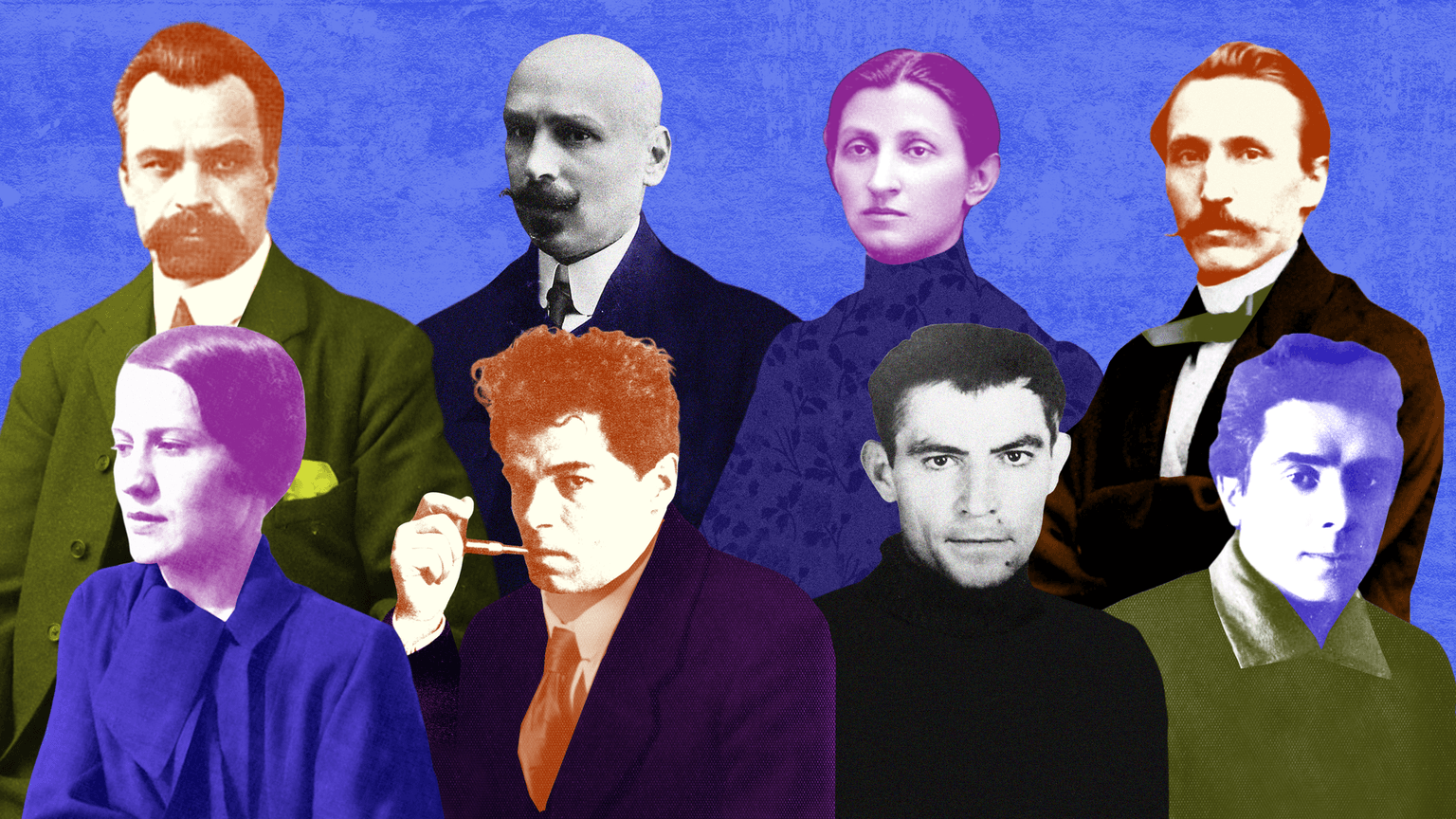
At the initiative of the Ukrainian Institute, the Kyiv Independent announces the launch of "The Hidden Canon: Ukraine's Literary Iconoclasts," a new series celebrating Ukrainian classic literature with the goal of bringing it to a wider international audience.
For many readers outside Ukraine, the country's classic literature remains largely untranslated and therefore unfamiliar, often overlooked due to historical and imperial pressures. Yet Ukrainian literature is defined not by silence, but by boldness, experimentation, and defiance. Its writers have consistently challenged language, identity, power, and the very boundaries of art itself.
"We initiated this project to offer a deeper insight into Ukraine and its people to a global audience. Apart from the context of the ongoing war, Ukraine remains largely unknown to the outside world, but literature can provide a key to understanding the country and its cultural context," said Olha Petryshyn, Head of Literature at the Ukrainian Institute.
"This special project, in partnership with Kyiv Independent, is a continuation of our series of reading guides, which we prepare in collaboration with experienced and respected Ukrainian and international literary scholars. At the same time, it responds to the growing interest from international audiences in learning more about Ukrainian literature and the historical conditions under which it was created."
"The Hidden Canon" will highlight a selection of Ukrainian authors across generations, styles, and sociopolitical climates, all united by a singular trait: each of them pushed beyond what was expected or permissible during their time. They challenged literary forms, confronted oppressive systems, and reimagined Ukrainian identity in eras when that often came at a cost. Their works fuse formal innovation with the high stakes of lives lived at the threshold — where artistic and personal integrity could mean exile, censorship, or even death.
The series will include translated excerpts, narrative storytelling, and interviews with leading literary experts to help educate foreigners about the importance of eight authors from classic Ukrainian literature. It will demonstrate that Ukrainian literature has never existed on the periphery, and that it is a vital part of the world literary canon — a site of constant reinvention, where beauty and resistance converge, and where writers refuse to surrender their inner world to empire or ideology.
From Panteleimon Kulish's pioneering work in the historical novel and Olha Kobylianska's modernist, feminist challenge to social and sexual norms to Mykhailo Kotsiubynskyi's impressionist reimagining of rural consciousness, this project charts a decisive transformation of Ukrainian literature from the 19th into the 20th century.
As Ukrainian literature entered a period of radical experimentation, Volodymyr Vynnychenko turned literature into a testing ground for psychological honesty, desire, and moral risk, while Sofia Yablonska carried Ukrainian modernity onto a global stage through her anti-colonial travel writing. Moving into the interwar avant-garde, Mykhail Semenko and Mykola Khvylovyi pushed language and form to their limits, and Vasyl Stus ultimately transformed personal and political suffering into an ethical force with global resonance.
Together, these authors chart a lineage of creative defiance that continues to shape Ukraine's cultural climate today — but they also deserve to be recognized for their place in world literature.