Polish city halts ties with Lviv amid dispute over UPA commemorations
 on Google
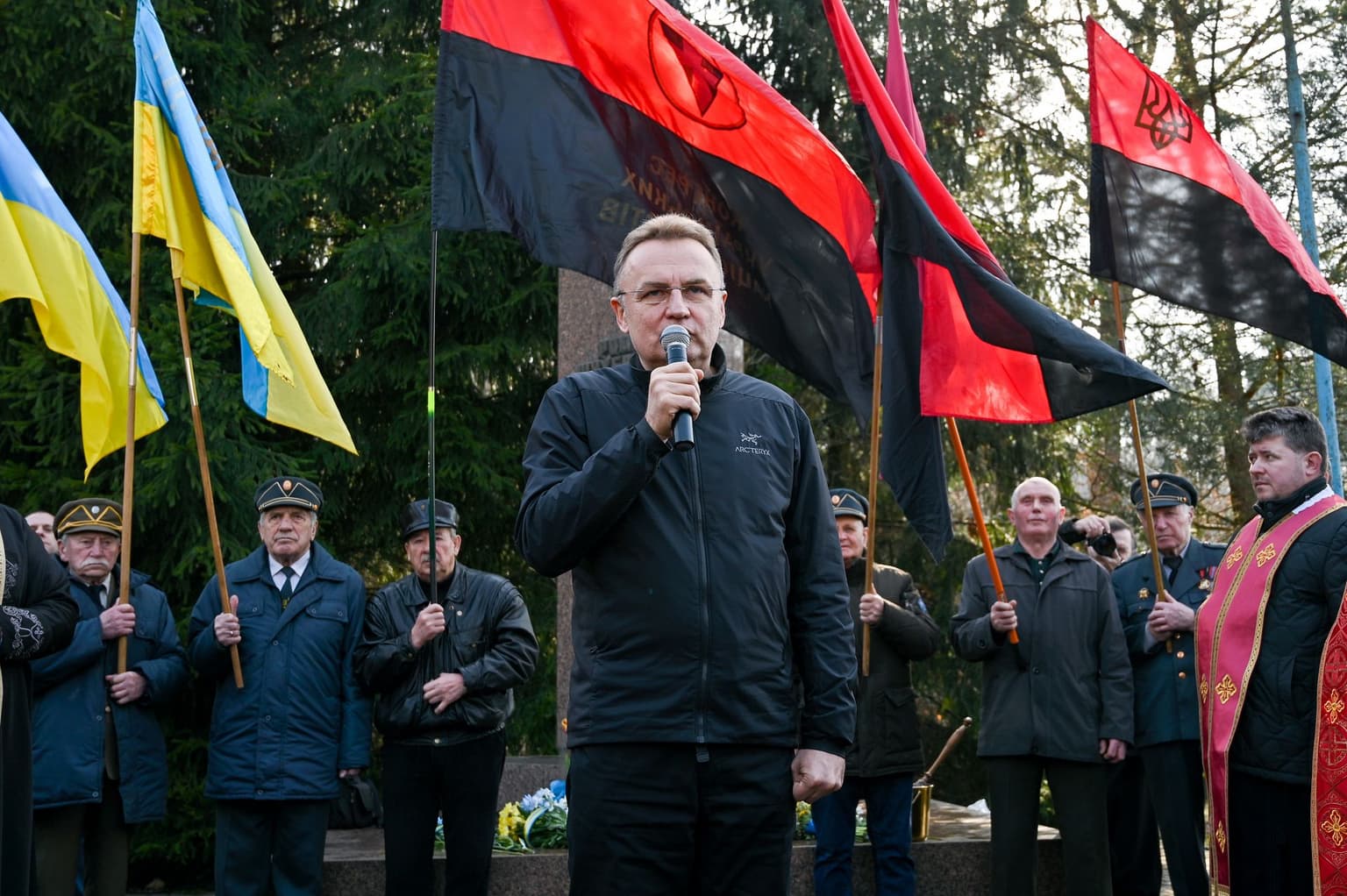
Councilors in the Polish city of Przemysl unanimously voted on Oct. 26 to suspend cooperation with Lviv, a city in western Ukraine, in protest against a proposal to honor the Ukrainian Insurgent Army (UPA) and its leader, Roman Shukhevych, in 2027, Polish broadcaster RMF24 reported.
The move adds to tensions between the two countries after Lviv's council adopted decrees on Oct. 20 declaring the next year as the Year of the UPA, the Year of Shukhevych, and the Year of Oleh Olzhych, a Ukrainian poet and political activist.
The dispute could spread to other Polish local authorities. The Lublin regional assembly also voted in support of severing ties with Lviv, according to RMF24.
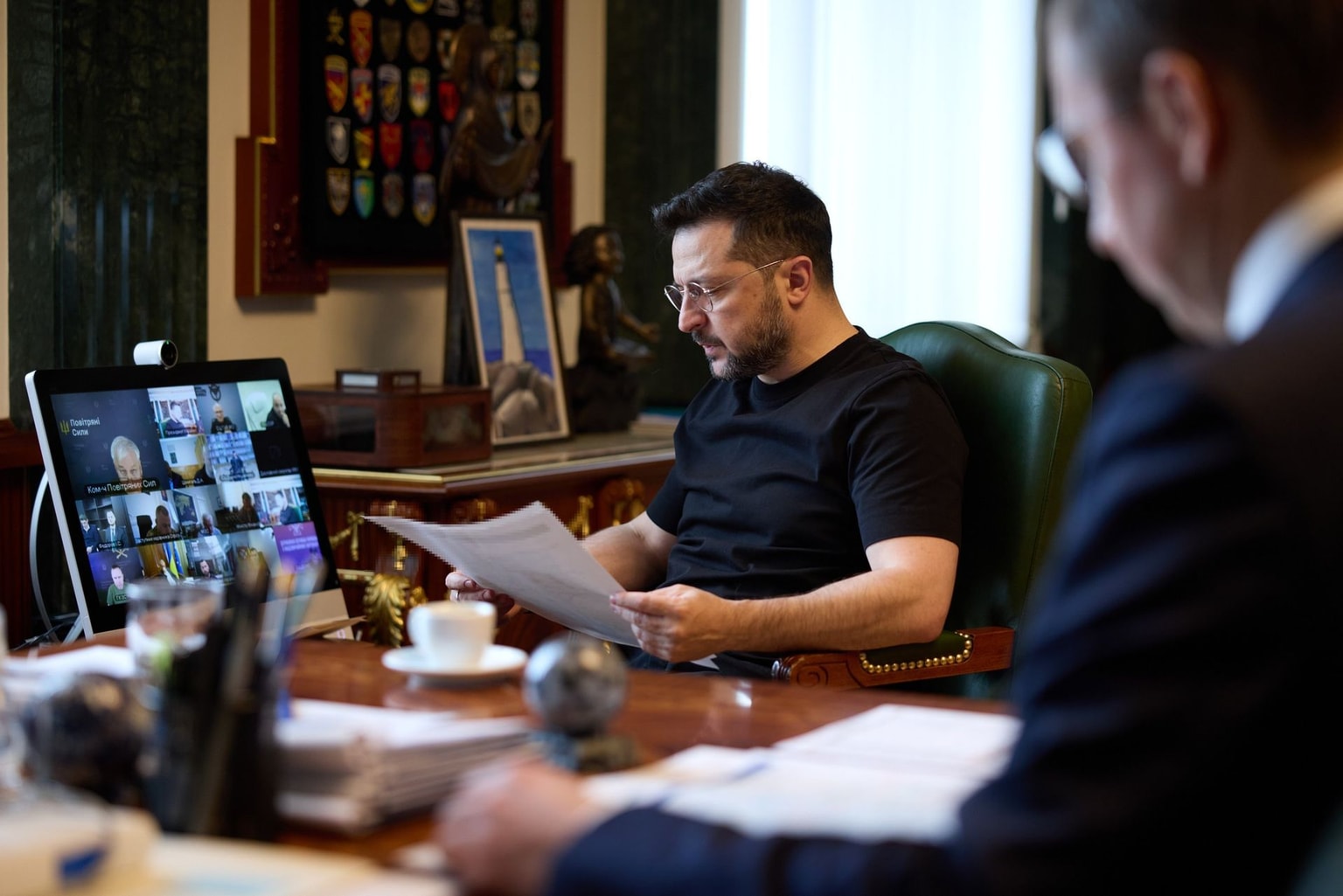
Polish Prime Minister Donald Tusk has described Lviv's decision as "suicidal tactics," adding that he warned President Volodymyr Zelensky such gestures are not helping already patchy Ukraine-Poland relations.
Ukraine's Foreign Ministry called Lviv's actions "counterproductive to our current efforts to further develop Ukrainian-Polish relations and resolve contentious issues amid Russia's full-scale aggression," in a statement to journalists on Oct. 21.
Sviatoslav Sheremeta, head of Lviv's regional council cultural committee, was declared by Warsaw as persona non grata and banned from entering the Schengen area until 2031.
In Poland, the UPA is associated with 1943-1945 Volyn massacres, a historical event during which tens of thousands of Poles were killed in what today is western Ukraine, but used to be under Nazi occupation.
"Roman Shukhevych was a criminal who collaborated with the Nazis and whose hands are stained with the blood of thousands of innocent victims—people killed simply because they were Polish," said Poland's charge d'affaires in Kyiv, Piotr Lukasiewicz.
Poland is an important ally in the realms of security and defense, especially at a crucial time when U.S. relations with Ukraine have become strenuous.
"Additional foreign policy challenges are the last thing Ukraine needs today," Sergiy Solodkyy, director of the New Europe Center think tank in Kyiv, told the Kyiv Independent.