Naval drone attacked Sevastopol, Russian occupation authorities claim
 on Google

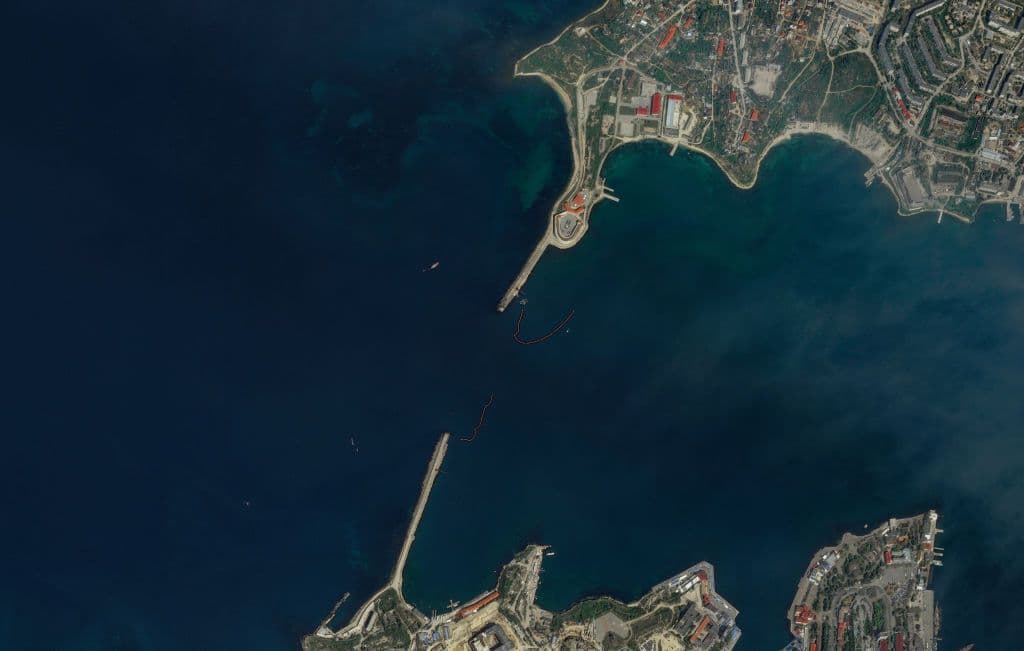
The port city of Sevastopol in Russian-occupied Crimea came under attack by a naval drone, Russian occupation authorities claimed early on July 18.
"The loud noises that were heard in the city were our military's response to a request for an attack by a naval drone," Mikhail Razvozhayev, the Russian-installed head of the occupied city, said on Telegram.
Razvozhaev claimed the drone had been destroyed.
The Crimean Wind Telegram channel shared a video that purported to show defenses firing toward the sea against the drone.
Ukraine has not commented on the attacks. The Kyiv Independent could not verify the claims.
The coastal area south of Sevastopol also reportedly came under attack on July 15 by aerial drones.
Sevastopol is an important port city and was chosen by Russia as the headquarters for its Black Sea Fleet, but successful Ukrainian strikes on occupied Crimea forced Moscow to pull out much of its naval forces from the peninsula.
After repeated attacks, Russia withdrew its last patrol ship of the Black Sea Fleet from Crimea on July 15.
Ukraine previously destroyed several Russian ships with naval drones, including a landing ship Caesar Kunikov, a Sergei Kotov patrol ship, high-speed Serna and Akula landing crafts, and a Tarantul-class Ivanovets missile corvette.