News Feed

Naftogaz: Russia's morning attack targeted gas infrastructure

1 min read
Naftogaz: Russia's morning attack targeted gas infrastructure
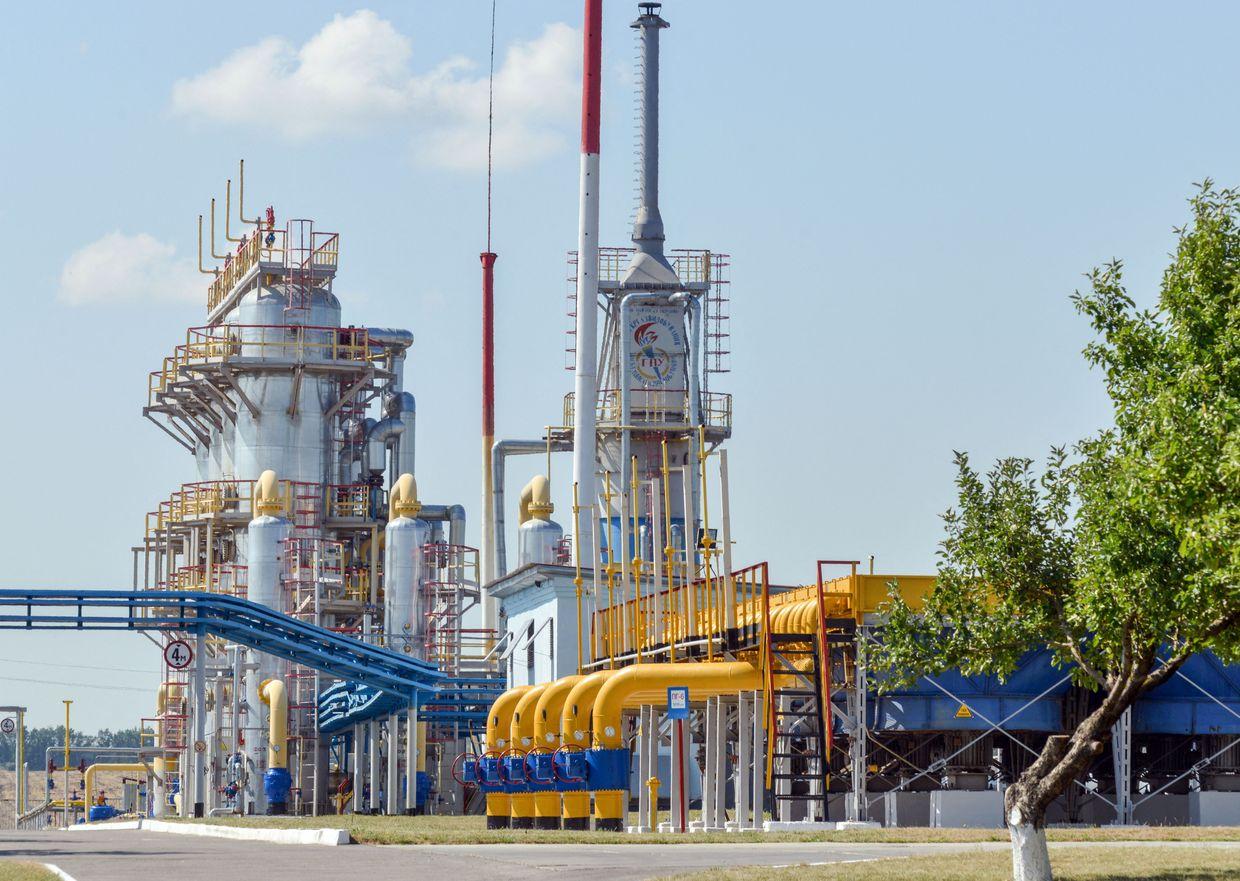
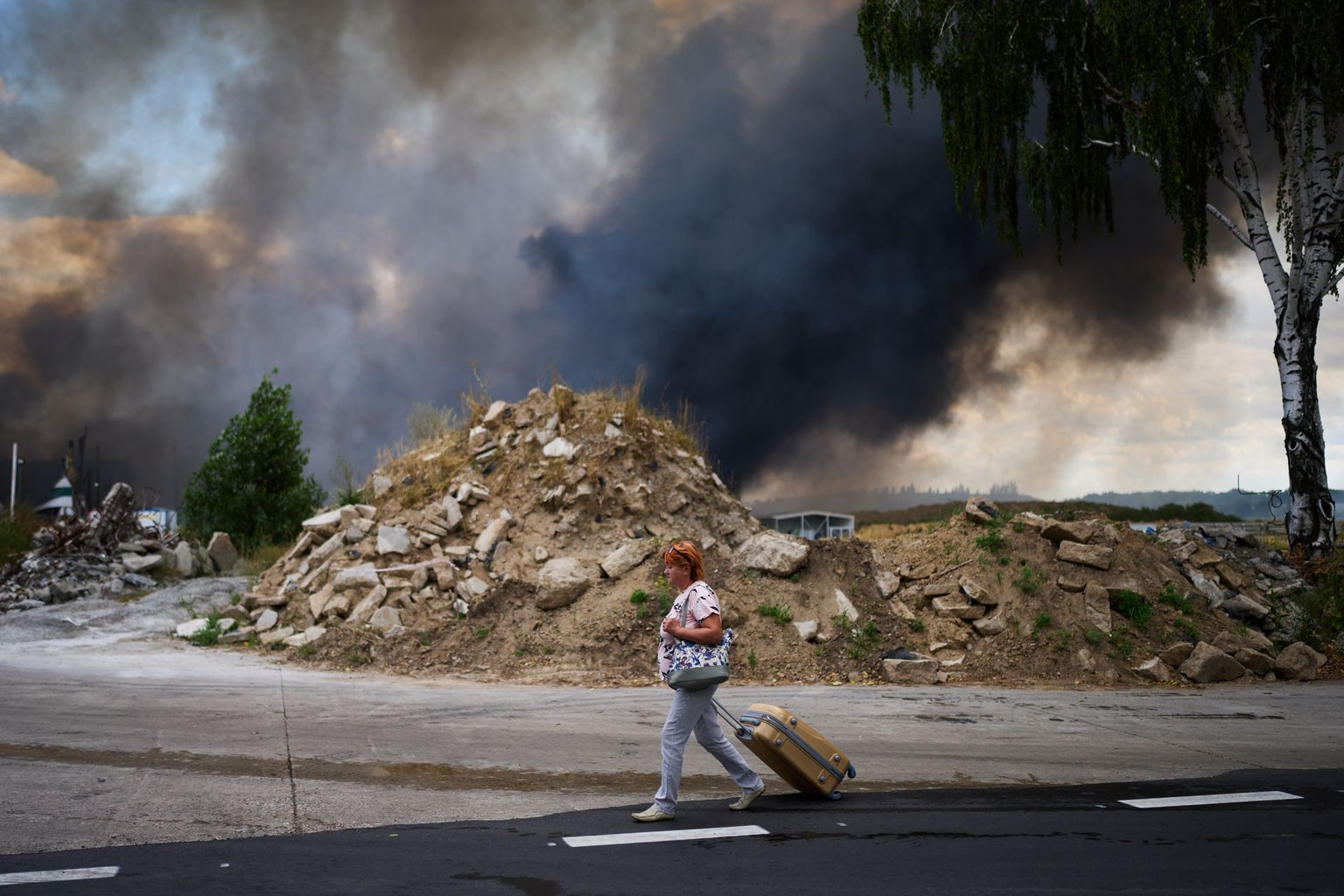
Illustrative purposes only: A picture shows a compressor station of Ukraine's Naftogaz national oil and gas company near the northeastern Ukrainian city of Kharkiv on Aug 5. 2014. (Sergey Bobok/AFP via Getty Images)

Russia's attack against Ukraine early on April 27 targeted gas infrastructure facilities of the Naftogaz Group, the company's press release said.

Moscow's troops launched yet another aerial attack on Ukraine's critical infrastructure in the early hours of April 27, hitting energy facilities in Dnipropetrovsk, Ivano-Frankivsk, and Lviv oblasts.

The Naftogaz Group did not specify in what oblasts the targeted gas facilities were located, nor what the full consequences of the attack were.

"Fortunately, no one was hurt. The attack will not affect the provision of services to Ukrainian consumers and clients of the Group," the company said.

"Our employees and relevant services are dealing with the consequences of the attack."

After Ukraine went through the winter with a relatively stable situation in the energy sector, Russia began attacking the country's gas infrastructure with the arrival of the spring months.

Two of Naftogaz's underground storage facilities were targeted on April 11. The company's sites were also attacked during strikes on March 24 and 29.

Naftogaz CEO: Ukraine ‘has to become an energy-independent state’
Avatar
Martin Fornusek

Reporter

Martin Fornusek is a reporter for the Kyiv Independent, specializing in international and regional politics, history, and disinformation. Based in Lviv, Martin often reports on international politics, with a focus on analyzing developments related to Ukraine and Russia. His career in journalism began in 2021 after graduating from Masaryk University in Brno, Czechia, earning a Master's degree in Conflict and Democracy Studies. Martin has been invited to speak on Times Radio, France 24, Czech Television, and Radio Free Europe. He speaks English, Czech, and Ukrainian.

Read more
News Feed

The list includes Denys Shmyhal, Ukraine's defense minister and previously the longest-serving prime minister, Digital Transformation Minister Mykhailo Fedorov, military intelligence chief Kyrylo Budanov, Deputy Presidential Office head and ex-commander Pavlo Palisa, and Sergiy Kyslytsya, the first deputy foreign minister and one of Ukraine's key negotiators.

Show More