Merz seeks to quickly push through $3.2 billion in German aid for Ukraine
 on Google
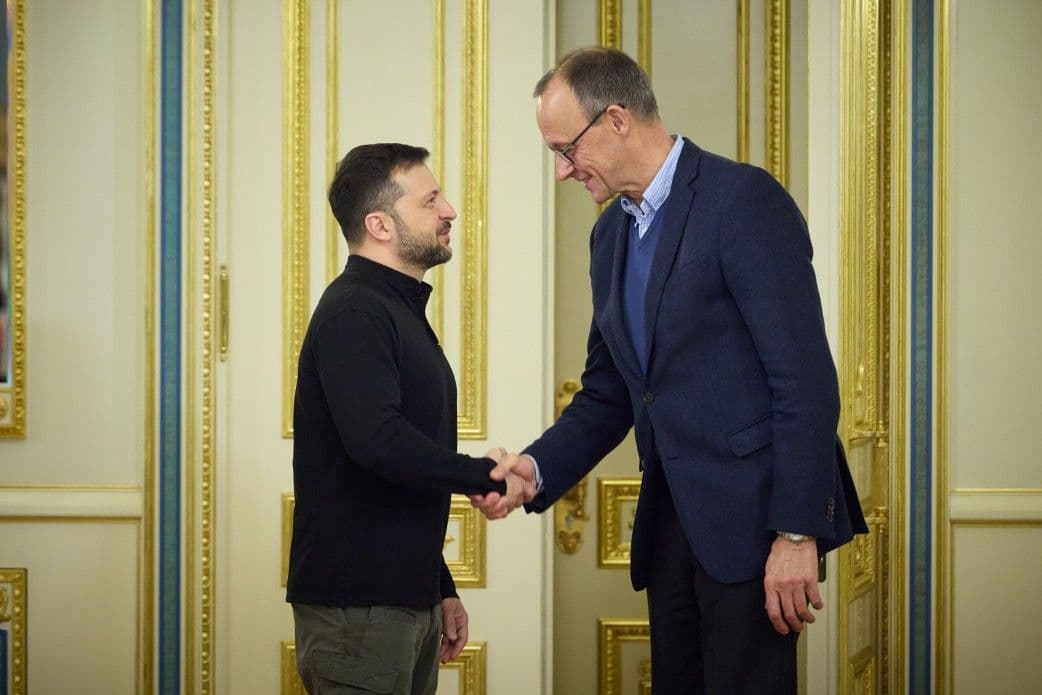
Friedrich Merz, Germany's likely next chancellor, said he wants a defense aid package for Ukraine worth roughly 3 billion euros ($3.2 billion) approved by the current, outgoing parliament, Le Monde and AFP reported on March 4.
Speaking at a press conference, Merz said he plans to raise the issue with outgoing German Chancellor Olaf Scholz, who has opposed the package unless funded by additional government borrowing.
Germany's incoming chancellor has presented extensive plans to reform debt break rules to boost defense spending as Europe is expected to take more responsibility for its security and Ukraine during the U.S. presidency of Donald Trump.
Merz's conservative CDU/CSU alliance won the parliamentary elections on Feb. 23 with almost 29% of the vote. The Christian Democrats are in talks with Scholz's Social Democratic Party (SPD) on forming a new government, though the outgoing chancellor said he would not be personally part of the coalition negotiations.
Germany has allocated 4 billion euros ($4.1 billion) in military support for Ukraine this year, and the additional package would raise this to 7 billion ($7.2 billion).
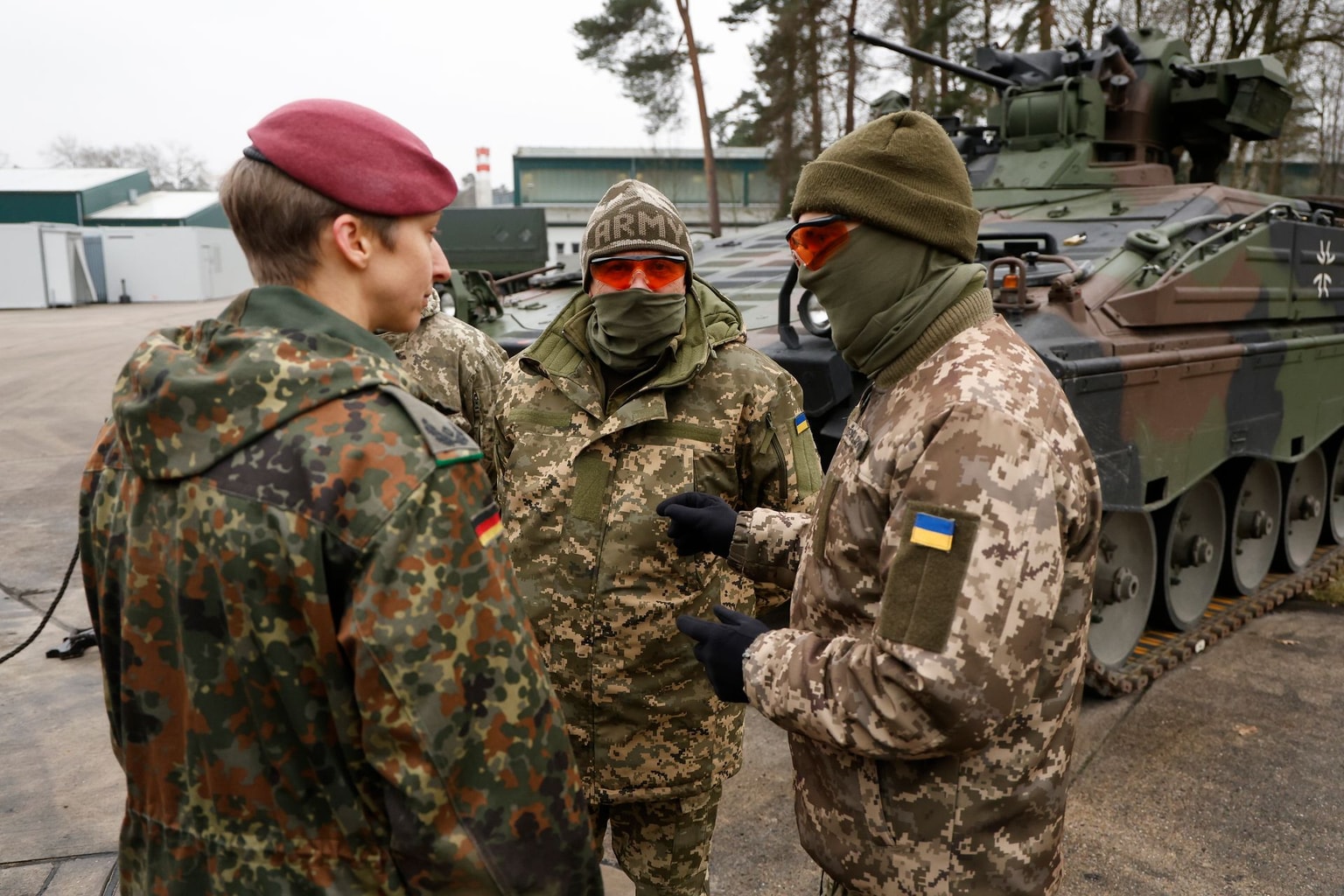
The defense articles contained in the new assistance include three IRIS-T air defense systems, three Skyranger air defense systems, 10 howitzers, surface-to-air missiles, 20 protective vehicles, artillery shells, and drones, the Suddeutsche Zeitung newspaper reported.
According to Merz, the additional aid "can be approved now as off-budget expenditure." The CDU chairman has also unveiled plans for a massive defense spending boost, establishing a 500-billion-euro ($535 billion) special development and defense fund and exempting defense spending above 1% of GDP from debt break rules.
As changes to debt break rules need support from two-thirds of the parliament to pass, Merz hopes to negotiate the bills' passage with pro-Ukraine moderate parties in the current Bundestag as quickly as possible.
In the next parliament, which must convene no later than March 25, Merz could expect stronger opposition. Roughly one-third of the seats will be held by the far-right Alternative for Germany (AfD) and the Left Party (Die Linke), both of which oppose military aid for Ukraine.
Germany has been Ukraine's second-largest military donor after the U.S. Berlin's role is especially important now that the Trump administration has frozen defense assistance for Ukraine, seeking to push Kyiv to the negotiating table.