RFE/RL: Ukrainian surveillance cameras send data to Chinese manufacturers
 on Google

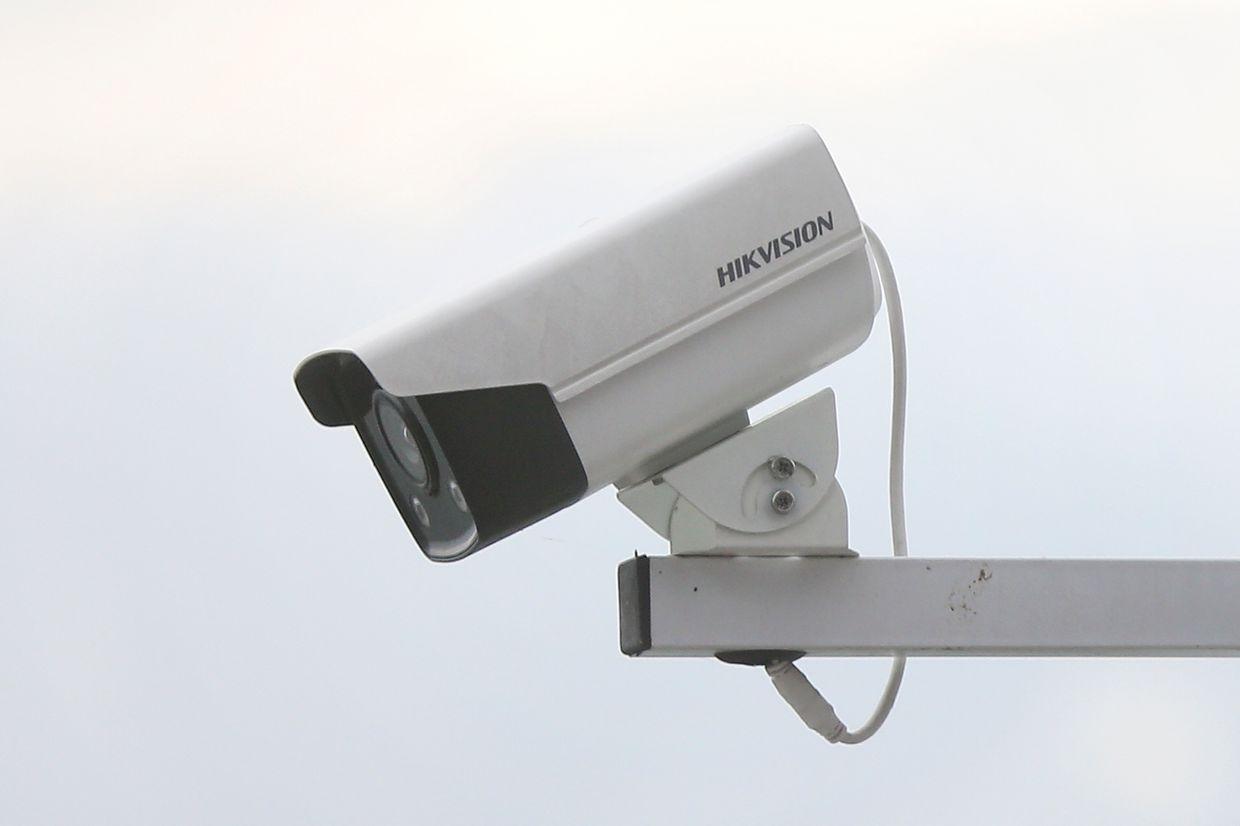
Hundreds of thousands of surveillance cameras used in Ukraine transmit information to servers of their Chinese state-linked manufacturers, Radio Free Europe/Radio Liberty's (RFE/RL) investigative project Schemes reported on Jan. 25.
This can pose significant security risks, as China closely cooperates with Russia, currently waging an all-out war against Ukraine, in many areas, including information exchange.
According to the investigation, cameras produced by China's Hikvision and Dahua manufacturers, banned in the U.S. due to security concerns, are widely used in Ukraine, including on city streets, at public and private facilities, and in people's homes.
An experiment conducted by Schemes journalists revealed that the older versions of these cameras are very easy to hack when not protected by additional security measures.
Russian intelligence services have reportedly managed to access surveillance cameras, including older Hikvision devices, to guide strikes against Ukraine's cities, for example, during a mass missile attack on Jan. 2.
Ukraine's security services have blocked over 10,000 cameras that Russia could have used throughout the full-scale war, Schemes wrote. Many more remain in use.
Although the investigation noted that cameras procured in September 2023 are better protected against hacker attacks, even these devices provide data to Hikvision and Dahua, which are linked to the Chinese state. Hikvision is fully controlled by the state, while Dahua is only partially state-owned.
Both of these companies are present on Ukraine's list of international war sponsors. In spite of that, their products are also used by Ukrainian government agencies and services, such as the "Safe City" public security system.
Schemes pointed out that the cameras used by the "Safe City" and state bodies work as part of an isolated network, preventing them from sending data to their manufacturers.
While it is unclear whether data actually ends up in Russian hands, the close rapport between Beijing and Moscow makes the data transmission a security risk.
China has not provided direct military assistance to Russia and urged a peaceful resolution to the war, but has also refused to join the international pressure against the Kremlin and continued to tighten cooperation amid the full-scale war.
In December 2023, Schemes uncovered that thousands of surveillance cameras in Ukraine use the Russian TRASSIR software, which sends data to Moscow servers linked to Russia's Federal Security Service (FSB).