Lithuania to tighten checks on Russian grain shipments
 on Google


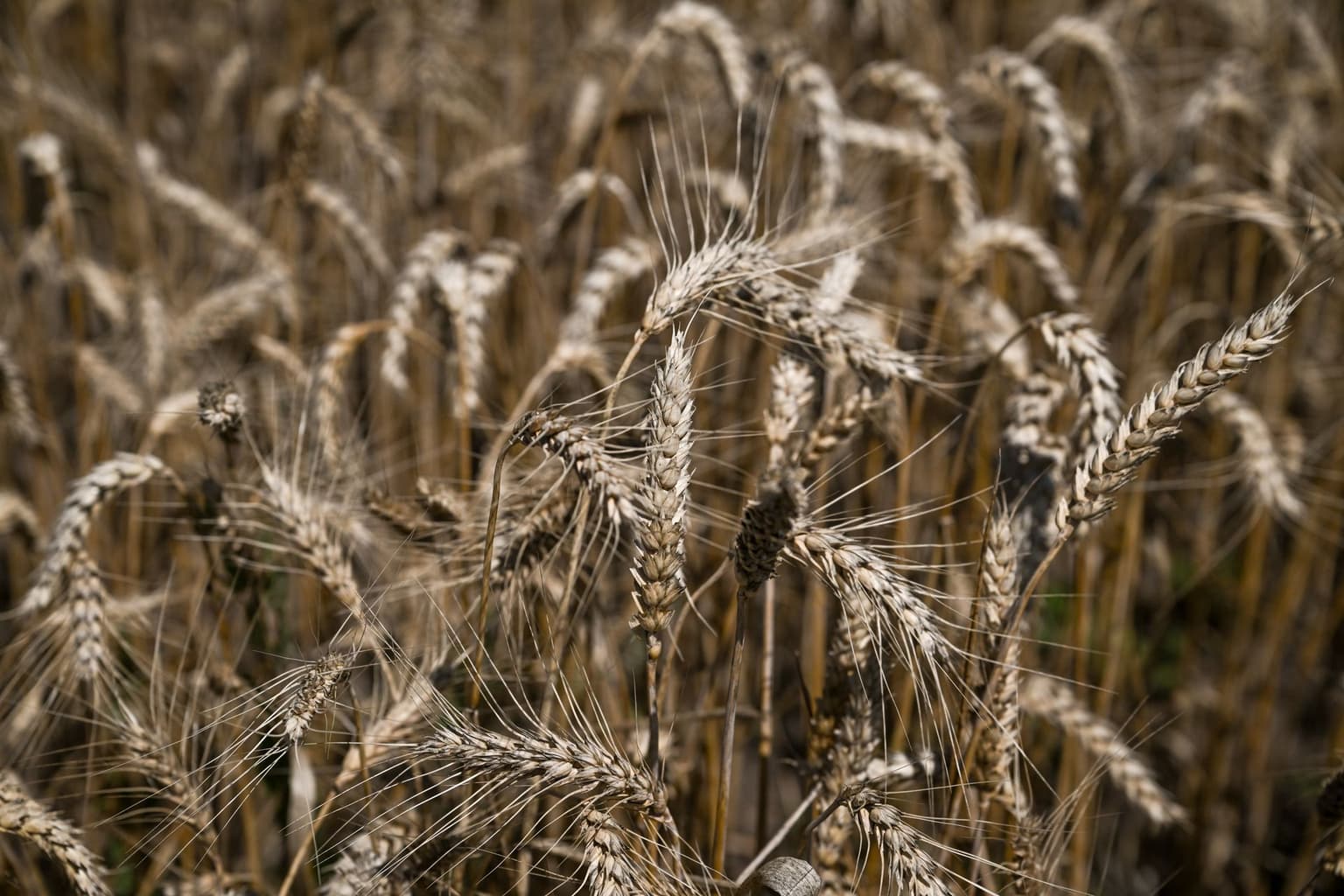
Vilnius will tighten checks on grain from Russia and Belarus, blocking shipments from clearing customs until their origin is verified, Reuters reported on Nov. 10, citing a Lithuanian Agriculture Ministry official.
The move comes as Lithuania has been testing grain shipments from Russia and Belarus since September over concerns that some may have originated in Russian-occupied parts of Ukraine.
The inspection could take at least two months, according to the official. Lithuania lacks a laboratory that can conduct the required tests, meaning they will have to be done abroad.
"We will continue inspecting, verifying, and stopping shipments for as long as necessary to prevent grain of illegal origin from entering the international market," said Audrone Mikalauskiene, head of Lithuania's State Border Guard Service.
The new checks will apply from Nov. 16 to Russian and Belarusian exports of wheat, barley, sunflower seeds, and maize passing through Klaipeda port, where shipments will be held until test results are ready, the official told Reuters.
Shipments found to contain grain of a different origin, will have to be returned or destroyed, the ministry said. The exporter will cover all costs of storing, testing, returning, or destroying the grain.
Lithuanian Prime Minister Mindaugas Sinkevicius called for EU sanctions on Russian grain and a ban on its transit in October. The prime ministers of Estonia, Latvia, and Lithuania urged the bloc to put the issue on its agenda.
They called for stronger measures to stop grain stolen from occupied Ukrainian territories from entering international markets through the EU, a ban on Russian grain transit, and further support for the EU-Ukraine Solidarity Lanes to facilitate Ukrainian grain exports.
Russia, the world's leading wheat exporter, has increasingly struggled to ship out grain via the Black Sea amid Ukrainian drone attacks against Russian ports, forcing it to rely on alternative routes.
Some of the Russian grain has been redirected to Russia's Baltic ports and to terminals in Latvia and Lithuania, even though these can process only about 10% of the volume that usually goes through the southern ports.
In October, Estonia has prohibited the transit of Russian and Belarusian grain through its territory. While Russia and Belarus haven't used the Baltic country for grain exports so far, the move is designed to prevent any such exports in the future.