Iranian drone that struck British air base contained Russian technology, Times reports
 on Google
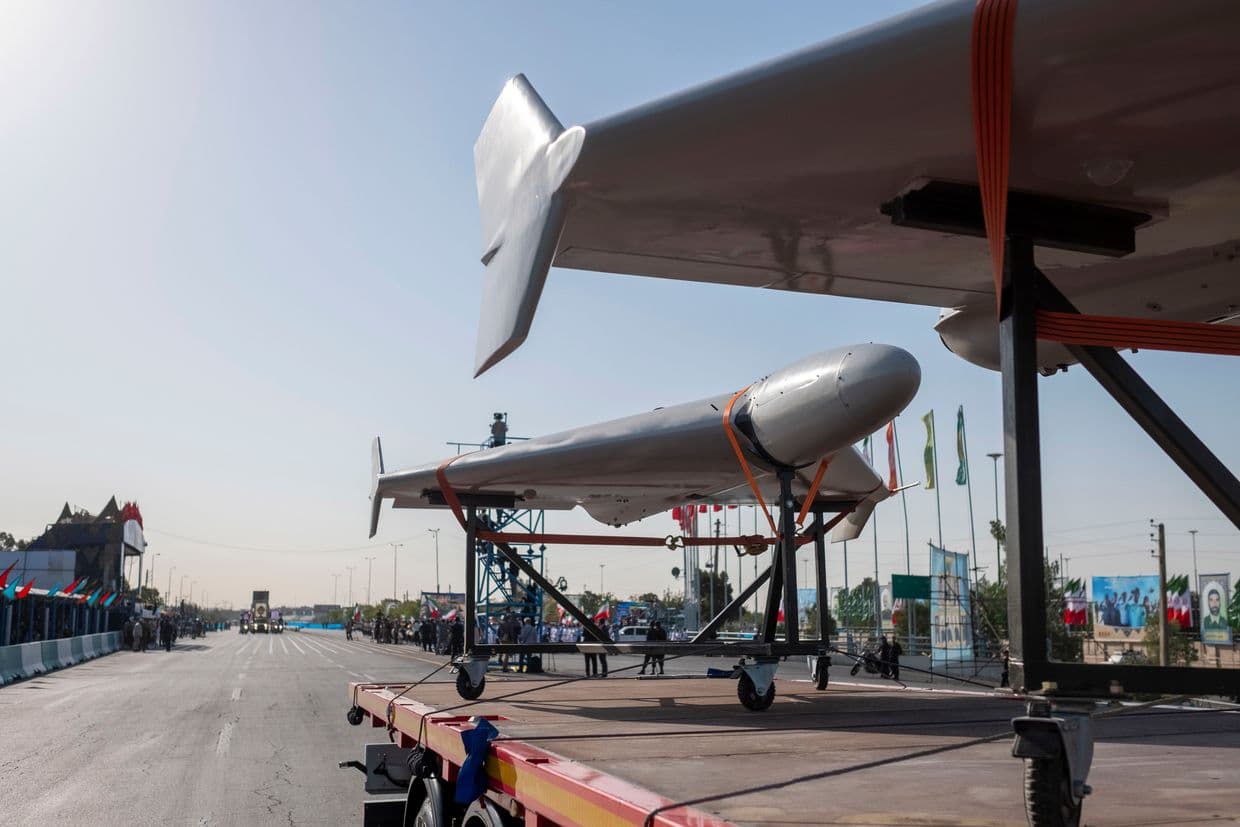
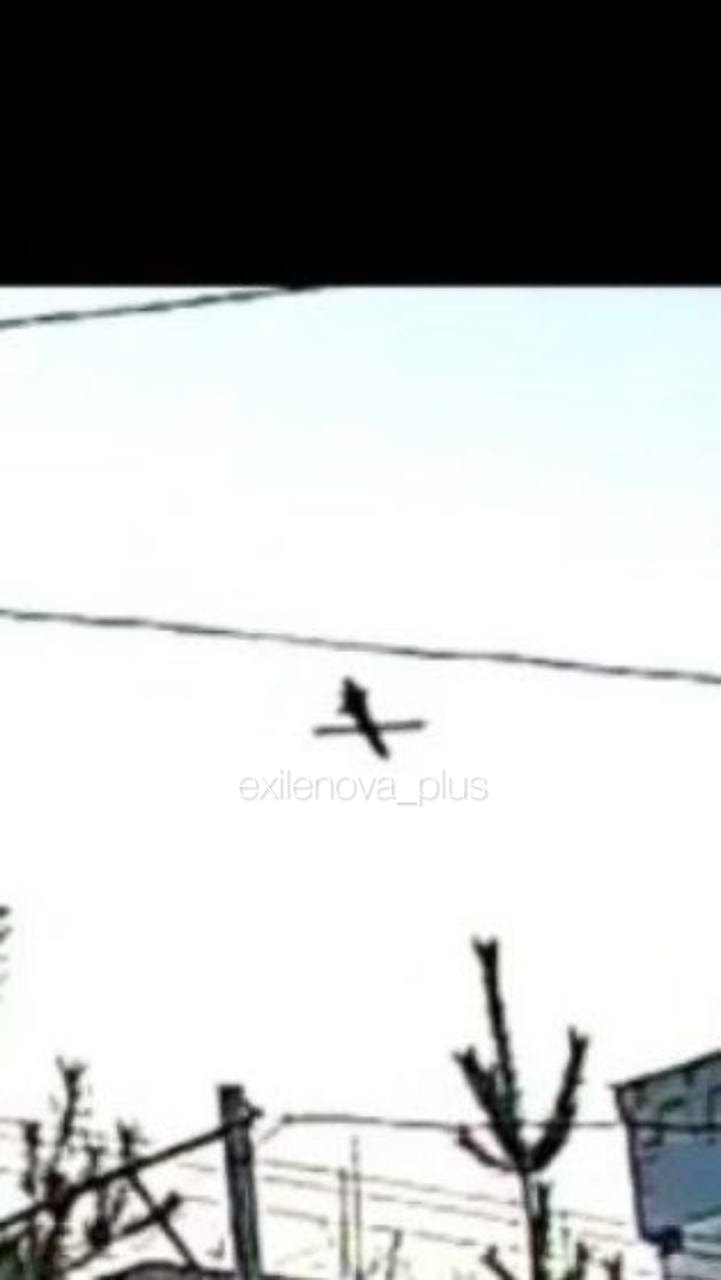
A drone that struck a U.K. air base in Akrotiri on the island of Cyprus on March 1 contained Russian technology, the Times reported March 7.
The remains of a kamikaze drone have reportedly been sent to a laboratory in the U.K. by British intelligence and contain a Russian-made Kometa-B navigation system.
The drone was launched from Lebanon by an "Iranian-aligned group," U.K. Defence Staff Chief Sir Richard Knighton said.
Russia and Iran are strategic partners. Tehran has provided Moscow with the technology to produce Iranian-designed Shahed drones of its own and sells weapons to Russia.
U.K. Prime Minister Keir Starmer announced on March 1 that he had accepted a request from the U.S. to use British military bases to launch strikes on Iranian missile storage sites and launch facilities.
The Royal Air Force later responded to a suspected drone attack on a British airbase in Akrotiri, Cyprus, that occurred late on March 1, the U.K. Defense Ministry later said, according to the BBC.
The U.K. hosts military bases at Akrotiri and Dhekelia on the eastern Mediterranean island of Cyprus.
U.S. President Donald Trump, on March 7, downplayed reports that Russia is helping Iran target U.S. forces in the Middle East.
"We don't know but it's not doing very well, if they are," Trump told journalists. "It's not doing much, if you take a look at what's happened to Iran over the past week."