Governor declares 'state of emergency' in Russia's Kursk Oblast, says situation remains 'very difficult'
 on Google

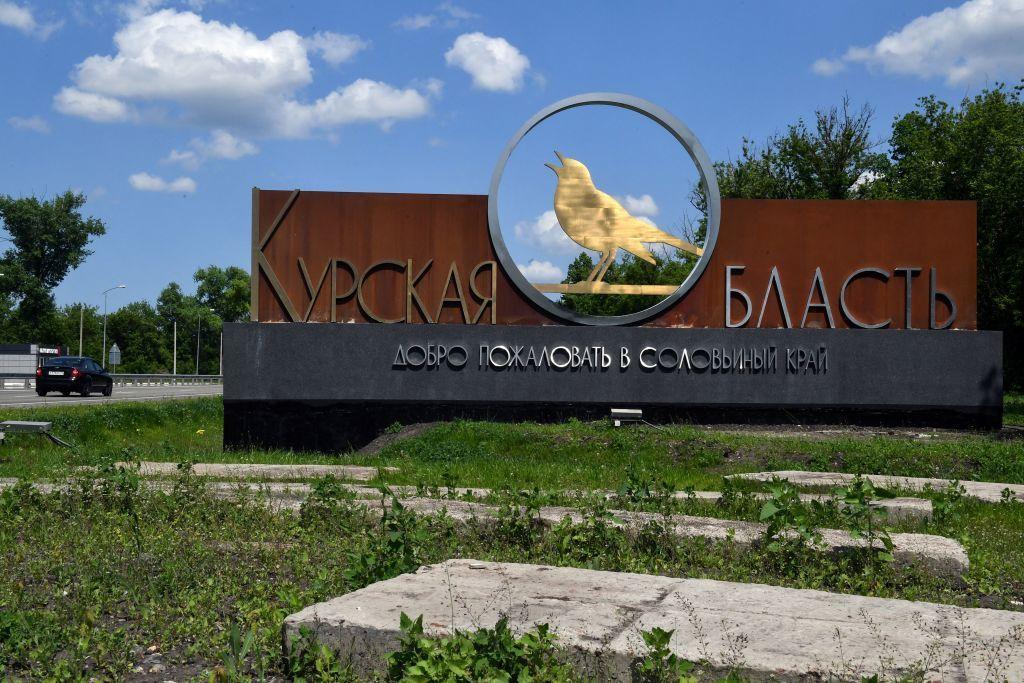
The situation in Russia's Kursk Oblast "remains difficult" amid the ongoing battles in the area, said acting Governor Alexey Smirnov on Aug. 7.
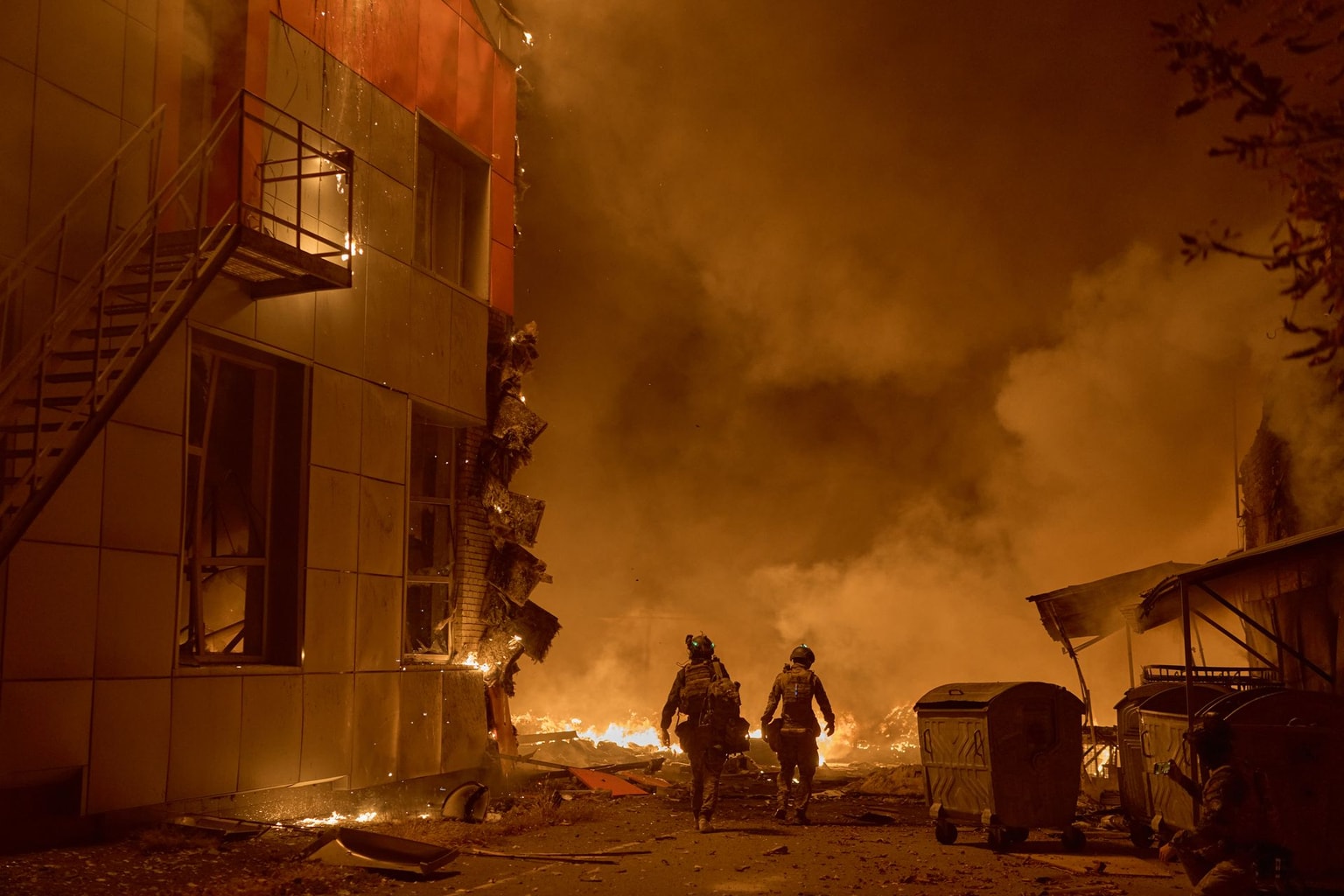
Smirnov added that he had declared a "state of emergency" in the oblast "in order to eliminate the consequences of enemy forces entering the area."
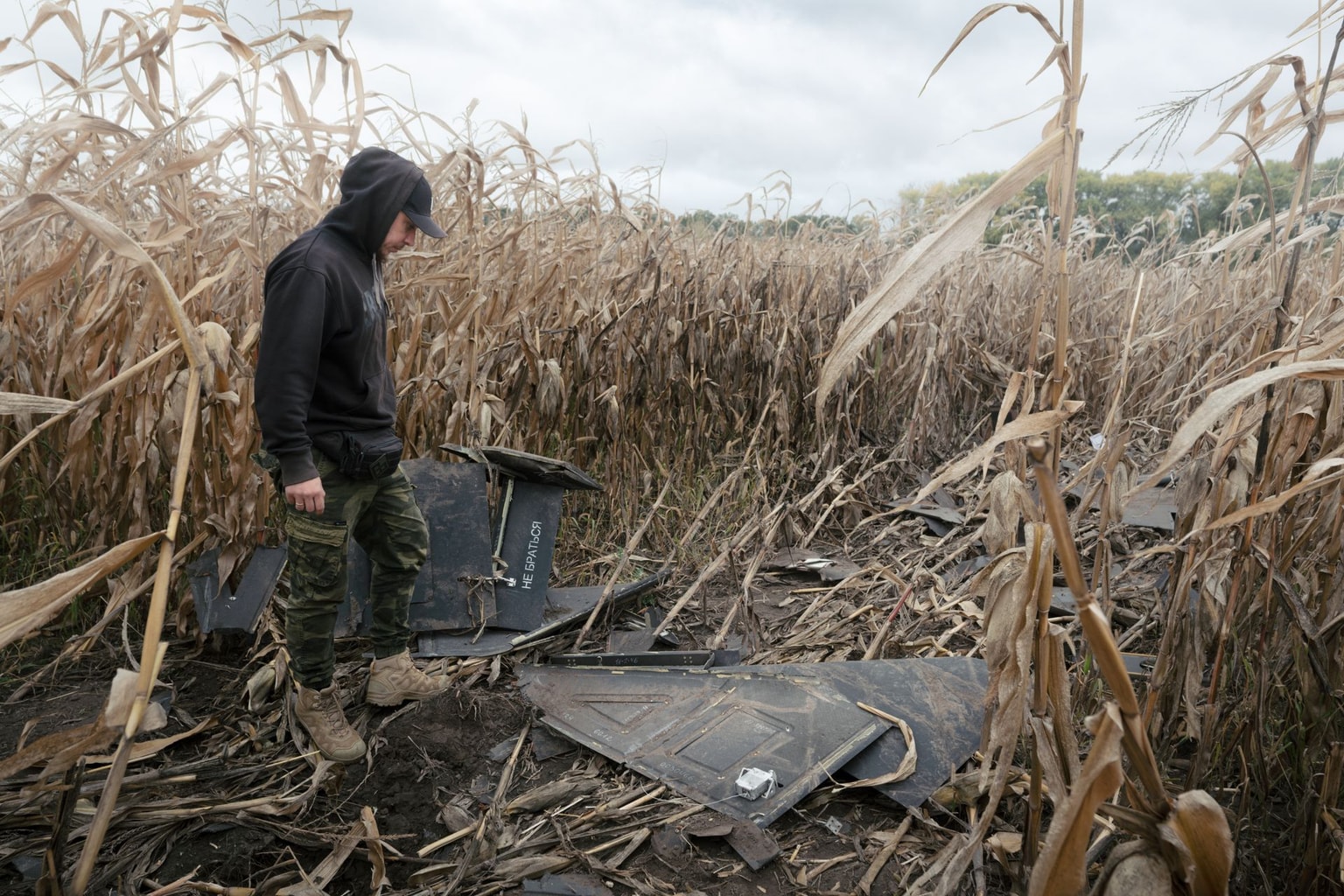
Ukrainian forces crossed the border into Kursk Oblast on Aug. 6, resulting in clashes on Russian soil that were described by Russian President Vladimir Putin as "a large-scale provocation." Kyiv has not commented on the fighting in the area.
Several thousand people have been reportedly evacuated amid the ongoing fighting in the oblast, Russian media reported.
Russian pro-Kremlin Telegram channels claimed that fighting was ongoing in the region's towns of Sudzha and Korenevo, writing that the Russian military has retreated from the Sudzha gas metering station, which transits gas to Europe through Ukraine.
Earlier in the day, Sudzha Mayor Vitaliy Slashchov said the situation in the town was "very tense."
Valery Gerasimov, chief of the General Staff of the Russian army, told Putin via video that Ukrainian soldiers allegedly aimed to "seize" the territory of Sudzhansky district, but their "advance in the direction of Kursk was halted."
These claims cannot be verified independently.
Satellite imagery obtained by Radio Free Europe/Radio Liberty (RFE/RL) shows significant damage to the Sudzha border crossing point as of the morning of Aug. 6.