FIFA set to provide World Cup payments to Russian clubs owned by sanctioned oil, gas companies, investigation finds
 on Google
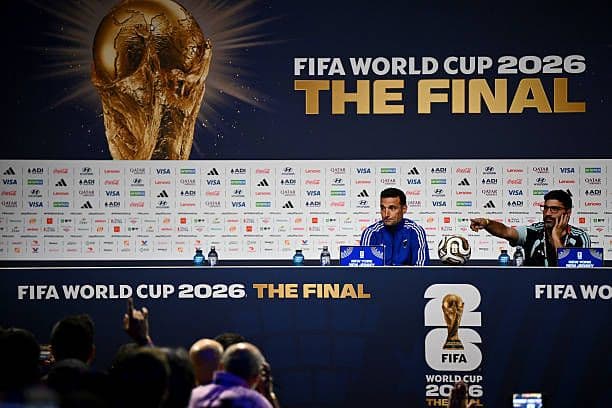
FIFA is set to disburse proceeds from the World Cup to a number of Russian football clubs owned by internationally sanctioned entities, including Russian oil and gas companies, an investigation by outlet Follow the Money published on July 18 found.
The disbursement, which were also issued following the 2022 Qatar World Cup, runs the risk of violating sanctions given many of the Russian clubs are owned by entities sanctioned by the United States and the European Union, the investigation found.
According to Follow the Money, multiple Russian football clubs are set to receive World Cup revenues distributed through the Club Benefits Programme. Funding is provided to national football associations, which then allocate the funds to local clubs releasing players to their national teams during the World Cup.
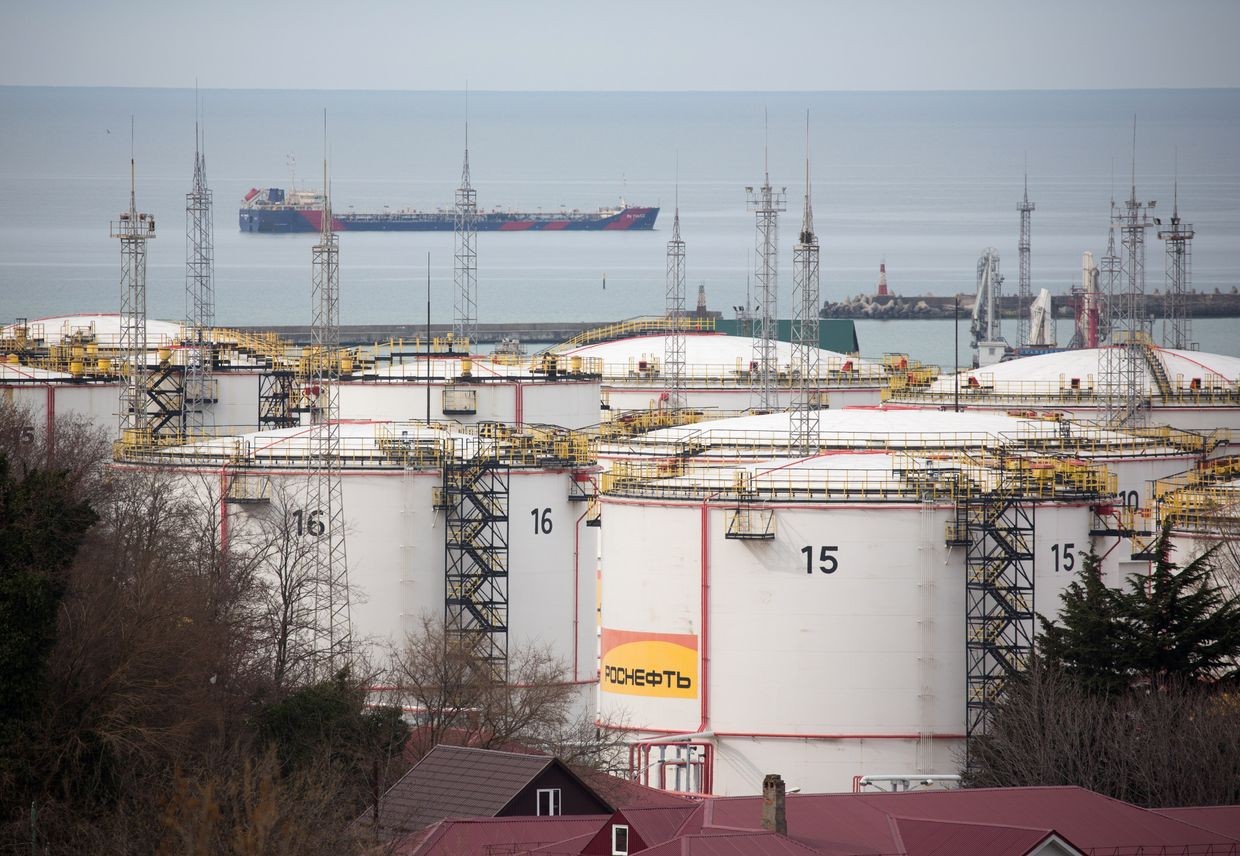
Among the clubs set to receive funding is Spartak Moscow, which is owned by Lukoil, Russia's second-largest oil producer.
Lukoil was sanctioned by the second Trump administration, as a means to pressure Moscow into peace talks in Ukraine, as fossil fuel revenues play a key role in sustaining Russia's war efforts. The company's output accounts for approximately 2% of global oil output.
Following the Qatar World Cup, which was held in November 2022, another Russian club, Zenit St. Petersburg, received nearly $500,000 in funding despite being owned by Gazprombank, an entity owned by sanctioned Russian gas company Gazprom.
Other clubs, including Dynamo Moscow, CSKA Moscow, Rubin Kazan, and Lokomotiv Moscow. were also paid as much as $361,000 despite their owner, principal sponsor, or director being sanctioned directly by either the United States or the EU, according to Follow the Money.
In total, Russian clubs received $1.2 million in funding from their national association, the Russian Football Union — which is itself chaired Alexander Dyukov, a Gazprom executive, personally sanctioned by the United States.
Payments to the clubs are once again expected to be divvied up following the conclusion of the 2026 World Cup.
Heleen Over de Linden, a Netherlands-based lawyer told Follow the Money that "absolutely nothing" in funding is allowed to be disbursed once "if this directly or indirectly benefits a sanctioned person or entity."
FIFA's headquarters are in Switzerland, meaning the organization is subject to the European Union's sanctions regime.
Football's governing body has previously been mired in controversy over international sanctions and banking restrictions. A separate investigation published by Follow the Money found that FIFA pressured multiple European football clubs to pay outstanding transfer fees to Russia despite concerns over potential sanctions violations.
While FIFA suspended Russia from all its competitions in 2022 following the launch of the full-scale invasion, the organization has since drawn criticism for actions related to Russia and Ukraine. In December 2024, FIFA sparked outrage when it displayed a map during the 2026 World Cup draw that excluded Crimea from Ukraine.
In 2023, FIFA also faced backlash when it lifted the ban on participation by under-17 athletes from Russia.
In February of this year, FIFA president Gianni Infantino said he supported lifting the ban on Russia's participation in international football competitions — a decision that was harshly rebuked by Kyiv.
In recent weeks, international sports bodies have gradually eased some restrictions on Russian athletes participating in international competitions after the International Olympic Committee (IOC) announced it was lifting its own prohibitions against Russia and Belarus.
In the years since the start of Russia's full-scale invasion of Ukraine, many Russian athletes who have competed as "neutral" participants international competitions have ties to the Kremlin or have expressed support for the war against Ukraine.
Meanwhile, hundreds of Ukrainian athletes and coaches have been killed by Russia's full-scale invasion, and hundreds of sports facilities have been destroyed by Russian missile and drone attacks.