EU fails to send Russia 'powerful signal' as Hungary blocks 20th sanctions package
 on Google
Editor's note: This story has been updated to include a comment from Alexander Kirk, a sanctions campaigner at the NGO Urgewald.
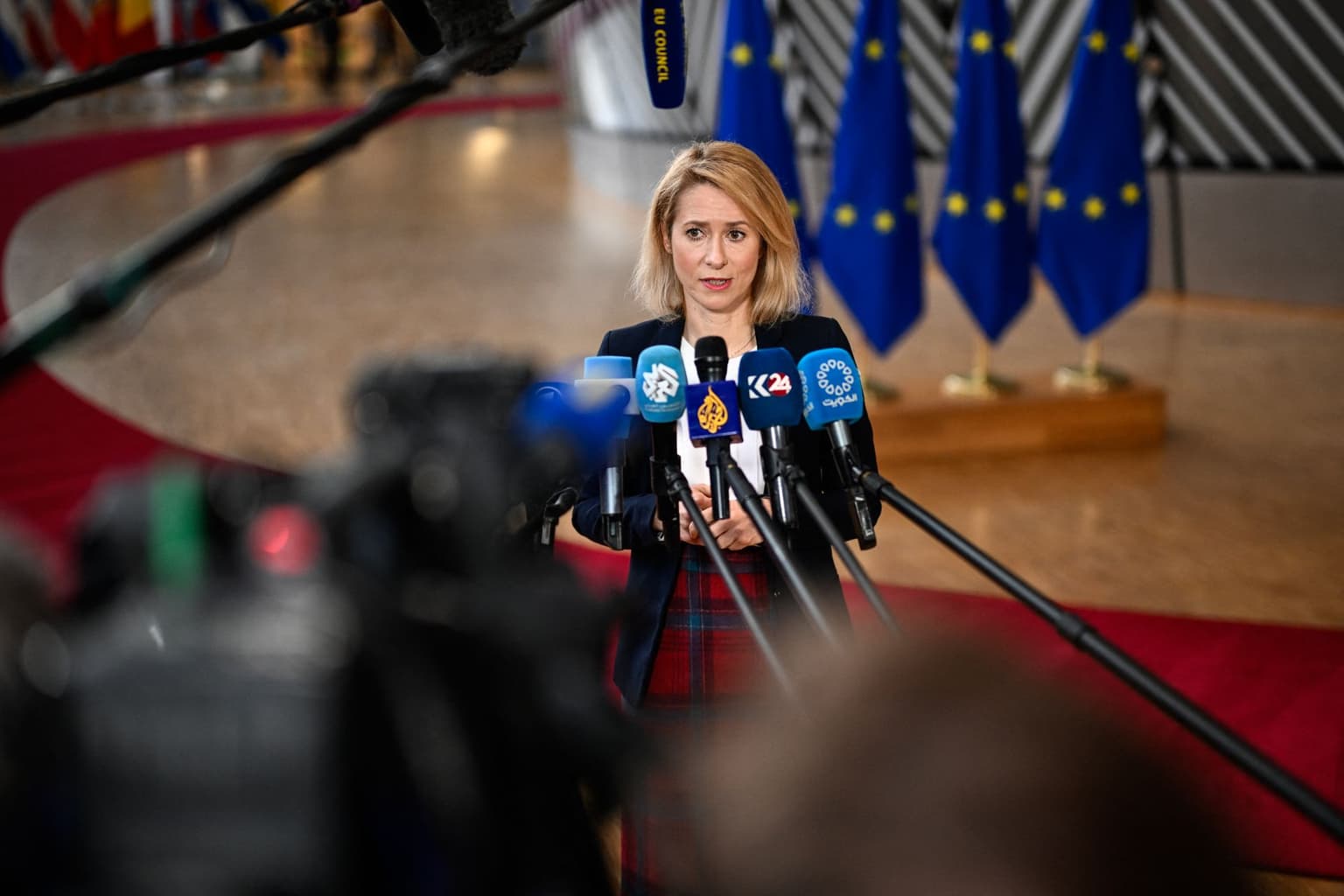
The EU failed to approve its 20th sanctions package against Russia on Feb. 23 after Hungary vetoed the measure, EU foreign policy chief Kaja Kallas said following a Foreign Affairs Council meeting.
The package was intended to send a "powerful signal" to Moscow ahead of Feb. 24, marking four years since Russia launched its full-scale invasion of Ukraine.
"Unfortunately, we did not reach an agreement on the 20th sanctions package," Kallas said. "This is a setback and a message we didn't want to send today, but the work continues."
The veto underscores mounting tensions between Kyiv, Budapest, and Bratislava over Russian oil.
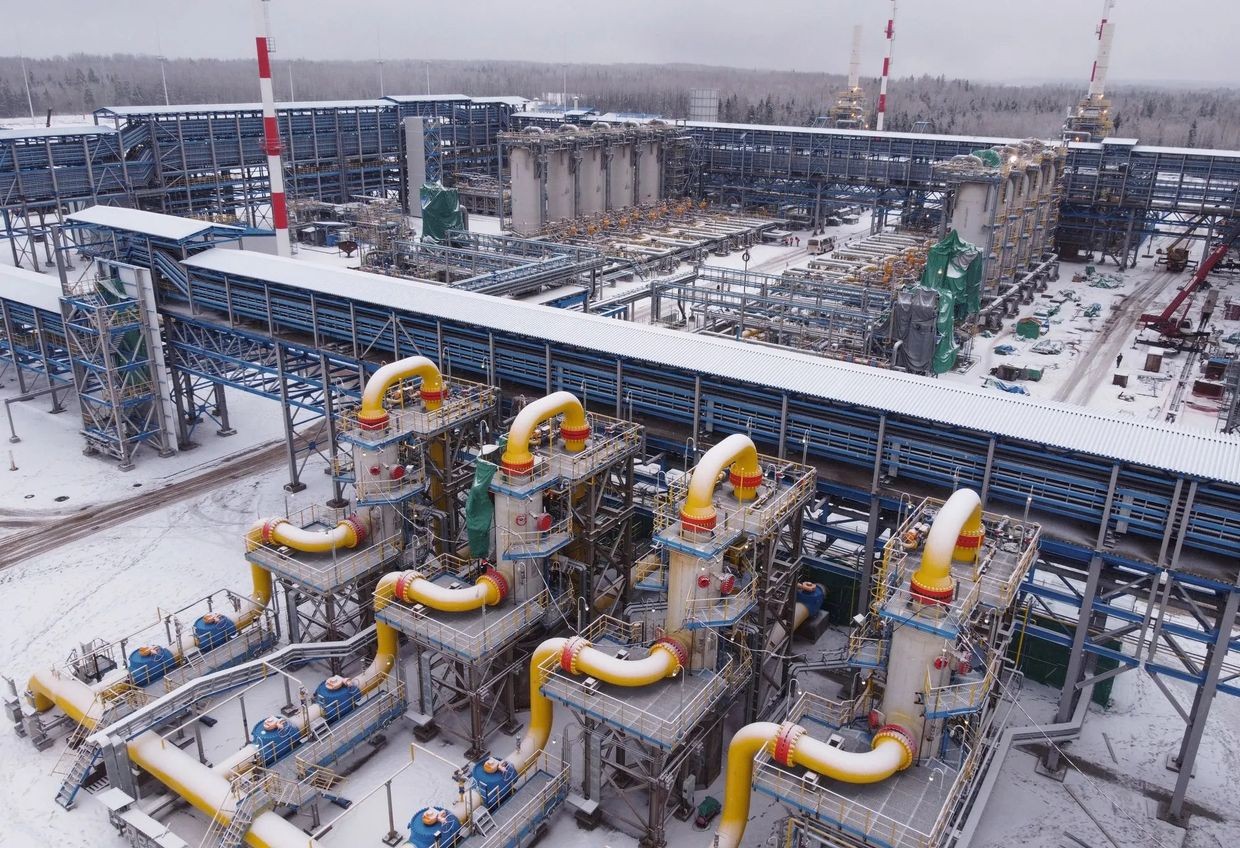
The Druzhba pipeline — a major route delivering Russian crude to Hungary and Slovakia — has been offline since late January after Russian strikes on Ukraine's energy infrastructure.
Hungary and Slovakia accused Ukraine of delaying repairs, a claim Kyiv rejected on Feb. 21. In response, Budapest pledged to block the adoption of new sanctions until supplies are restored.
"Ukraine behaves in a very hostile manner towards Hungary. Please ask Ukrainians why they have stopped the oil deliveries," Hungary's Foreign Minister Peter Szijjarto said ahead of the session, overlooking that the pipeline had been halted by a Russian attack.
The proposed measures, unveiled by the European Commission on Feb. 6, targeted Russia's energy, financial, and trade sectors. Commission President Ursula von der Leyen presented the package as part of broader efforts to curb Moscow's ability to finance its war.
A key measure included a full ban on maritime services for Russian crude oil, coordinated with G7 partners. The move would bar European companies from providing shipping, insurance, and financing for transporting Russian oil, regardless of price.
The package also sought to expand restrictions on Russia's so-called shadow fleet by sanctioning 43 additional vessels and banning maintenance services for LNG tankers and icebreakers.
Further measures targeted Russia's banking sector, including sanctions on 20 regional banks, restrictions on crypto-related channels used to bypass sanctions, and penalties for third-country banks facilitating illicit trade.
Additional export bans would cover goods ranging from rubber and tractors to cybersecurity tools, while import restrictions would apply to metals, chemicals, and critical minerals.
The proposal also included tighter controls on technologies used in Russia's war effort.
All EU sanctions require unanimous approval from the bloc's member states to enter into force.
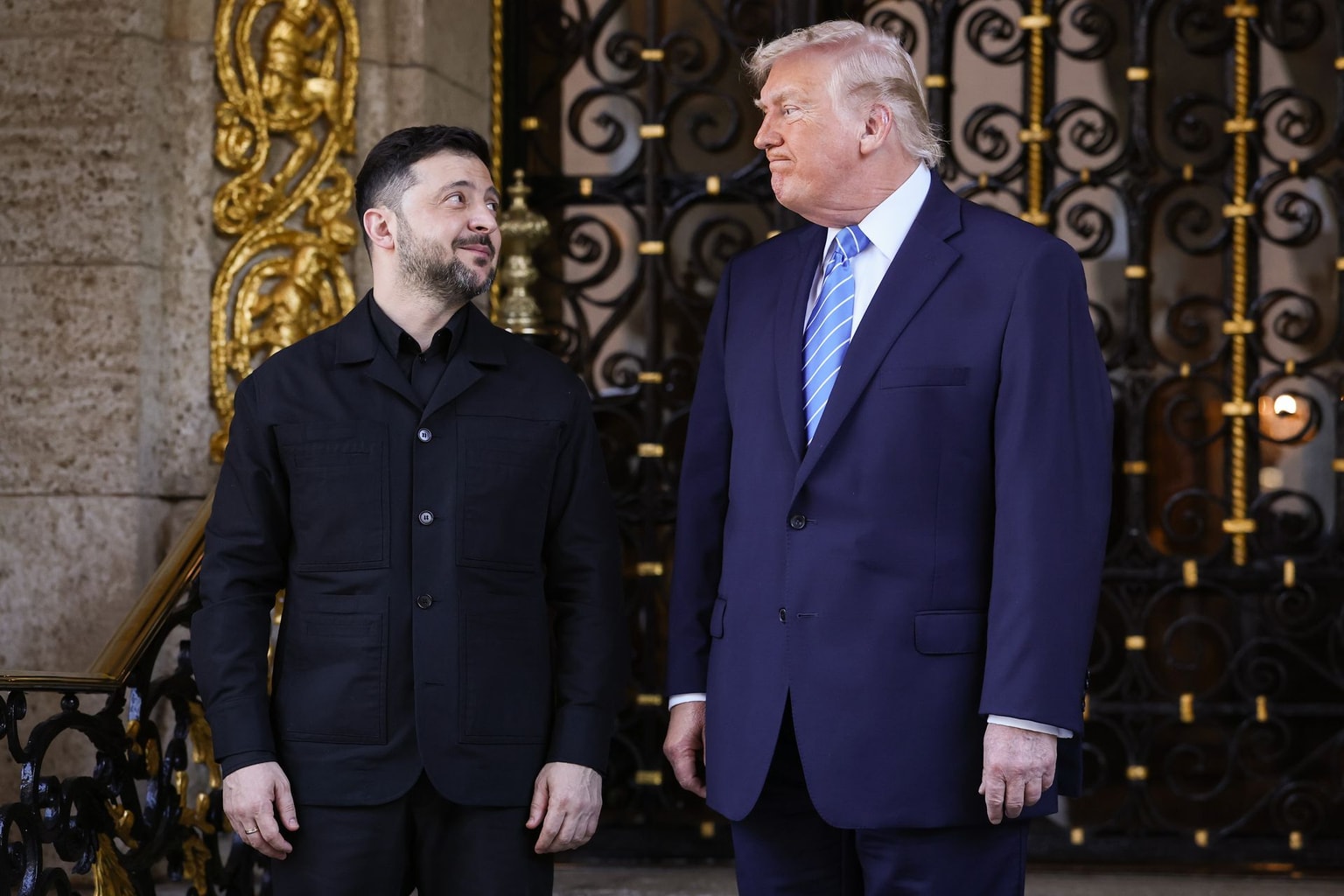
Budapest also blocked a planned 90 billion euro ($107 billion) EU loan for Kyiv.
Alexander Kirk, a sanctions campaigner at the NGO Urgewald, sharply criticized Hungary's move, describing it to the Kyiv Independent as "effectively treason to European security."
"Instead of showing strength and solidarity, Orban has acted as a weak leader, shielding the Kremlin," Kirk said. "Delaying sanctions does not advance peace. It advances Putin's war."
"Europe cannot allow its collective security to be held hostage by one government's obstruction."
During the Foreign Affairs Council meeting, member states nonetheless agreed to extend existing sanctions against Moscow until Feb. 24, 2027.
European Commission spokesperson Anna-Kaisa Itkonen said on Feb. 20 that the bloc "would welcome" Ukraine resuming operations on the pipeline, but added that the final decision rests with Kyiv, given the ongoing security risks posed by Russian attacks.