European lawmakers push to remove Putin interpreter from Hungary election observation mission
 on Google
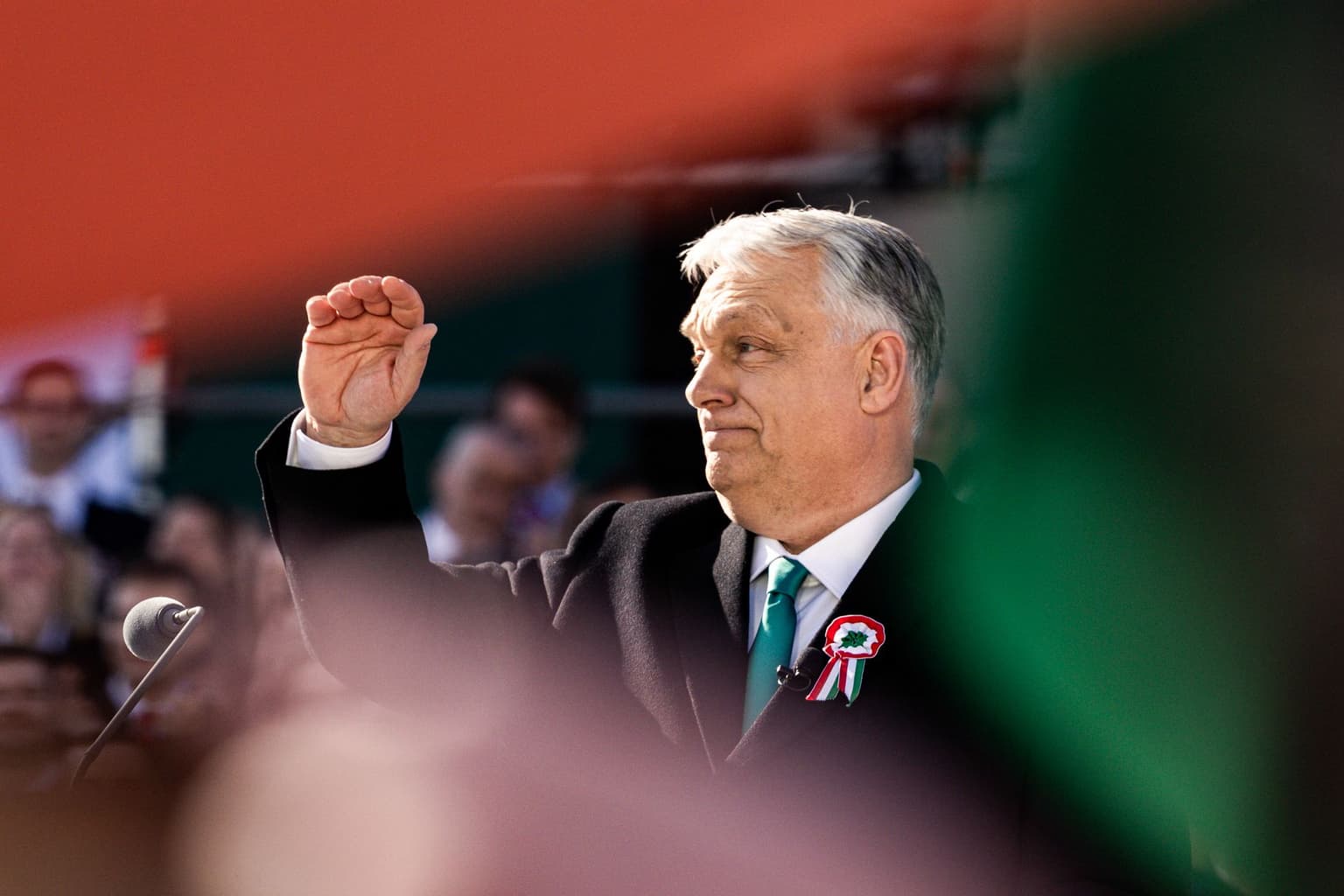
A cross-party group of members of the European Parliament called for the removal of a former Kremlin interpreter from an OSCE mission set to independently monitor Hungary's April 12 election, for which they have been rebuked by the President of the OSCE's Parliamentary Assembly.
The open letter, signed by 56 MEPs and made public on April 6, raises "grave concerns" about Daria Boyarskaya, a former personal interpreter for Vladimir Putin, participating in the mission.
"Individuals entrusted with such roles undergo stringent security vetting by Russian authorities and are considered highly reliable by the Russian state," the letter warns.
The signatories also point to reports that suggest Boyarskaya has ongoing ties to the Russian state, having been "designated an undesirable person" by Poland's Internal Security Agency.
Russia is reported to have dispatched a team to Budapest to sway the election in favor of Hungarian Prime Minister Viktor Orban. At the same time, opposition leader Peter Magyar suggested Russian involvement could have been behind an alleged plot to sabotage a key gas pipeline going into Hungary.
The Organization for Security and Cooperation in Europe (OSCE) sends observation missions to elections in all European countries, with observers drawn from a range of countries.
President of the OSCE Parliamentary Assembly Pere Joan Pons Sampietro wrote back to the letter's signatories, reaffirming trust in "every member of our staff … unless and until it is demonstrated that they have breached the Code of Conduct," and ruled out taking any action vis-à-vis Boyarskaya.
He then also called into question the motives of the letter's signatories, saying "I will not tolerate public vilification, and particularly not targeted attacks against staff — especially women — without solid evidence."
That response did not sit well with the letter's lead signatory, Green MEP Daniel Freund, who expressed his disappointment in remarks to the Kyiv Independent.
"It misses the core of the problem: civil society and the opposition are refusing to meet with the election observers as long as a close associate of Putin is part of the mission. Under these circumstances, election observation cannot function properly," Freund said.
He also criticized Pons Sampietro for dismissing the concerns raised "so casually," at a time when Europe is "witnessing a form of Russian influence in an EU member state that has not been seen at this level of intensity before."