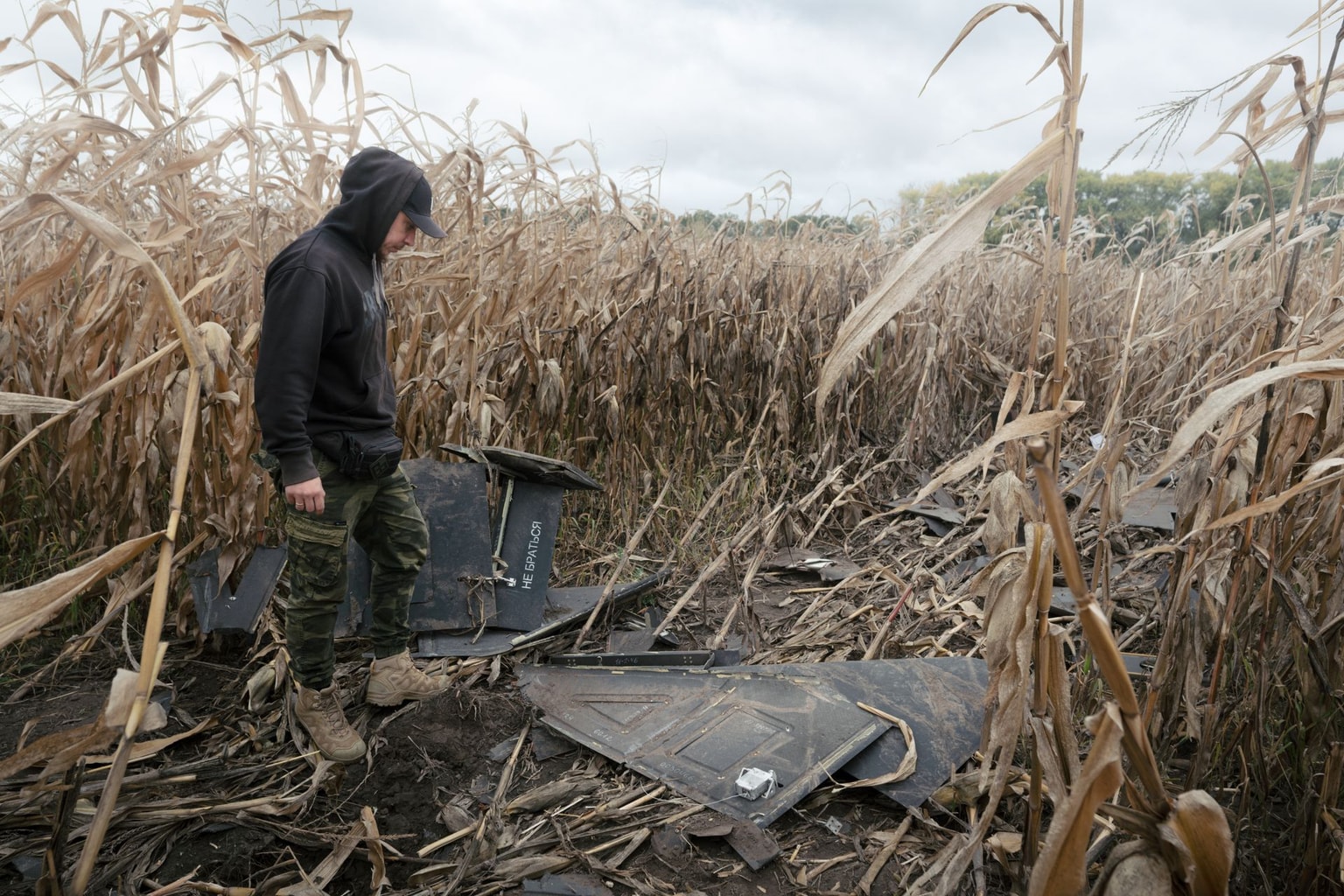
News from occupied Ukraine: Crimea faces electricity shortages, summer camp suspensions after Ukrainian strikes
 on Google

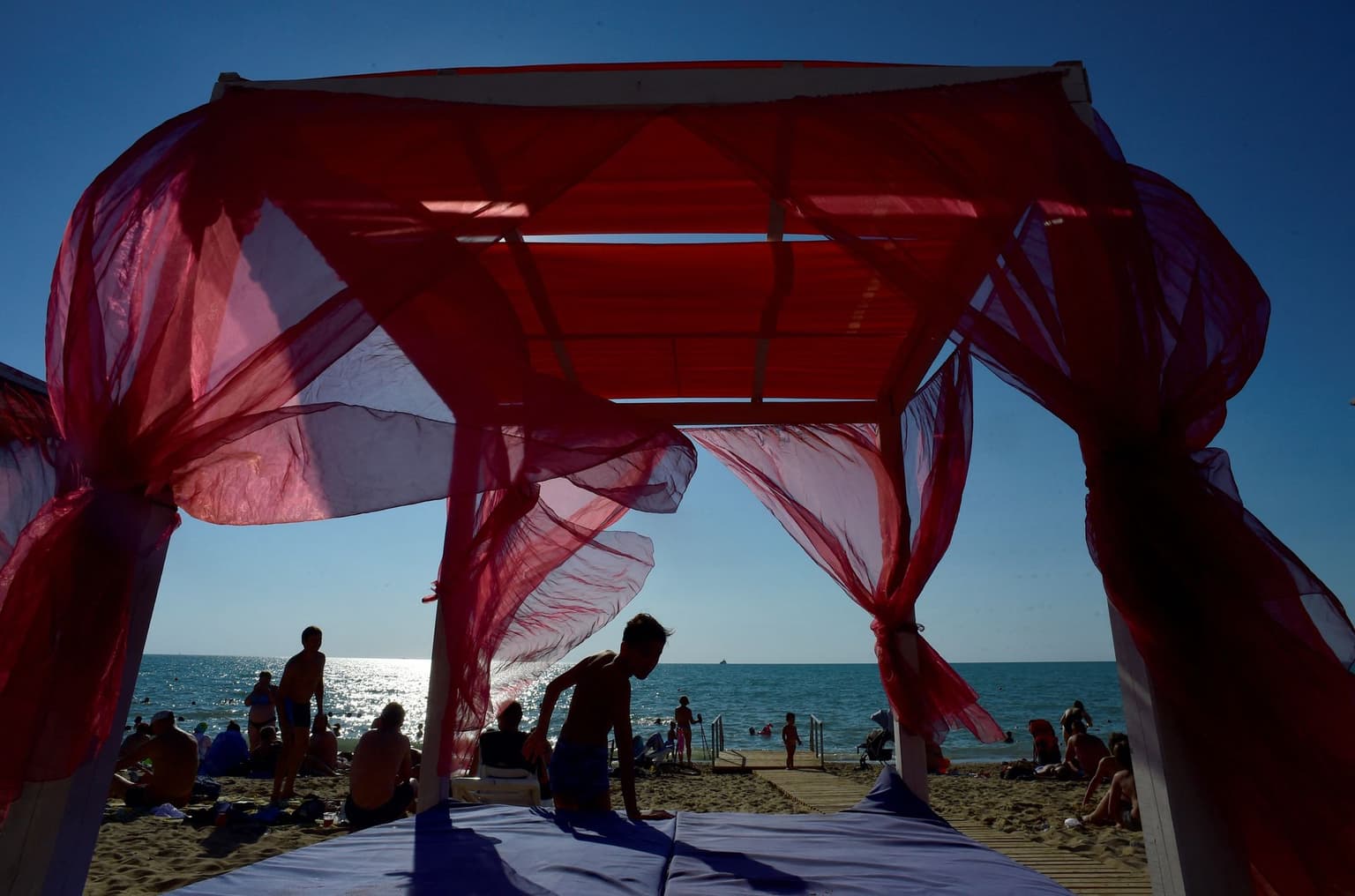
This weekly update from the Kyiv Independent aims to shed light on the situation facing Ukrainians living under Russian occupation and the ever-tightening control of information imposed by the Kremlin.
Key news as of June 27:
- Russian-installed authorities in occupied Crimea announce state of emergency amid intensified Ukrainian drone attacks
- Ukrainian strikes hit energy, oil infrastructure in Russian-occupied Crimea as power outages continue, military confirms
- Ukraine destroys key logistics bridge in Crimea, hits over 60 Russian military targets overnight
- Summer camps in Crimea suspended amid Ukrainian strikes on Russian logistics
- Russia has illegally shipped nearly 90,000 tons of wheat through occupied Mariupol port in 2026, Ukraine says
- Ukraine brings back more than 40 children from Russian-occupied territory in two weeks
Russian-installed authorities in Crimea announced a regional state of emergency on June 26 as Ukraine ramped up its long-range drone strike campaign on its occupied peninsula.
"The decision was made primarily to resolve issues of an economic nature," the Russian proxy leader in Sevastopol, Mikhail Razvozhayev, said in his June 26 Telegram statement.
"The legal regime of the state of emergency makes it possible to resolve issues of stable functioning of all spheres on which people's livelihoods depend as quickly as possible."
The measure comes a few days after large-scale Ukrainian drone strikes that hit a railway bridge across the North Crimean Canal, fuel facilities, and military infrastructure across occupied Crimea.
The attacks are part of Ukraine's broader effort to disrupt Russian military logistics in occupied Crimea, which has intensified in recent weeks. It is difficult to independently analyze the effect of the strikes on the Russian army's operations in southern Ukraine.
Ukrainian strikes hit energy, oil infrastructure in Russian-occupied Crimea as power outages continue, military confirms
Ukraine launched a large-scale attack on Russian-occupied Crimea overnight on June 25, striking energy and oil infrastructure as well as military facilities across the peninsula, Robert "Madyar" Brovdi, commander of Ukraine's Unmanned Systems Forces, said.
The latest attack comes as the peninsula's energy grid has come under strain in recent days after Russian proxy authorities said widespread power outages in occupied Crimea on June 23 left approximately half of the peninsula without electricity.
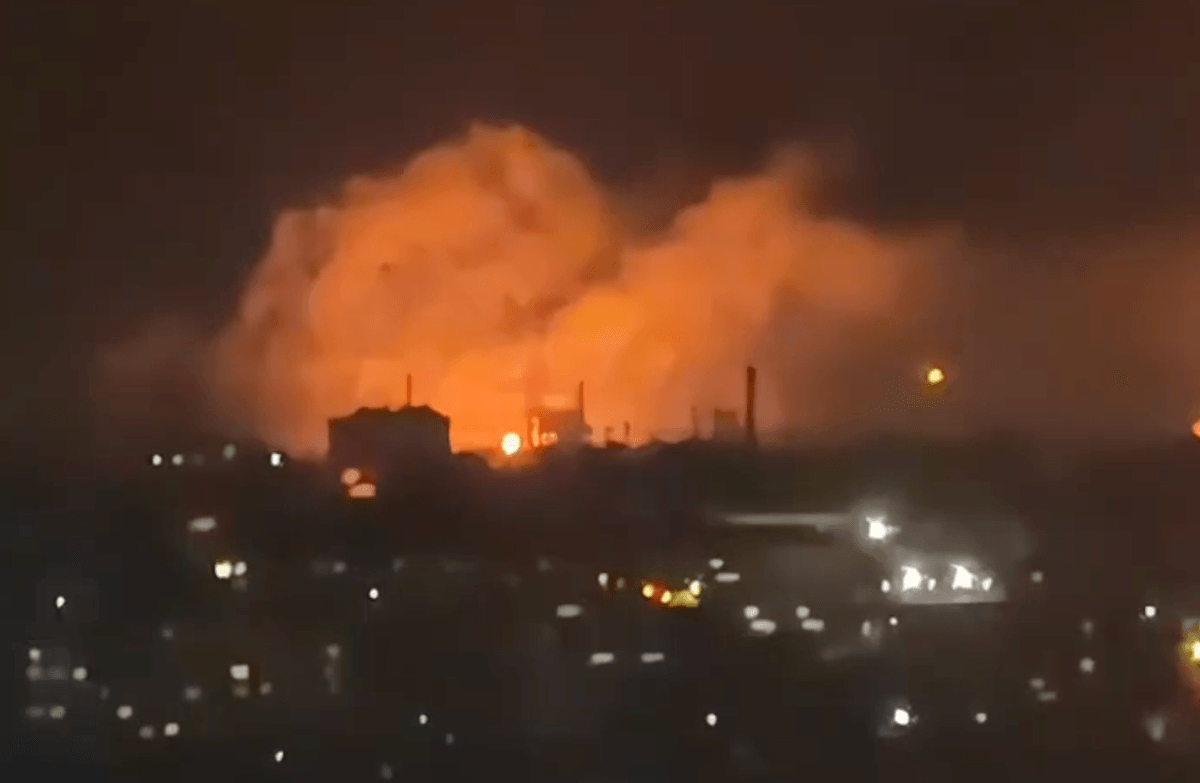
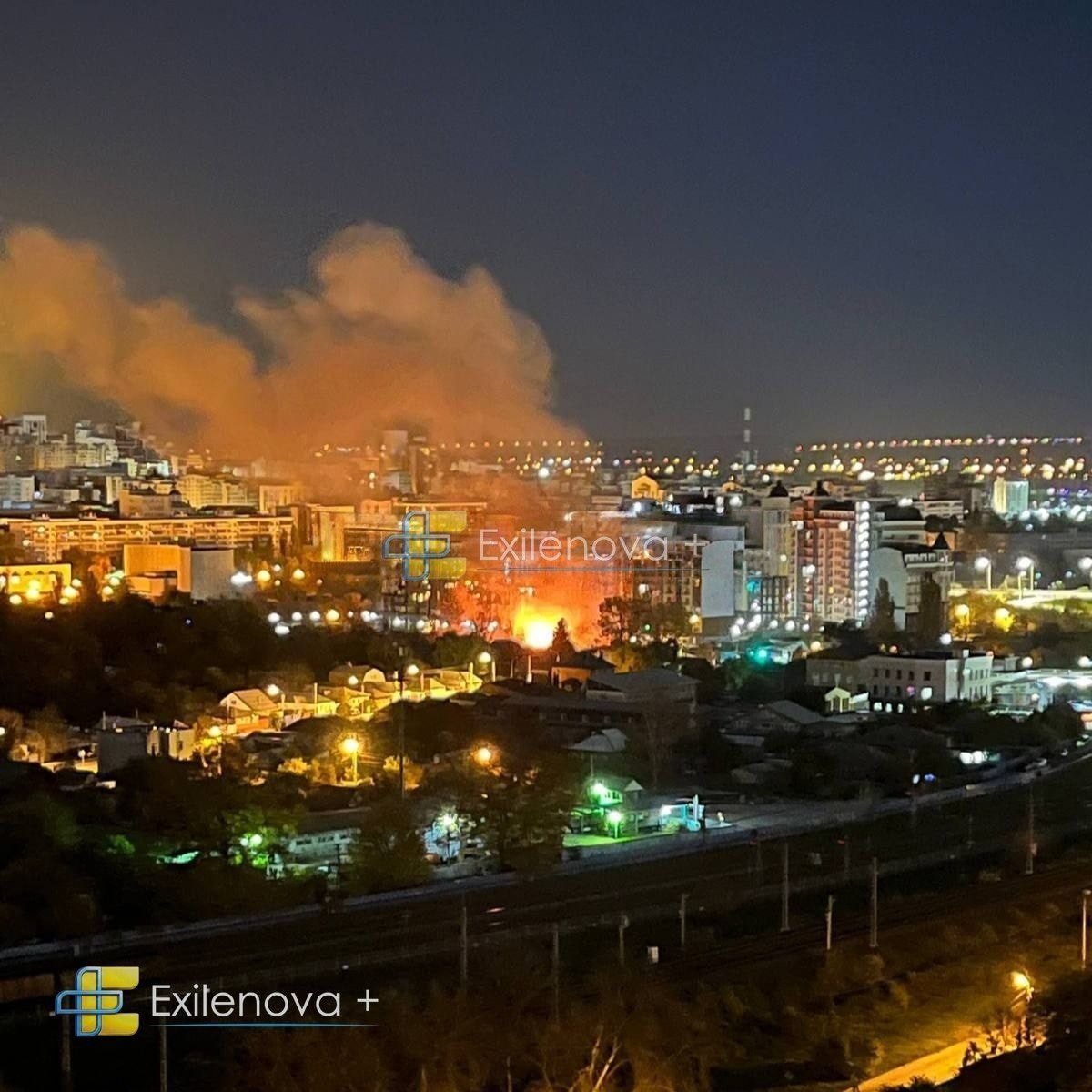
Videos posted to social media purport to show a widespread power outage in the city of Simferopol following a reported drone strike. While photos purport to show parts of the city of Yalta without power following a reported attack on a substation in the area.
Explosions were also heard near the Balaklava Power Plant in Sevastopol, the Crimean Wind Telegram channel reported.
Ukrainian forces targeted 38 sites across occupied Crimea during a large-scale overnight attack. The targets included the Tavriya Thermal Power Plant in Simferopol, an oil depot in Dzhankoi, two gas compressor stations, two electrical substations, three coastal radar stations, and a ZU-23-2 anti-aircraft twin-barreled autocannon, according to Brovdi.
Mikhail Razvozhayev, the Russian-installed head of Sevastopol, said temporary electricity restrictions were introduced in the city due to strain on the power system. Yet scheduled power outages in Sevastopol are not in effect.
"I ask for your understanding regarding these temporary difficulties. As soon as we receive the order to lift the restrictions, power will be fully restored," Razvozhayev said.
Power disruptions also affected water supplies. Authorities in occupied Yevpatoria introduced hourly water restrictions after outages forced wells offline and reduced reserves at a local pumping station, Russian state-controlled media Kommersant reported on June 24.
Before Russia's illegal annexation and occupation of Crimea in 2014, the peninsula relied on mainland Ukraine for over 80% of its electricity. Russia constructed and modernized multiple thermal power plants to enable Crimean energy independence — but these facilities remain vulnerable to Ukrainian drones.
Ukraine destroys key logistics bridge in Crimea, hits over 60 Russian military targets overnight
A railway bridge across the North Crimean Canal, fuel facilities, and military infrastructure across occupied Crimea were struck in a large-scale overnight Ukrainian operation, Ukrainian military officials said on June 23.
Ukraine's Special Operations Forces struck the railway bridge across the North Crimean Canal in the settlement of Razdolne overnight on June 22 for the first time, targeting a key route used to transport heavy cargo, including supplies for the Russian army. The strike destroyed part of the rail line and caused one of the bridge spans to collapse, the statement read.
After railway repair equipment arrived at the site, Ukrainian forces, together with members of local pro-Ukrainian resistance networks, carried out a second phase of the operation. On the night of June 23, Special Operations Forces drones struck both the repair equipment and the remaining sections of the damaged bridge.
"The railway bridge across the North Crimean Canal in Crimea no longer exists," the statement read.
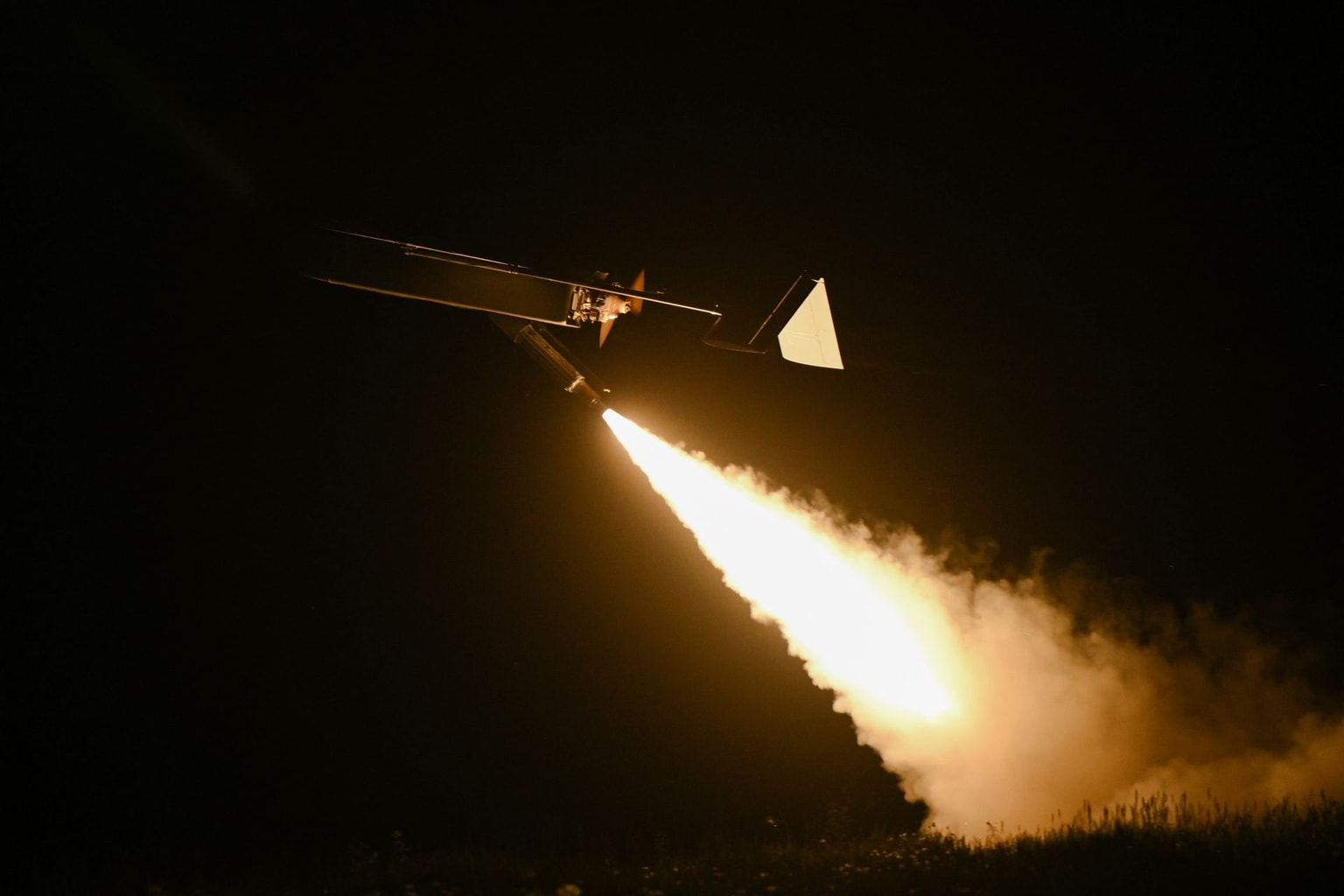
In the latest overnight attack on June 23, Ukraine also hit more than 60 Russian military targets in occupied Ukrainian territories using medium-range drones capable of striking targets at distances of approximately 30 to 200 kilometers (20 to 120 miles), Unmanned Systems Forces Commander Robert "Madyar" Brovdi said.
read also
Summer camps in Crimea suspended amid Ukrainian strikes on Russian logistics
Russian-installed authorities in occupied Crimea have suspended operations at children's summer camps across the peninsula until early September, citing security concerns, occupation head Sergey Aksyonov announced on June 22.
Children currently staying at camps across Crimea will be sent home, according to Aksyonov.
The suspension comes as Ukrainian strikes on Russian military infrastructure in Russian-occupied Crimea and occupied parts of southern oblasts have intensified in recent months, causing transport disruptions and fuel and food shortages.
A day before the announcement, Russian media outlet Ostorozhno Novosti reported on June 21 that arrivals to the "Artek" children's camp, one of the most prominent youth camps in occupied Crimea, had been suspended.
According to the outlet, some children had already crossed the Kerch Bridge, which connects Russia to the Crimean Peninsula, before being told to return.
"My children crossed the bridge, had a meal (in Crimea), and then were turned back," one parent told the publication.
Children and accompanying adults traveling to Crimea were ordered to return to their places of residence, the outlet wrote on June 22. Those who had already reached Kerch or were traveling onward to Simferopol, Crimea's second-largest city, were to be temporarily accommodated before being sent home.
Before the illegal annexation of Crimea in 2014, "Artek" was a Ukrainian children's camp, but after the occupation of the peninsula, Russia took control of it.
Russia has illegally shipped nearly 90,000 tons of wheat through occupied Mariupol port in 2026, Ukraine says
Russia has shipped 88,800 metric tons of wheat through the occupied port of Mariupol since the start of 2026, Mariupol's city council in exile said on June 23.
Twelve vessels transported wheat through the Russian-occupied port of Mariupol over the past five months, according to the statement, which cited Russia's Federal Service for Veterinary and Phytosanitary Surveillance (Rosselkhoznadzor).
Since the start of Russia's occupation, the Russian-installed authorities in Mariupol have worked to restore the port for large-scale grain exports from occupied Ukrainian territories.
Moscow intended to use the port as a gateway through the Volga-Don Canal to the Caspian Sea and, via the Black and Mediterranean seas, to the Atlantic and Indian oceans, according to the council's statement.
The port's operations were later disrupted by Ukraine's missile strike campaign targeting Russian logistics, the National Guard's 1st Azov Corps said on June 10.
According to the corps, the strike hit electrical substations, radar systems, repair facilities, a control tower, fuel storage tanks, and the sanctioned cargo vessel Lady Augusta, a vessel linked to Russia's shadow fleet.
The current operational status of the port remains unclear.
Mariupol is one of Russia's most important logistics hubs in occupied southern Ukraine, serving as a key link between occupied Donetsk Oblast, Crimea, and Russia. Mariupol's port has been used to transport military cargo and support Russian operations along the southern front.
Ukraine brings back more than 40 children from Russian-occupied territory in two weeks
Ukraine has brought back 42 children and teenagers from Russian-occupied territories to areas under its control in recent weeks, Save Ukraine, a Ukrainian humanitarian NGO, said in statements on June 23 and June 15.
"However, thousands of children remain trapped under occupation, where they are forced to forget their roots and are openly being prepared for war. But we will not stop," a June 23 statement on social media read.
Among the 15 children rescued over the past week was 13-year-old Sofia, who had to hide at home every day so the Russian occupation authorities would not discover that she was refusing to attend a school under Russian rule. Her family constantly received threats that Sofia would be taken away and placed in a boarding institution, Save Ukraine said.
Dmytro, 17, attended a school where Russian soldiers dressed in Ukrainian uniforms and terrified children with threats of execution, the organization said. It added that despite serious heart problems, Dmytro was forced to register for military service in the Russian army.
Dmytro is one of the children brought back to Ukrainian-controlled territory two weeks ago, along with 27 others.
Save Ukraine did not specify from which regions the rescued children came.
The children were brought back with the help of partners as part of the Ukrainian President's initiative, Bring Kids Back UA.
According to Ukraine's national "Children of War" database, at least 20,000 Ukrainian children have been abducted from Russian-occupied territories and taken to Russia or Russian-controlled areas since February 2022.
Some 1.6 million remain under Russian occupation, according to Bring Kids Back UA.
Ukrainian officials estimate the real figure of abducted children could be far higher. Ombudsman Dmytro Lubinets puts the number at up to 150,000, while Presidential Commissioner for Children's Rights Daria Herasymchuk has given a range of 200,000–300,000.