Russian-occupied Mariupol port no longer operational after Ukrainian strikes, Azov Corps says
 on Google
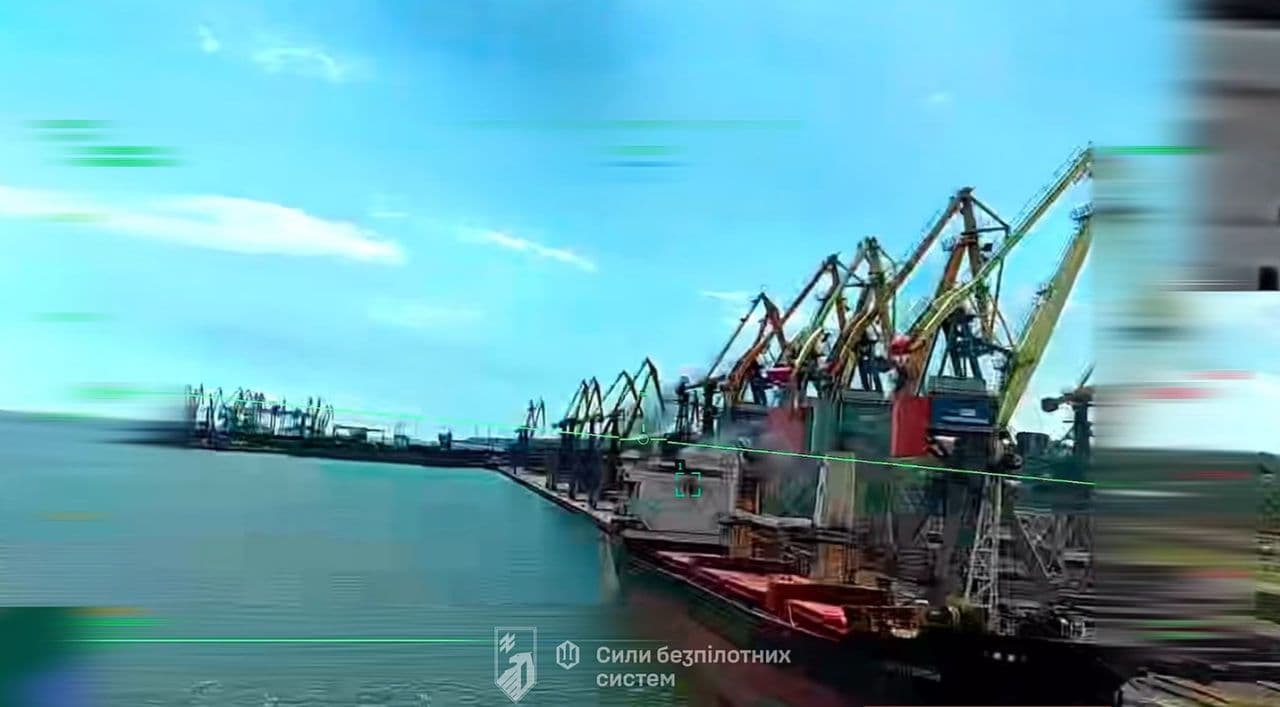
Ukrainian forces have disabled the Russian-occupied port of Mariupol, rendering the facility unusable for military logistics, the National Guard's 1st Azov Corps said on June 10.
Mariupol remains one of Russia's most important logistics hubs in occupied southern Ukraine, serving as a key link between occupied Donetsk Oblast, Crimea, and Russia. The port has been used to transport military cargo and support Russian operations along the southern front.
The strike targeted electrical substations, radar equipment, repair facilities, a control tower, fuel storage tanks, and the sanctioned cargo vessel Lady Augusta, a vessel linked to Russia's shadow fleet.
As a result of the attack, the port was left without power, significantly disrupting Russian military logistics in occupied southern Ukraine, the Azov Corps said.
The operation was carried out jointly with the Security Service of Ukraine's (SBU) regional directorate in Donetsk and Luhansk oblasts, the SBU's Alpha special operations unit, and Ukraine's Unmanned Systems Forces.
The announcement marks the latest stage in Ukraine's growing campaign against Russian logistics in occupied Mariupol. On May 8, Azov released footage showing reconnaissance and strike drones operating over roads around the occupied city, declaring its "return" to Mariupol.
According to the unit, its drones are capable of patrolling roads up to 160 kilometers (100 miles) behind the front line. On May 25, Azov published additional footage showing strikes along the Mariupol-Taganrog and Mariupol-Volnovakha highways, key Russian military supply routes in occupied territory.
Mariupol has remained under Russian occupation since May 2022, following a months-long siege that devastated the city and killed thousands of civilians. Ukrainian defenders, including fighters from the Azov Brigade, made their last stand at the Azovstal steel plant before being ordered to surrender.
Russia continues to use Mariupol as a military and logistics hub connecting occupied territories in southern Ukraine with Russia and occupied Crimea. Ukrainian forces have increasingly targeted military infrastructure in and around the city as part of a broader effort to disrupt Russian supply lines behind the front.