Chornobyl protective shield 'lost its primary safety functions' after Russian drone strike, UN nuclear agency warns
 on Google

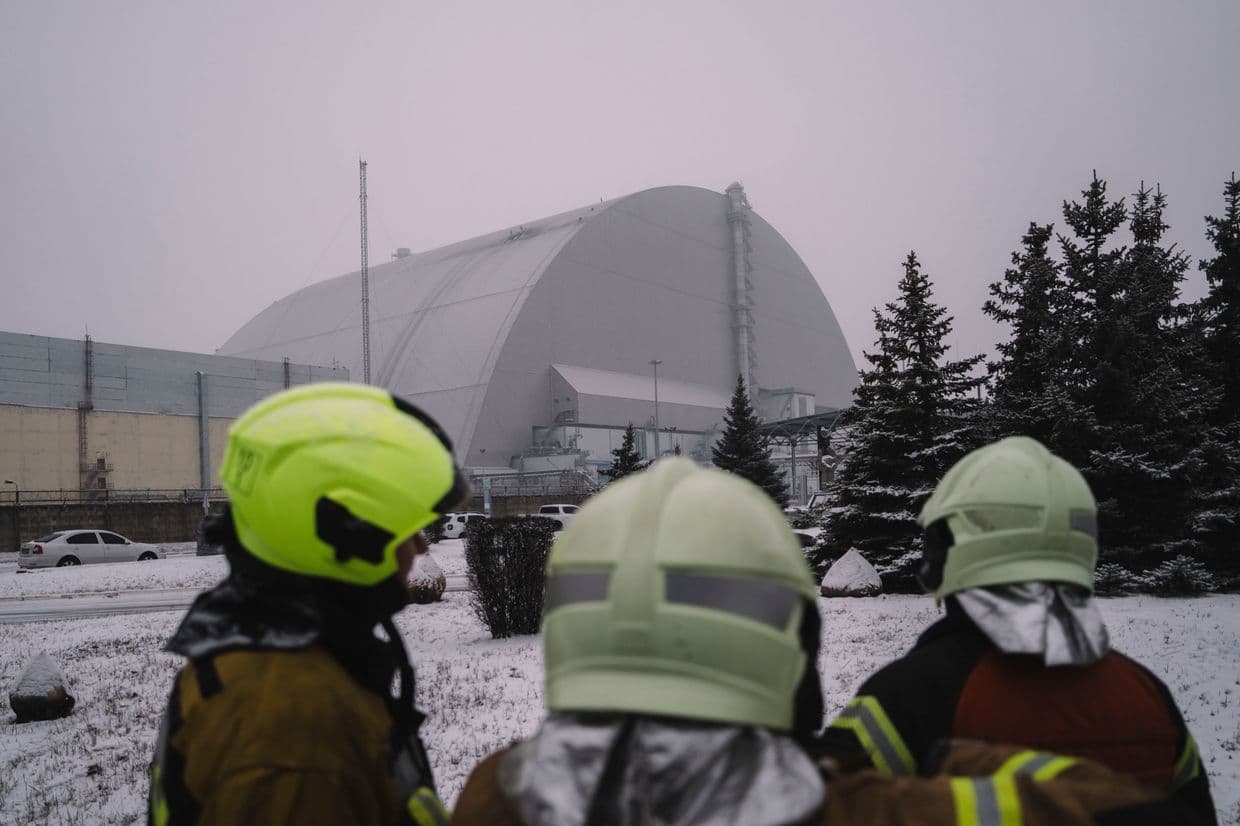
The protective shield built to prevent radiation leaking from the Chornobyl nuclear power plant needs to be repaired promptly after a drone strike earlier this year damaged the steel structure, the International Atomic Energy Agency said on Dec. 5.
Ukraine has been repairing the massive sarcophagus since the Russian drone strike on Feb. 14. However, following an assessment last week, the IAEA said that the severely damaged structure had "lost its primary safety functions, including the confinement capability."
While temporary repairs have been carried out, "timely and comprehensive restoration remains essential" to ensure Ukraine’s long-term nuclear safety, IAEA Director General Rafael Grossi said.
Further temporary repair work to the shield will begin next year with support from the European Bank for Reconstruction and Development (EBRD), clearing the path for its "full restoration" post-war.
The shield was first installed in 2019 around the destroyed 4th reactor at the plant. Back in April, the then-Environment Minister Svitlana Hrynchuk warned that the sarcophagus had partially lost its functionality and needed to be repaired to prevent leaks.
It was designed to enclose the unstable sarcophagus hastily built after the 1986 reactor explosion — the worst nuclear accident in history.

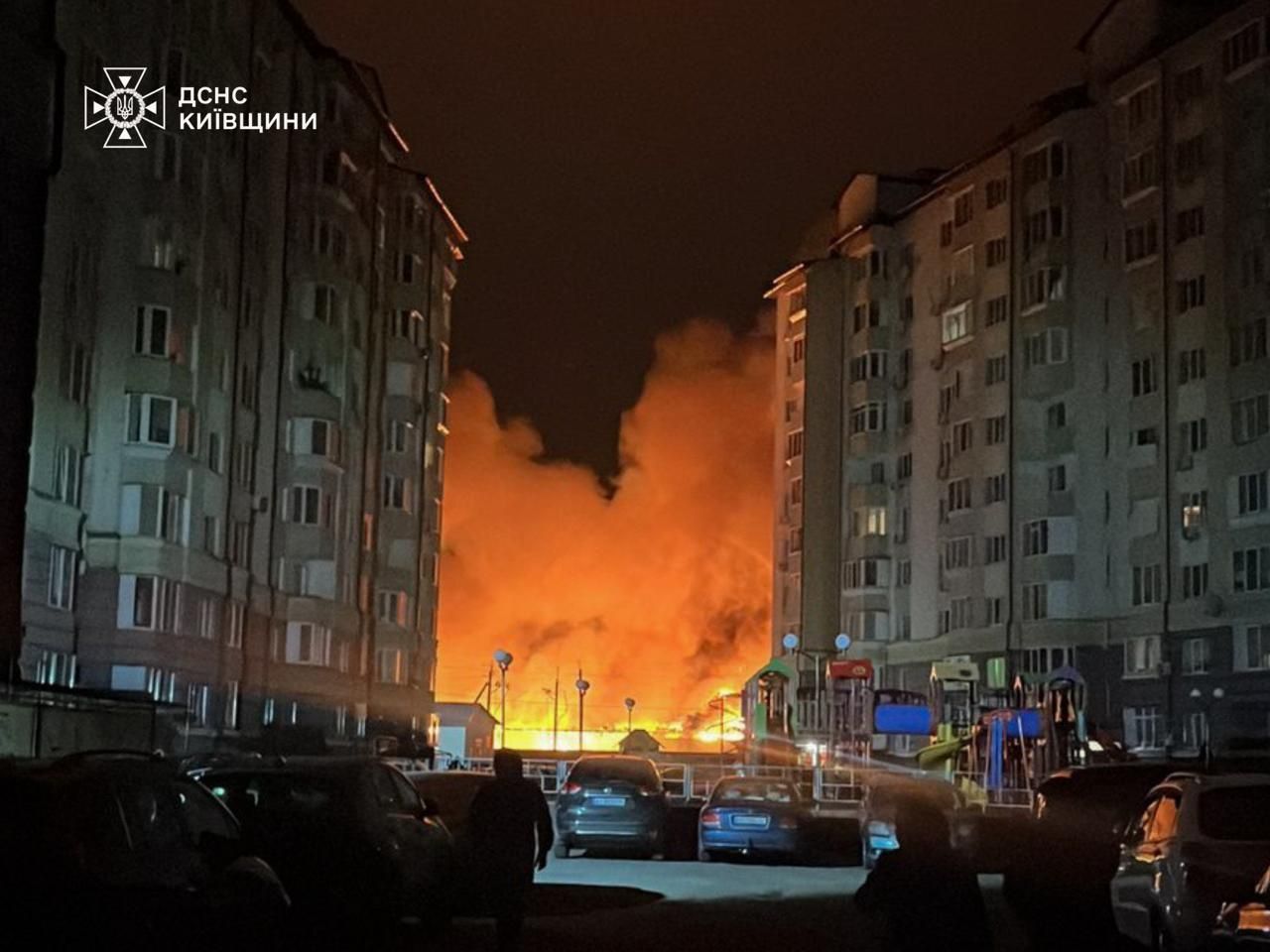
Russia’s drone strike caused a fire that burned the outer cladding of the shelter, although it did not cause a spike in radiation levels. Monitoring efforts have been in place, with an IAEA mission permanently located at the plant.
"This is a terrorist threat to the entire world," President Volodymyr Zelensky said following the February attack.
"The only country in the world that attacks such sites, occupies nuclear power plants, and wages war without any regard for the consequences is today's Russia."
The Chornobyl plant, located about 130 kilometers (80 miles) north of Kyiv and just 15 kilometers (9 miles) from the border with Belarus, was briefly occupied by Russian forces in the early days of the full-scale invasion.
They held the station's staff hostage, creating significant risks to nuclear safety.On Mar. 31, 2022, Russian troops withdrew from the station.
Russian troops continue to occupy the Zaporizhzhia nuclear plant in southern Ukraine, sparking fears of another nuclear disaster that would have devastating consequences for Ukraine and its neighbors.