Eastern Europe

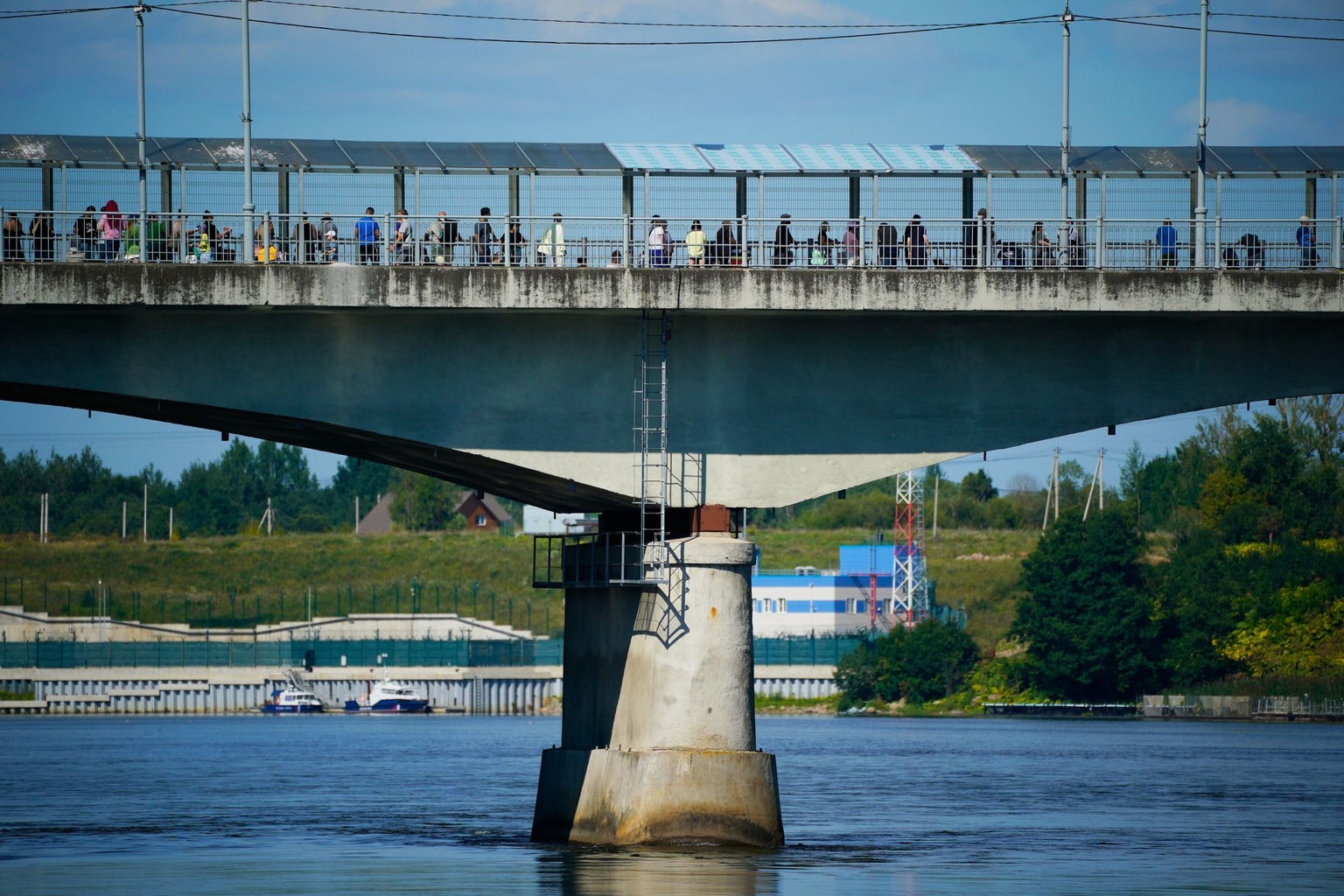
The bridge connecting Estonia with Russia is seen in Narva, Estonia, on July 24, 2024.
Eastern Europe

In Estonia’s border town, Russian-speaking majority enjoys NATO’s shield, remains mute on Russia’s threat

by Maria Yeryoma

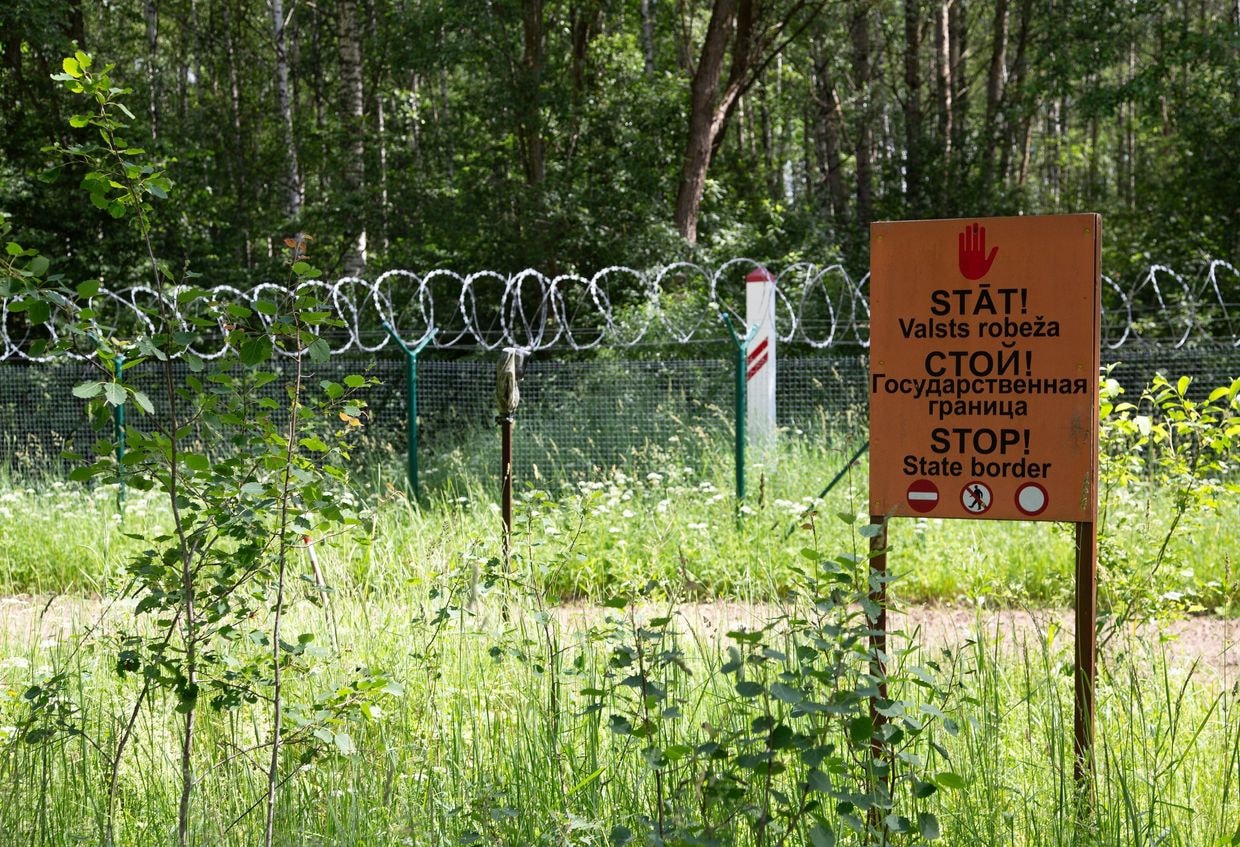
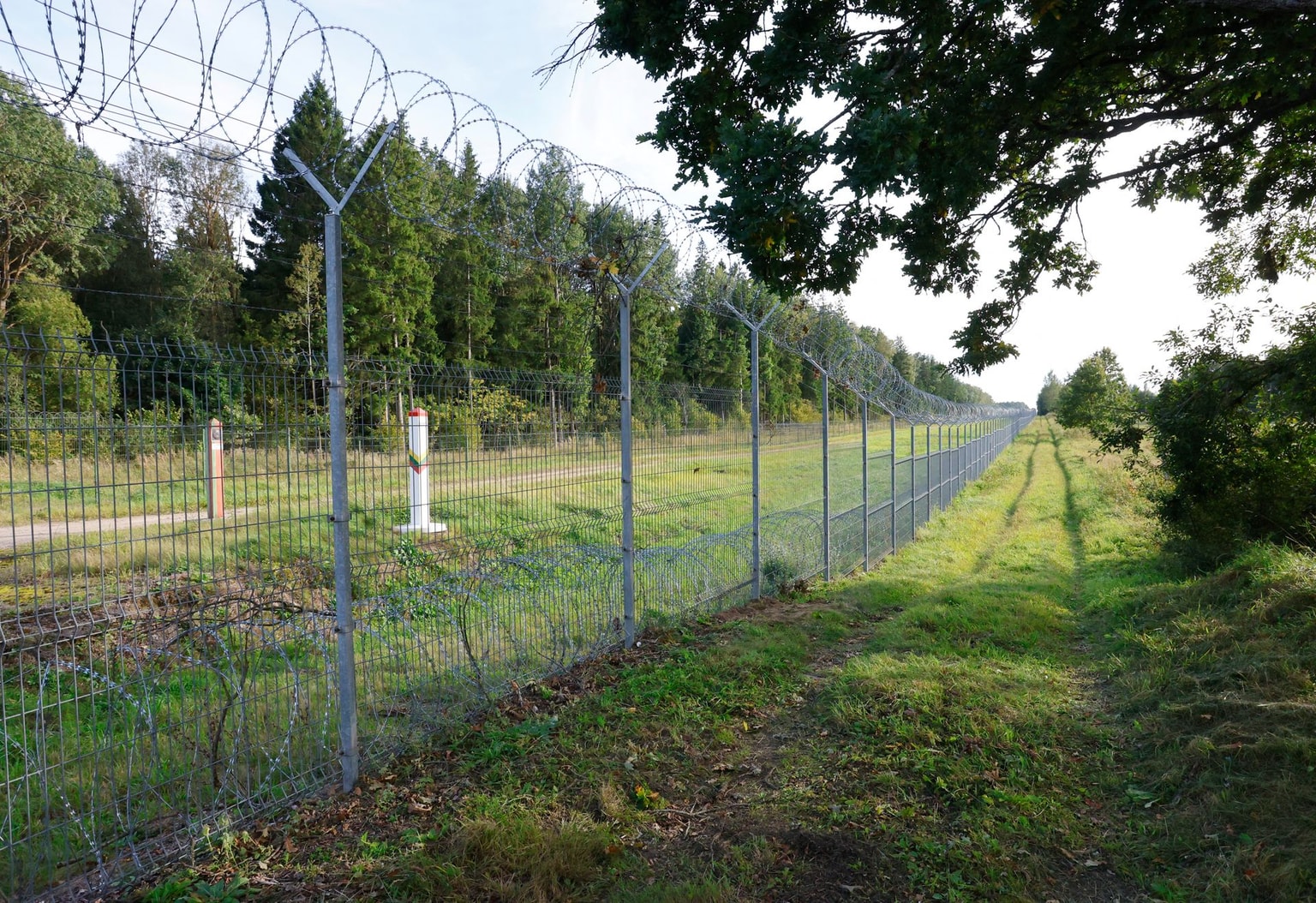
NARVA, Estonia — On both sides of the Narva River, fishermen stand knee-deep in the water between two medieval castles just 101 meters apart. Above them, the flags mark where NATO ends and Russia begins. For years, experts have been warning of the so-called "Narva scenario" — a plan in which Russia might attempt to grab an Estonian border city using its old tune, "protecting the Russian-speaking population." Following Europe's inability to handle Russia's now recurring drone incursions, the mo
News Feed

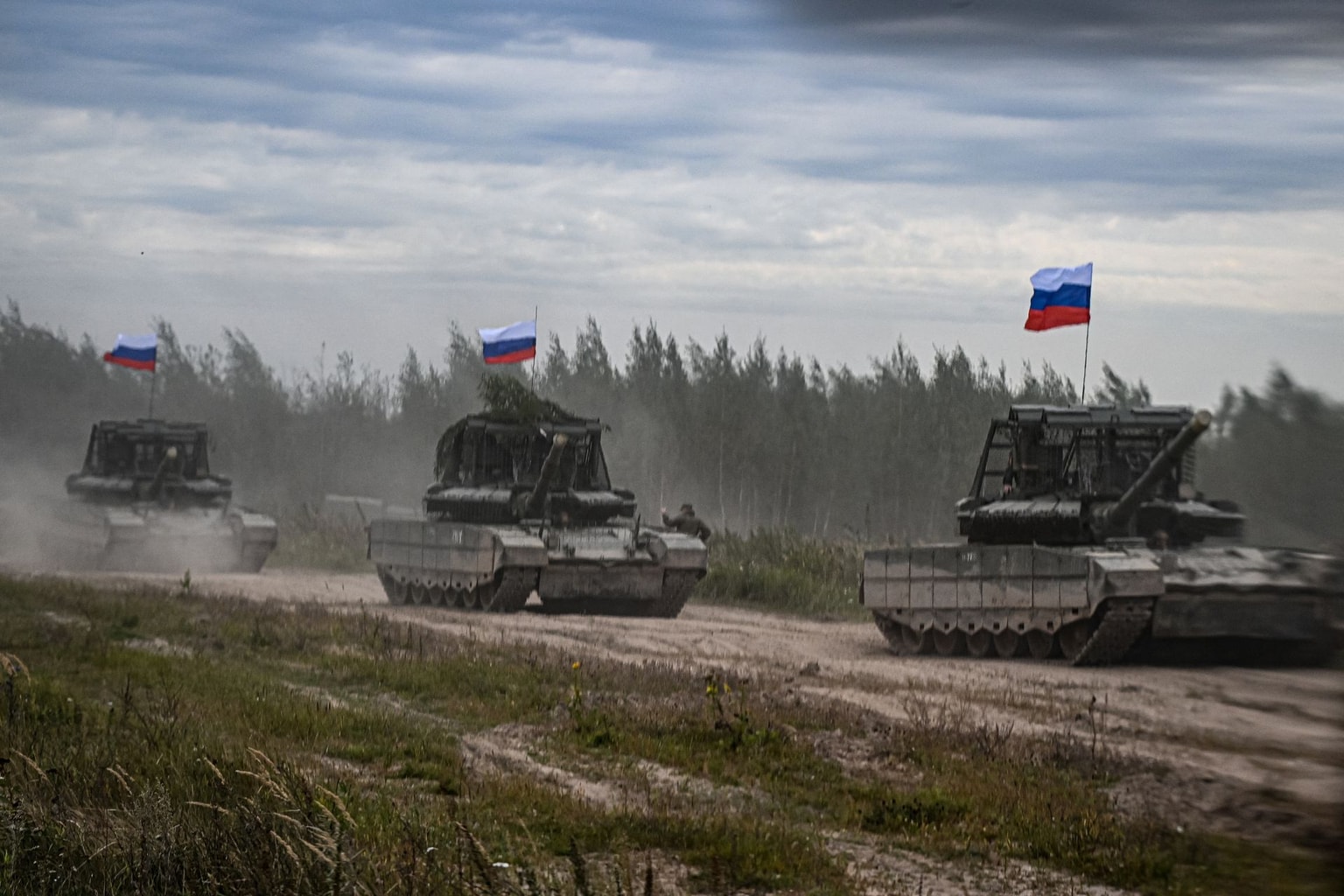
Russia's Arctic shadow war: How Moscow’s most-probed front fuels its Ukraine invasion

Norway’s Svalbard fiber optic cables — a pair carrying vital Arctic satellite data from SvalSat, the world’s largest commercial ground station — thread through waters dangerously close to Russia’s reach. The Kremlin's Nagurskoye air base on Franz Josef Land is just 260 kilometers (161 miles) from Svalbard’s shores. These cables transmit satellite signals and sensitive data that European governments, research institutions, and militaries rely on, including infrastructure bolstering Ukraine’s de

A Russian serviceman stands guard by a military truck part of the Franz Josef Land archipelago, in Russia, on May 17, 2021.

Most Popular

1.

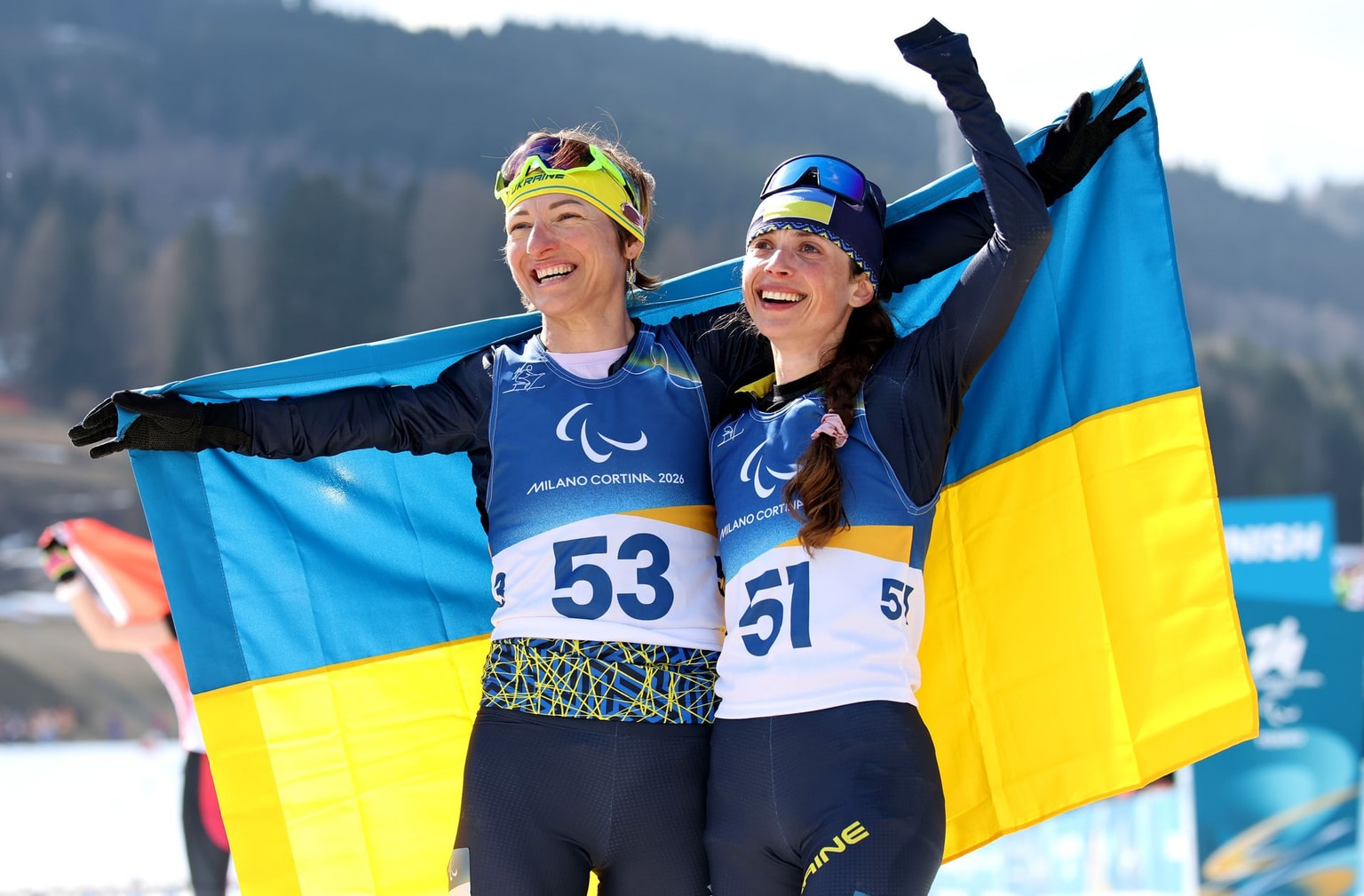
One of the most talked-about moments at the Olympics came from Ukrainian skeleton racer Vladyslav Heraskevych. After his race in Beijing in 2022, just days before Russia launched its full-scale invasion, he held up a sign reading "No war in Ukraine." But his appeal went largely unheard. Four years later, Heraskevych is preparing to represent Ukraine at the Olympic Games again — at a time when the war continues to escalate, while restrictions on athletes from Russia and Belarus are gradually be

News Feed