Zelensky orders development of support plan for Middle East allies hit by Iran strikes
 on Google
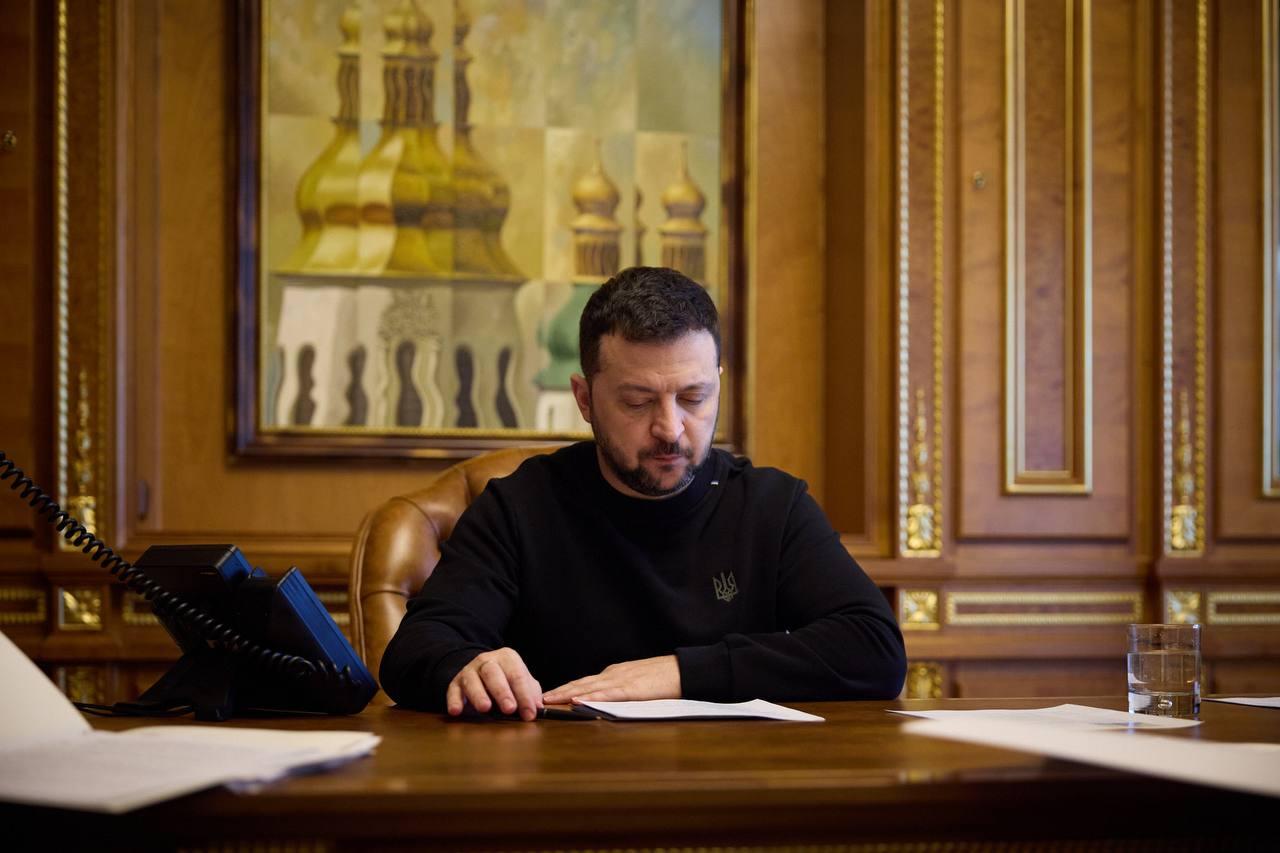
President Volodymyr Zelensky said on March 4 that he had ordered Ukraine's government to develop options to support Gulf countries facing Iranian drone and missile attacks.
"Our military has the necessary capabilities," Zelensky said. "Ukrainian experts will work on site, and teams are already negotiating this. We are ready to help protect lives, protect civilians."
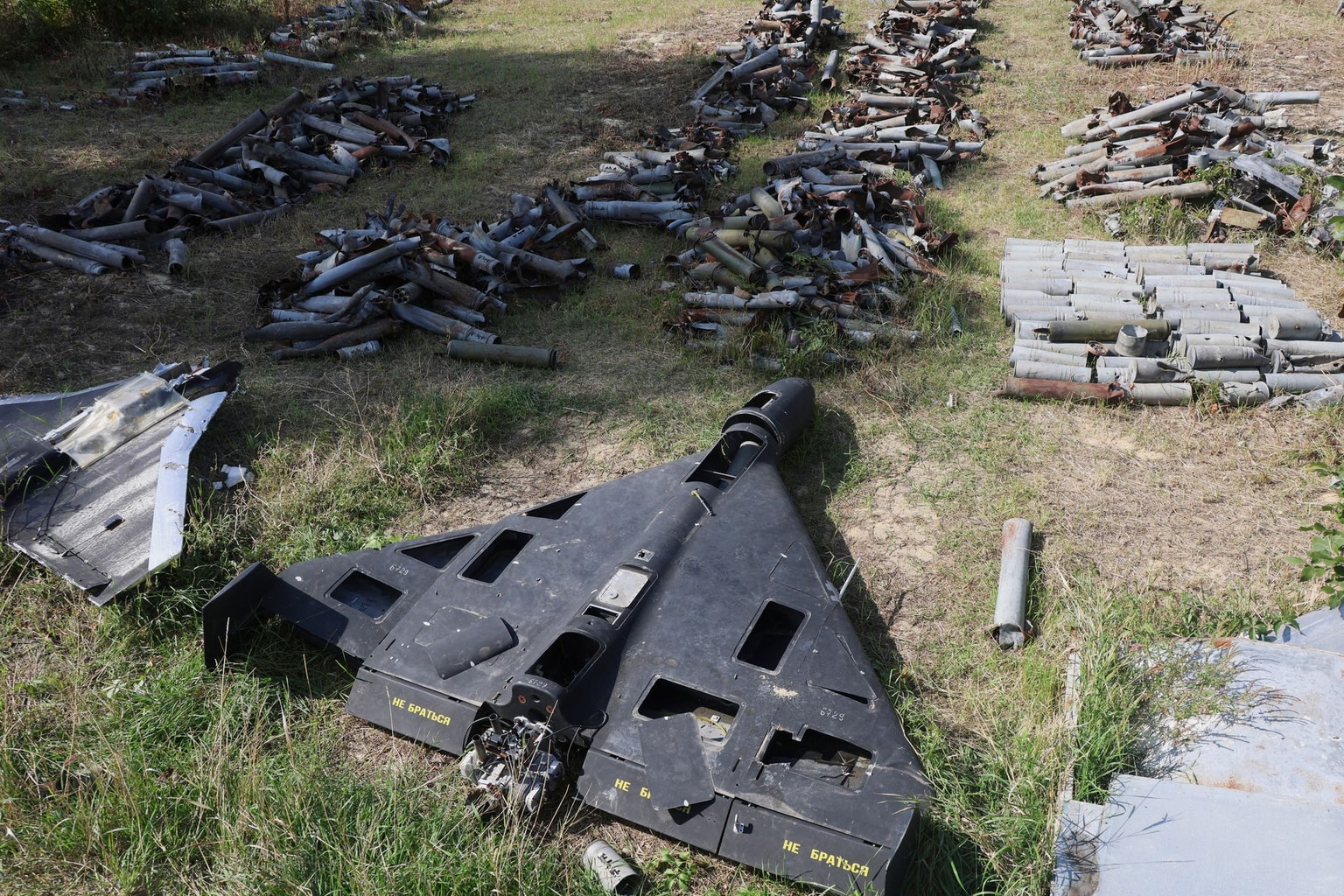
Ukraine's offer comes as Middle Eastern countries report large-scale attacks involving Shahed-type attack drones — the same systems Russia has used extensively against Ukraine since 2022.
The Ukrainian president said he had spoken with leaders of the United Arab Emirates, Qatar, Jordan, and Bahrain, and is preparing talks with Kuwait's leadership.
"All of them face a serious threat, and they speak about it openly: Iranian attack drones. The same 'Shaheds' that strike our cities and villages, our Ukrainian infrastructure," he said.
Zelensky tasked Foreign Minister Andrii Sybiha, along with intelligence agencies, Defense Minister Mykhailo Fedorov, military command, to prepare proposals that would support partners
"I have tasked our teams to present ways to support these countries and provide assistance in a manner that does not compromise our own defense here in Ukraine," Zelensky added.
The escalation in the region began on Feb. 28, when Israel and the United States launched coordinated strikes targeting Iranian military infrastructure and leadership.
Tehran, a key ally of Moscow that has supplied drones and other weapons for Russia's war, has since retaliated against Israel and multiple Gulf states.
NATO air defense systems also intercepted a ballistic missile launched from Iran toward Turkish airspace on March 4, marking the first such incident.
The UAE reported intercepting around 800 Iranian projectiles, while at least nine countries have reported being targeted. Iran has launched more than 800 missiles and over 1,400 strike drones in recent days, according to official figures.
The attacks have raised concerns over regional stability and global energy markets, as Iranian drones and missiles threaten shipping routes and contribute to volatility in oil and gas prices.