Winter freeze delays spring sowing in Ukraine by a month
 on Google
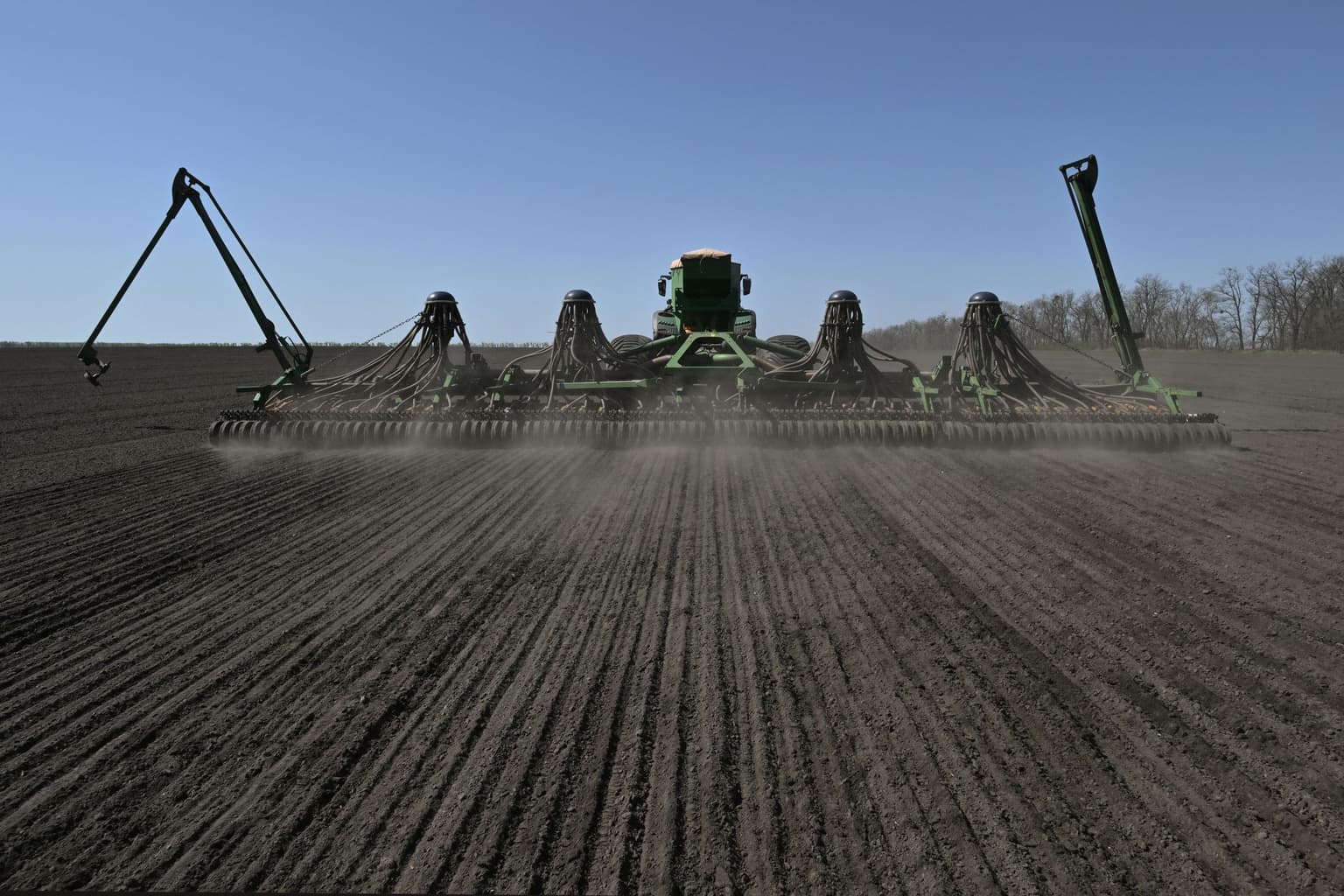
The spring in Ukraine has arrived, but thick layers of ice left over from the brutally cold winter will delay the start of the sowing season by two to four weeks, burdening struggling farmers with extra work amid wartime challenges.
While the sowing season has begun in Ukraine’s warmer southern regions, 5 centimeters (around 2 inches) of snow still covers fields in central and northern Ukraine, Oleh Khomenko, the CEO of the Ukrainian Agribusiness Club, told the Kyiv Independent.
Farmers, who normally sow spring crops from the start of March to mid-May, are stuck waiting for the ground to unfreeze. The late start means there will be just a 45-day window for farmers to sow their crops, like sunflowers, corn, and barley.
The tight schedule piles up the operational challenges for understaffed farmers as they race to sow their seeds before the summer arrives.
"It means that we will have to work 24 hours, seven days a week. This work will be twice as difficult because we have a lack of human power as a lot of agricultural workers were mobilized," said Khomenko.
If farmers miss the 45-day window, it will result in lost income from unsown land, impacting the next sowing season, he added.
Russia's full-scale invasion has slashed agricultural companies' profits, with threats from landmines restricting access to around 23% of Ukraine's land. The sector's contribution to Ukraine's gross domestic product (GDP) fell by 15% pre-war, to around 10% currently.
Companies are also grappling with smaller margins amid recent skyrocketing fuel costs and a fertilizer deficit caused by Russian attacks on sea and river ports.
The country is lacking some 220,000 metric tons of fertilizer, which could cut the volume of crops produced by 5%, Khomenko added.
Despite the delay in the sowing season, the Economy Ministry has said it doesn’t predict any food shortages.
"Farmers have the necessary reserves of fuel, seeds, and resources," the ministry wrote on its Telegram channel on March 9.
According to SovEcon, a research firm that tracks Black Sea agricultural markets, the snowfall this winter protected crops from frost damage. Its forecast for 2026 wheat volumes remains unchanged at 24.6 million metric tons.
Most of Ukraine’s agricultural products — around 80% — are exported, with volumes hitting 5 million metric tons last month.
Ukraine is emerging from its coldest winter in decades, which saw temperatures plummet to -25 degrees Celsius (77 degrees Fahrenheit) in some parts of the country.