Vance visits Hungary to boost Orban in high-stakes election
 on Google
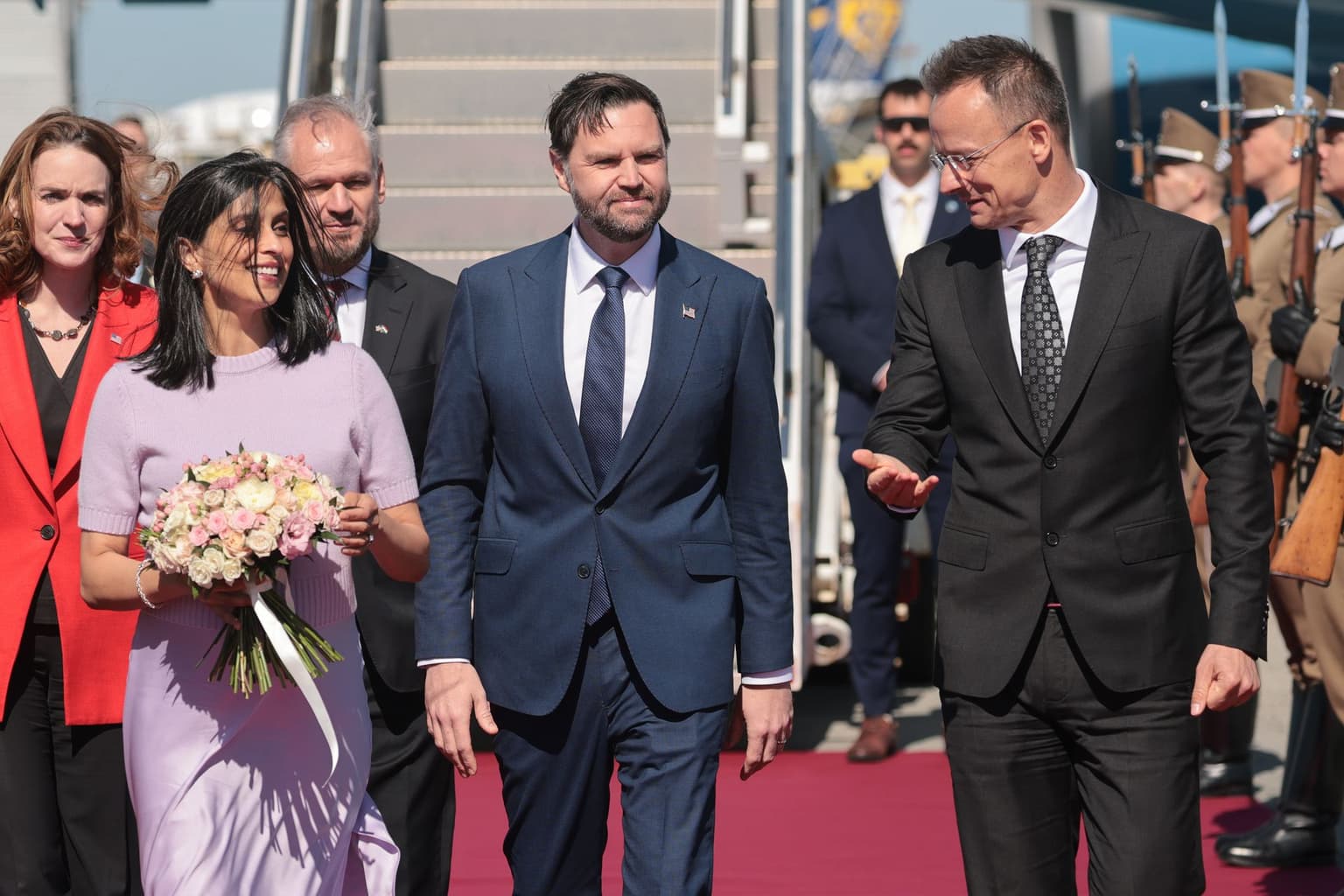
U.S. Vice President JD Vance arrived in Budapest on April 7, a move seen as an endorsement for Hungarian Prime Minister Viktor Orban days before the parliamentary elections.
"It's been 35 years since this last happened in Budapest: a U.S. vice president has arrived in Hungary," said Hungarian Foreign Minister Peter Szijjarto, who welcomed Vance and Second Lady Usha Vance upon their arrival.
Hungary's chief diplomat said the trip demonstrates a "new golden age" in U.S.-Hungarian relations.
Vance's visit comes after U.S. President Donald Trump publicly endorsed Orban, Hungary's populist leader, whose Fidesz party trails behind Peter Magyar's Tisza party ahead of the April 12 vote.
The U.S. vice president's two-day visit is said to include talks with Hungarian leaders on economic and energy cooperation, migration, and global security. Vance is also expected to attend a rally together with Orban.
During the visit, Hungary's energy company Mol is set to sign a deal to buy $500 million worth of U.S. oil, Bloomberg reported, citing an undisclosed source.
Energy security has become a key theme in Orban's election campaign, as the leader called for lifting EU sanctions on Russian fossil fuels and accused Kyiv of threatening Hungary's security by withholding oil transit via the Druzhba pipeline.
Magyar, Orban's rival, commented on Vance's visit by saying, "No foreign country may interfere in Hungarian elections."
"Hungarian history is not written in Washington, Moscow, or Brussels — it is written in Hungary's streets and squares," the opposition politician said on X.
Trump and Orban have been ideological allies, sharing views on migration, cultural issues, and the EU.
The Hungarian leader has also often invoked Trump's push to broker a swift ceasefire between Russia and Ukraine as an argument against EU military support for Kyiv.
Orban currently blocks the EU's 20th package of sanctions against Russia and a 90-billion-euro ($104 billion) loan for Kyiv over the Druzhba dispute.
Slovakia and Hungary, two EU countries still buying Russian crude through Druzhba, accused Ukraine of deliberately blocking transit. Kyiv said that a Druzhba-linked facility was damaged in a Russian attack in western Ukraine in January.