US deploys LUCAS kamikaze drones against Iran 'for first time in combat'
 on Google

The U.S. used "low-cost one-way attack drones for the first time in combat" during strikes on Iran on Feb. 28, U.S. Central Command said in its post on X.
The U.S. launched a series of strikes against Iran as part of Operation Epic Fury, carried out jointly with Israel.
"The first hours of the operation included precision munitions launched from air, land, and sea. Additionally, CENTCOM's Task Force Scorpion Strike employed low-cost one-way attack drones for the first time in combat," the statement read.
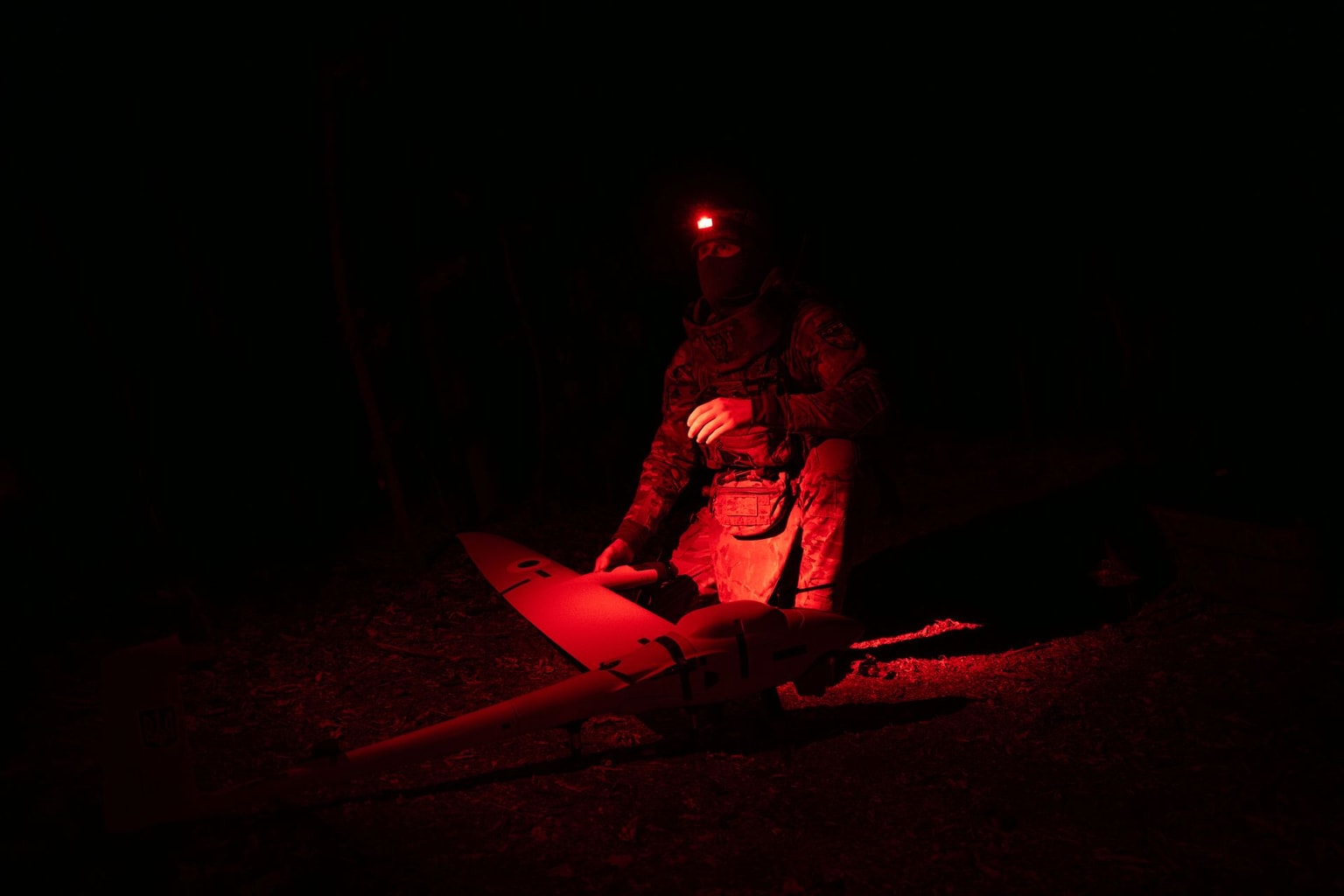
Ukrainian forces began using short-range, attack drones to repel Russian assaults during Moscow's full-scale invasion. Russia later adopted and expanded the tactic, launching daily waves of long-range drones — some based on Iranian designs — against Ukrainian cities and villages.
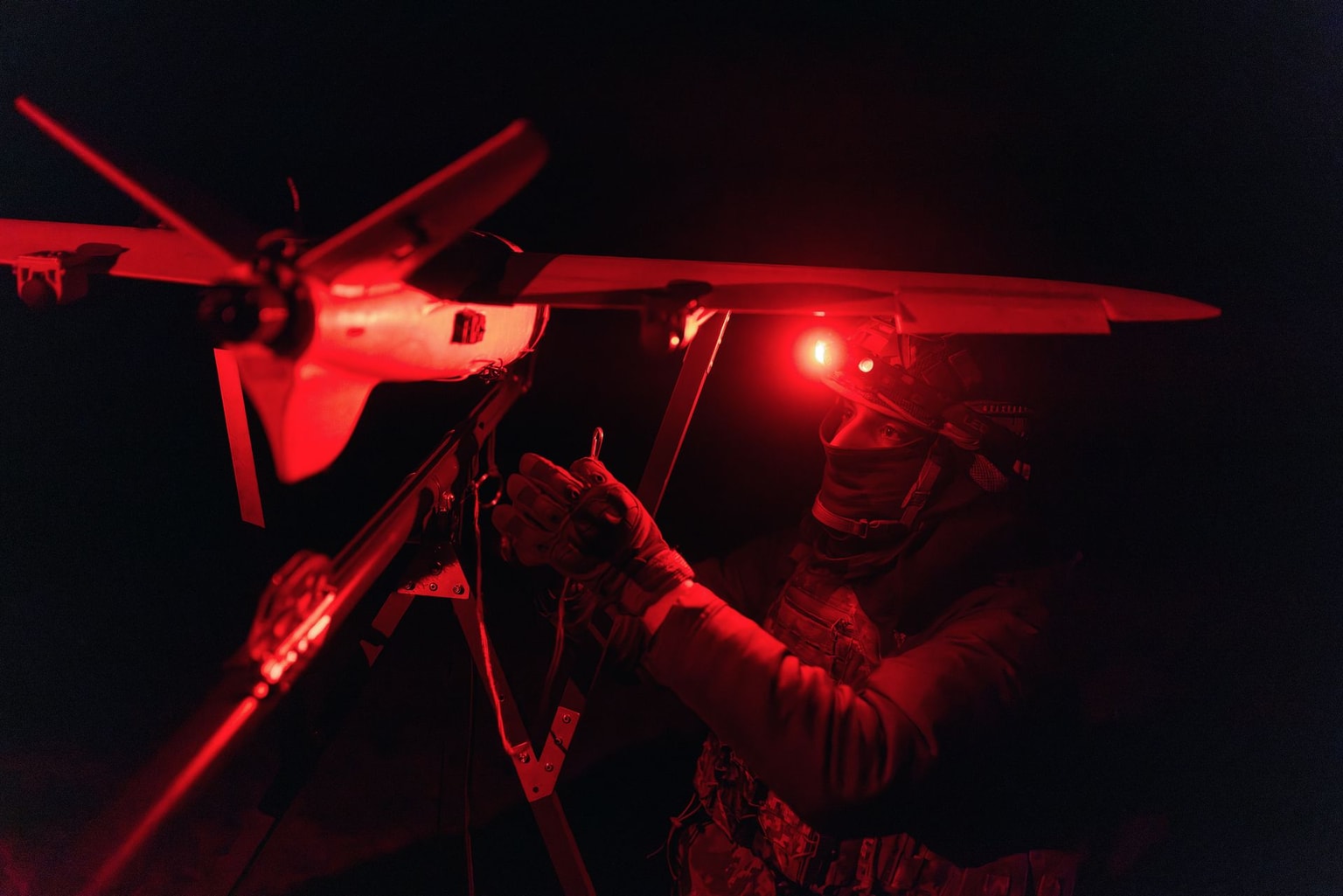
The U.S. confirmed on March 1 it used the Low‑Cost Unmanned Combat Attack System (LUCAS) — a one‑way attack drone based on Iran's Shahed‑136 design and widely employed by Russia forces against Ukraine.
American Shahed 2? You bet! Meet the MQM-172 "Arrowhead", an enhanced US copy of the Iranian Shahed-136 kamikaze drone. This is apparently the second Shahed clone; the first, called LUCAS (Low-Cost Uncrewed Combat Attack System), was developed by Arizona-based SpektreWorks and… pic.twitter.com/ptI5iq9vk9
— Air Power (@RealAirPower1) August 8, 2025
The U.S. deployed a dedicated one‑way attack drone unit known as Task Force Scorpion Strike to the Middle East in December 2025, positioning its LUCAS drones there as a deterrent and countermeasure to threats from Iran and Tehran‑aligned forces in the region.
U.S. Conducts First Combat Use of LUCAS Kamikaze Drone During Operation Epic Fury Against Iran pic.twitter.com/7WxHNQi4is
— Army Recognition (@ArmyRecognition) March 1, 2026
LUCAS drones, developed jointly by the Pentagon and Phoenix, Arizona-based SpektreWorks, can operate autonomously over long distances and be launched from a variety of platforms, including land, ships, and vehicles. They are also capable of swarm operations, allowing multiple drones to strike simultaneously in coordinated attacks.
The LUCAS attack drone has an estimated unit cost of about $35,000, a fraction of what the U.S. pays for most traditional military systems and precision munitions, which can run into the millions of dollars apiece.
By contrast, the U.S. also deployed far more expensive platforms in the Iran strikes, including MQ‑9 Reaper drones and advanced counter‑drone systems, underscoring the mix of high‑end and low‑cost weapons in the operation.
In 2025, the U.S. ramped up its investment in drone production. In July, U.S. Defense Secretary Pete Hegseth ordered an acceleration of manufacturing to ensure Washington stayed ahead of Russia and China in the global race for drone technology.
At the same time, Hegseth announced plans to establish three new national drone testing sites within 90 days, projecting that the U.S. would emerge as a leader in the drone industry by the end of 2027.
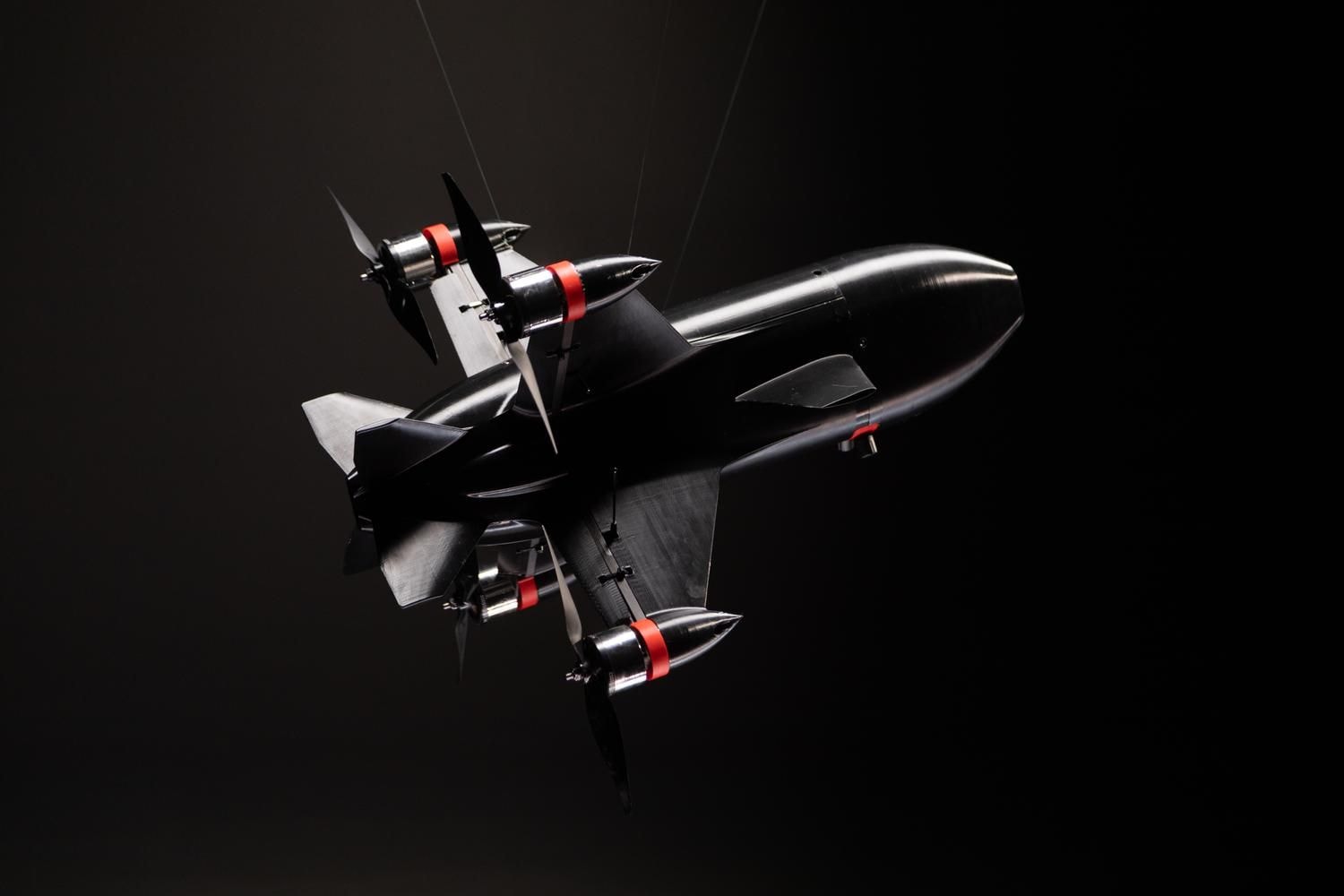
The U.S. Defense Department displayed on July 16, 2025, more than a dozen next-generation unmanned systems at the Pentagon, featuring air, underwater, and ground drone prototypes that military planners say are slated for future deployment.
In November of last year, the U.S. and Ukraine also launched joint production of interceptor drones, President Volodymyr Zelensky announced.