Ukrainian parliament passes EU-linked prosecution reform bill slammed by anti-graft experts
 on Google

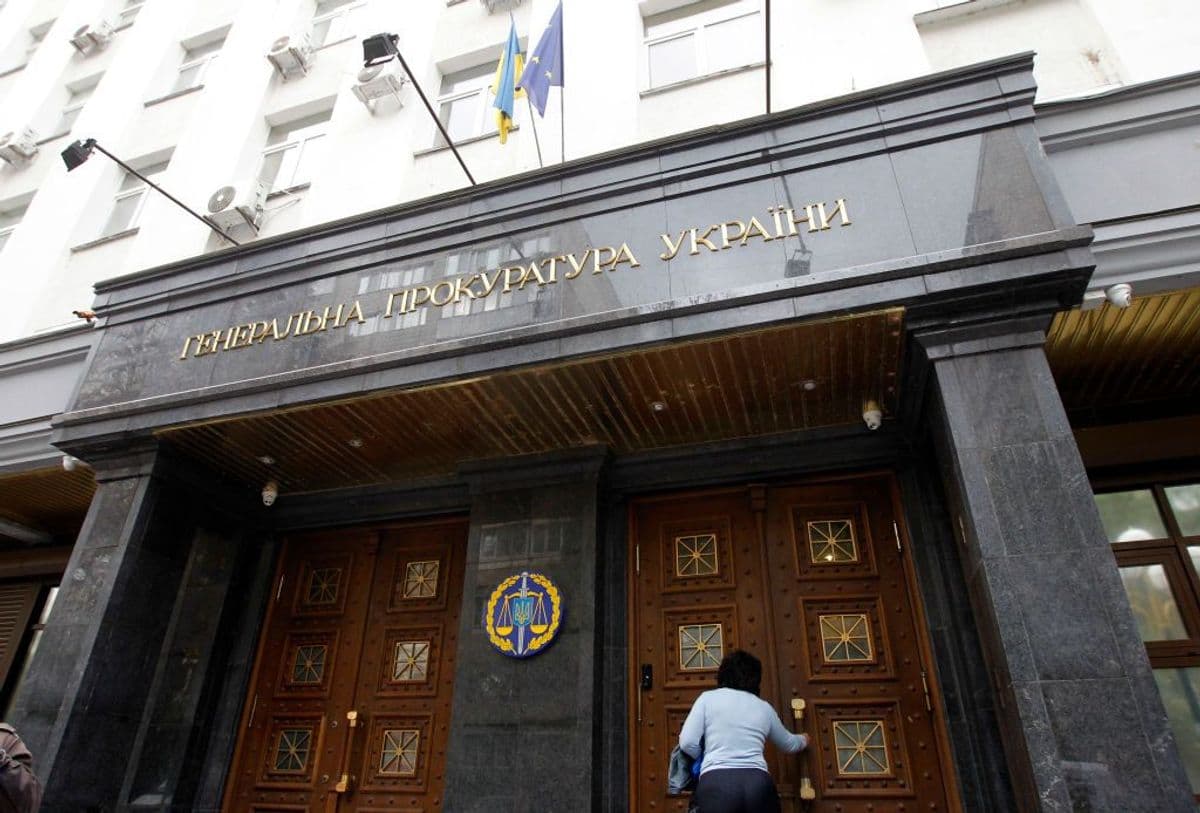
The Ukrainian parliament on Nov. 11 passed the first reading of a prosecution reform bill that has been lambasted by anti-corruption watchdogs as an imitation and sabotage.
To become law, the bill needs to be passed by parliament in the second reading and signed by the president.
The bill is seen as a response by the Ukrainian authorities to a sweeping investigation by the National Anti-Corruption Bureau (NABU), known as Operation Carthage, into scam call centers, drug trafficking, counterfeit currency and violence. The probe led to the ouster of Prosecutor General Ruslan Kravchenko, who fled Ukraine in September, and implicated senior officials in his office.
Members of the criminal group bribed prosecutors, police officers and Security Service officials, according to the NABU.
The Kyiv Independent has requested comments from parliament’s law enforcement committee, the Cabinet, and the President’s Office and will publish their responses once they are received.
The bill seeks to re-introduce competitive selection procedures for top prosecutorial jobs, except for the prosecutor general. The re-introduction of contests for prosecution jobs is a requirement of the European Union as part of Ukraine's talks to join the bloc.
These competitive selection procedures were eliminated in 2025 under a controversial law that also destroyed prosecutors' procedural independence and eliminated the independence of Ukraine's anti-corruption agencies. The clause on anti-corruption agencies was later annulled but the ones on the prosecution service remained valid.
However, anti-corruption activists and legal experts have lambasted the recent prosecution reform bill because it does not envisage the participation of any independent or international experts. Prosecutors will dominate in all the bodies supposed to reform the prosecution service.
"And in response to (the Carthage case), we get a 'sweeping reform of the Prosecutor’s Office,' Vitaly Shabunin, head of the Anti-Corruption Action Center's executive board, quipped on Facebook. "So 'sweeping', in fact, that it includes no procedure whatsoever for purging the prosecution service of corrupt or compromised prosecutors. And the 'competitive selection processes' will be run by incumbent prosecutors."
He argued that "this bill actually makes things worse: instead of cleaning up the system, it entrenches the likes of Kravchenko’s prosecutorial scumbags within it."
Selection panels for prosecutorial contests will be created by the Council of Prosecutors, the prosecution service's self-governing body. On each selection panel, six out of seven members will be prosecutors appointed by their superiors.
The bill also envisages creating an Ethics Standards Council that will check the integrity of candidates for the Council of Prosecutors and the Qualification and Disciplinary Commission, which vets and punishes prosecutors.
At the Ethics Standards Council, a majority of members will also be prosecutors.
Nor does the bill stipulate any contest for the position of prosecutor general.
The EU has demanded a reform of Ukraine's notoriously corrupt and politicized prosecution service and called for making the procedure for picking the prosecutor general less political and more merit-based. Meanwhile, anti-corruption activists and pro-reform lawmakers have accused the Ukrainian authorities of sabotaging rule of law reforms and resisting the demand for depoliticizing the Prosecutor General's Office.
In June, Anastasia Radina, head of parliament's anti-corruption committee from President Volodymyr Zelensky's party, submitted to parliament a bill seeking to select the prosecutor general in a transparent contest with the participation of international experts.
However, the Ukrainian authorities have refused to consider the bill so far.
A similar EU-linked controversy erupted in September, when the European Union decided to disburse funds to Ukraine in exchange for what Ukrainian experts called a judicial “anti-reform."
The so-called anti-reform is a controversial law on integrity declarations for judges passed by Ukraine in June and heavily criticized by judicial experts.
The Ukrainian judicial watchdog Dejure argued in June that "rather than improving the integrity declaration system, (the integrity declarations law) effectively dismantles integrity declarations as a meaningful tool for holding judges accountable."
The watchdog said that, “while presented as a measure to improve judicial integrity declarations, the law would in fact make it easier for judges to evade accountability for false statements.”