Ukrainian counteroffensive on southern front line ongoing, Syrskyi says
 on Google
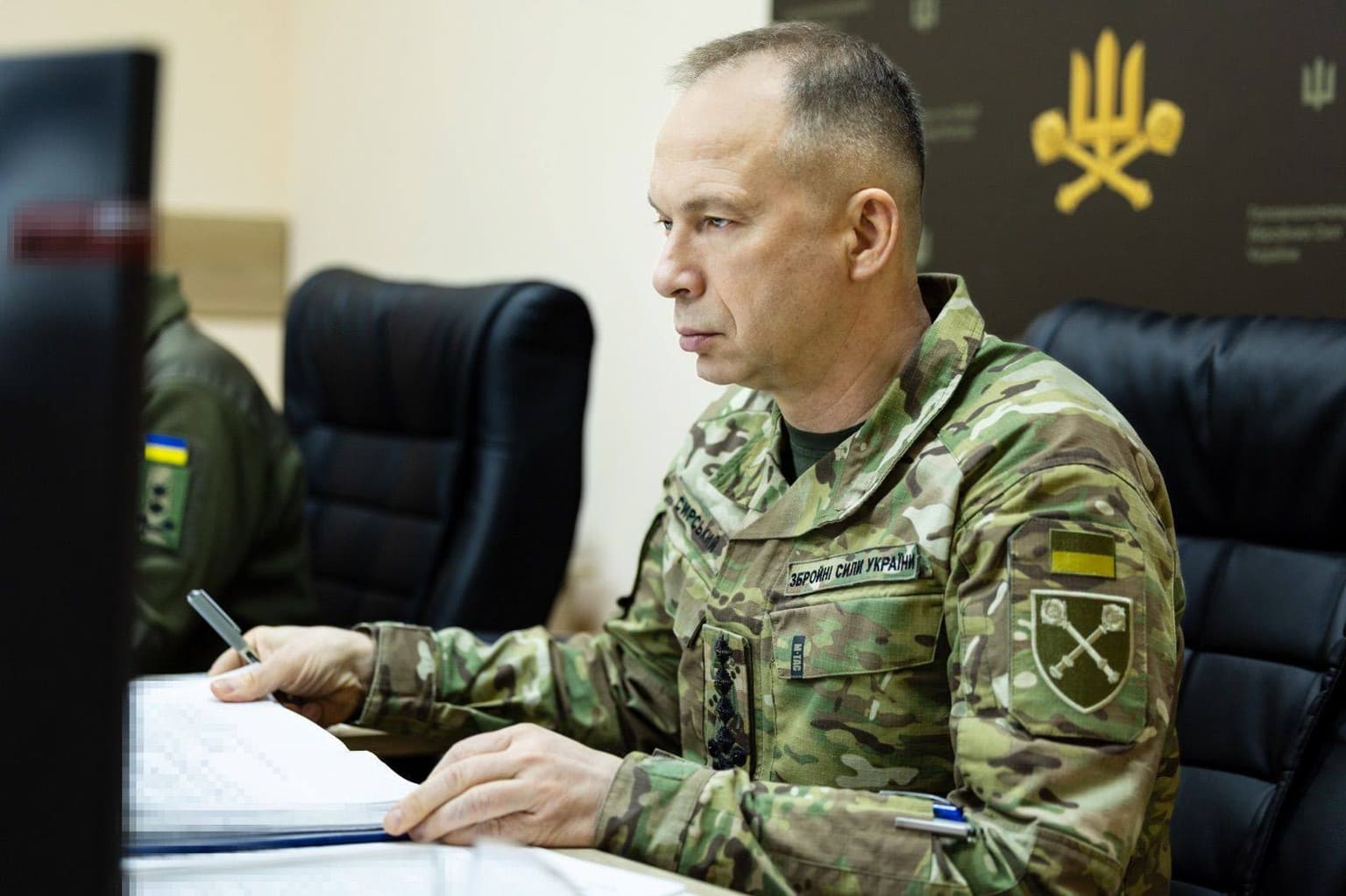
Ukrainian forces are continuing a "counteroffensive" on the southern front line, the country's top general Oleksandr Syrskyi said on March 9.
The comments come several weeks after Ukrainian counterattacking operations in the east of Zaporizhzhia and Dnipropetrovsk oblasts were first reported on.
According to Syrskyi, one main attack grouping of Air Assault Forces alone regained control of 285.6 square kilometers.
"For the first time since 2024, when we conducted the Kursk offensive operation," Syrskyi wrote, "our troops regained control over a larger area of Ukrainian land in one month than the enemy captured in the same period of time."
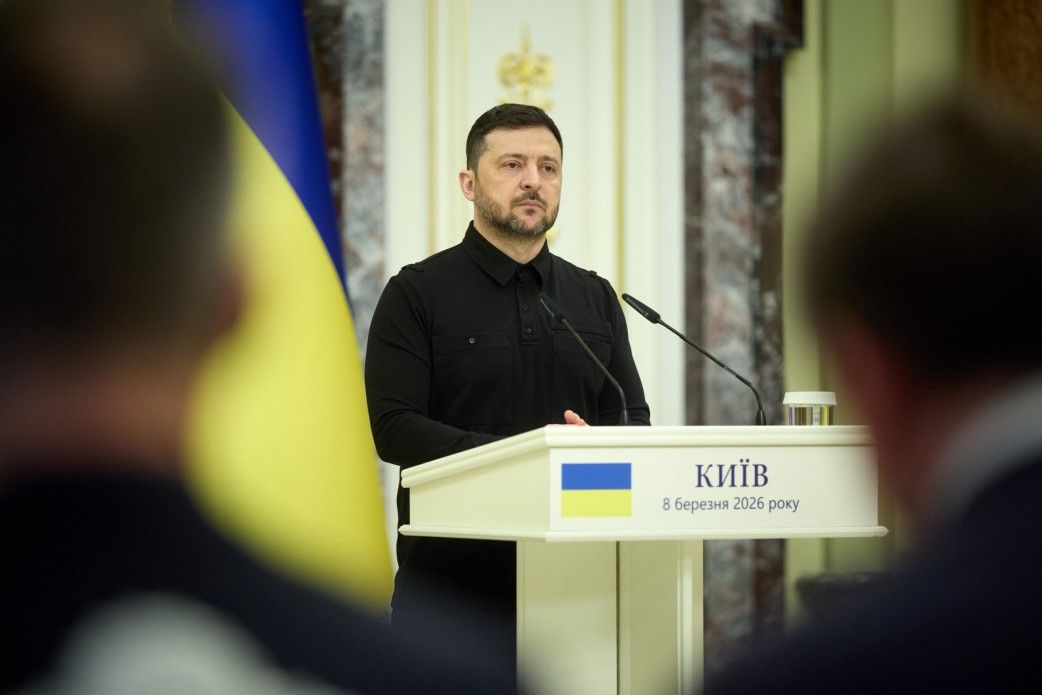
The previous day, President Volodymyr Zelensky claimed that a total of 435 square kilometers had been liberated in counteroffensive operations along the southern front line.
"In the south of our country, over the past month and a half, (Ukrainian forces) have carried out a number of important actions in terms of defense and in some areas of offense," the president said during a meeting with Dutch Prime Minister Rob Jetten.

On a side note, Syrksyi also reported that Russian used of first-person-view (FPV) drone usage across the front line had dropped by 18%, ostensibly as a result of Ukrainian attacks on Russia's production facilities.
While Kyiv has been attacking on a noticeable scale, accurately measuring control, loss, and gain of territory objectively is becoming more difficult.
Operating in a wide contested "grey zone" with infiltrations on both sides, the Ukrainian advances trackable in open sources are mostly extended clearing operations, rather than capturing and taking of Russian-held lines of defense.
While top officials have used "liberated" to measure the territory retaken, others including Syrskyi, have preferred to say "restored control of," acknowledging that much of these areas are in the grey zone, rather than in full Russian control.
These counterattacks, led by Ukraine’s assault regiments and Air Assault Forces, are doing important work to straighten out and stabilize the southern front line ahead of what is likely to be a ferocious Russian offensive campaign over spring and summer.
In comments to BBC Ukraine, Dmytro Filatov, commander of the 1st Assault Regiment, said that the operation was "not a counteroffensive," and that while part of the objective was to clear occupied areas of Dnipropetrovsk Oblast, it was better to describe it as a series of counterattacks made to stabilize the front line.
Meanwhile, further south, near the front-line city of Huliaipole, Ukrainian monitoring and mapping group DeepState recorded further gains west of the city, in evidence that the initiative in the area did not only lie with Kyiv.