Ukraine war latest: Zelensky confirms second strike on Russia's Dubna space Communications Center
 on Google
Key developments on June 30:
- Zelensky confirms second strike on Russia's Dubna space communications center;
- EU sends Ukraine 3.9 billion euros for drones under major support loan;
- Ex-Russian proxy minister in occupied Crimea arrested in Kyiv, SBU says;
- Russian threat will outlast Putin, Sweden's military intelligence chief says.
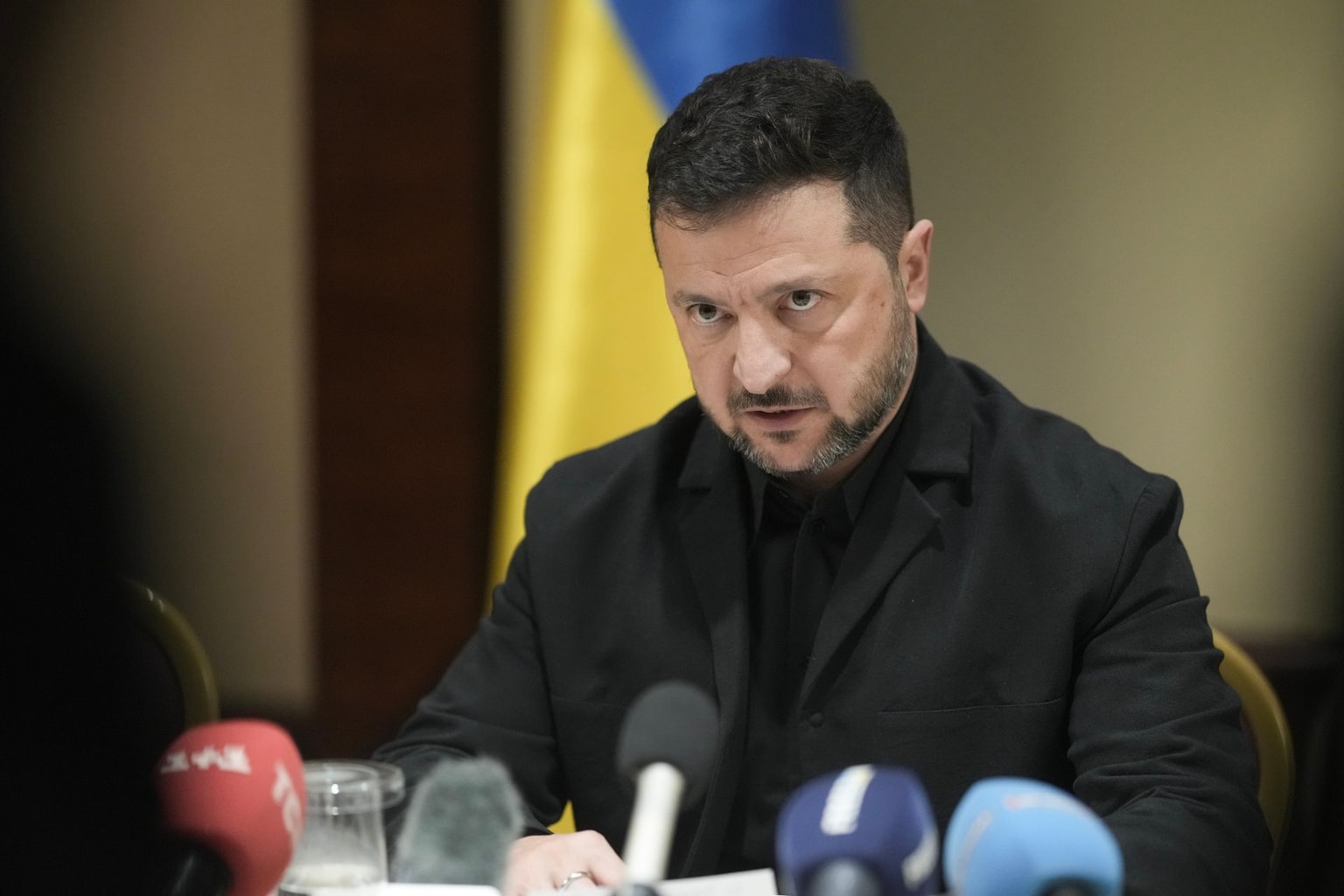
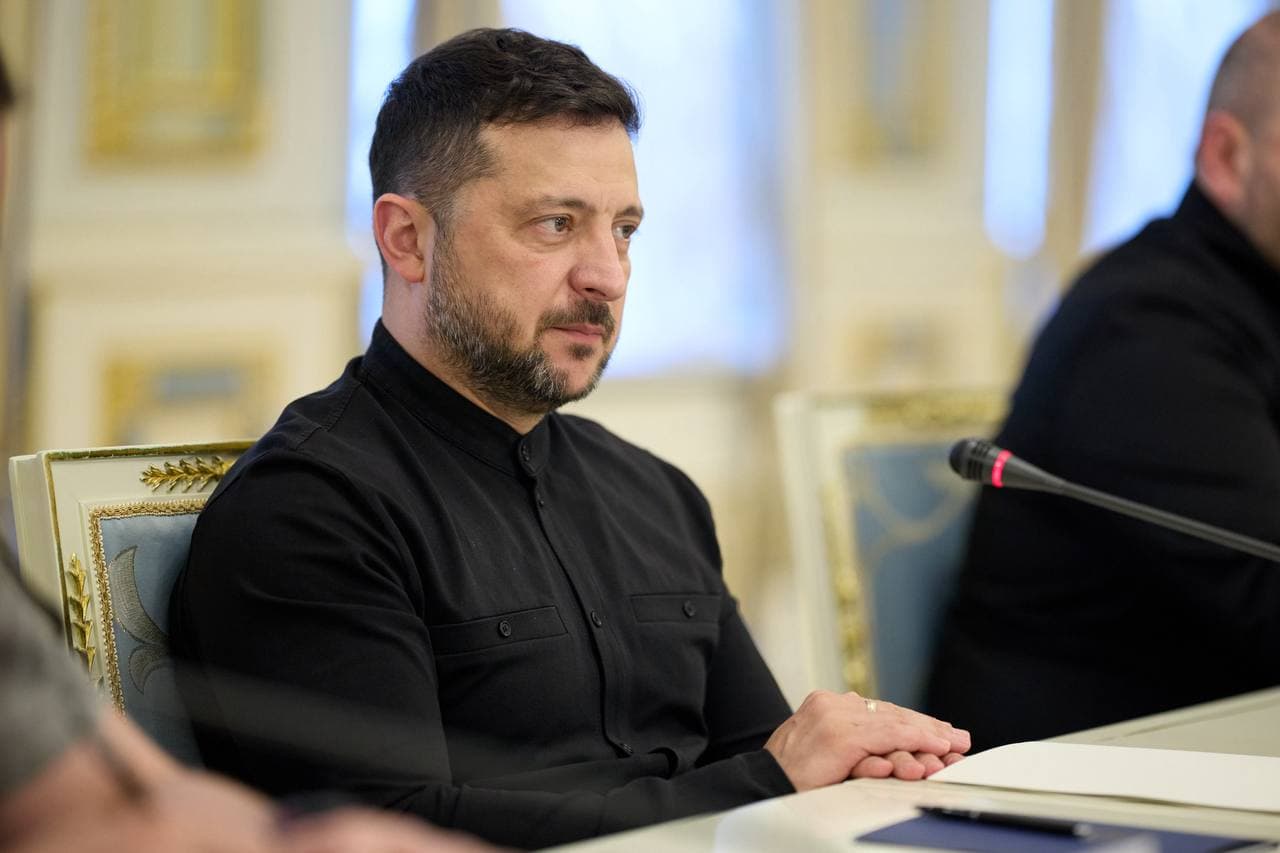
Russia's Dubna Space Communications Center in Moscow Oblast was struck again, President Volodymyr Zelensky said on June 30, adding that Ukraine was "gradually carrying out its plan of long-range sanctions" against Russia.
"Today, our long-range sanctions against Russia for this war once again reached the Dubna Space Communications Center," Zelensky said.
Earlier on June 30, Russian authorities claimed an overnight attack on Moscow Oblast had killed a 6-month-old baby and injured two other people in the town of Yegoryevsk.
The child was killed after a house caught fire following what local authorities said was the result of a drone crash.
Geolocated footage analyzed by OSINT analysts from the independent Russian outlet Astra showed the house had been partially destroyed. Local residents also reported hearing explosions and air defense activity over Yegoryevsk.
The attack on the space communications facility marked the second confirmed strike on the facility in eight days. During the previous attack on June 22, the General Staff said the attack damaged a 32-meter MARK-IV satellite communications antenna and the facility's main control building, which supports Russian military communications, intelligence, and satellite operations.
Zelensky added that Ukrainian forces had recently struck four similar Russian satellite communications centers in the Moscow and Vladimir regions and said operations against other such military facilities were being prepared.
"We are making it as difficult as possible for the aggressor state to wage its war against Ukraine and occupy our territories," he said.
Located about 500 kilometers (310 miles) from Ukraine's border, the Dubna Space Communications Center is a key satellite communications facility used, among other purposes, for military intelligence and coordinating Russian occupation forces in Ukraine, according to Zelensky.
Moscow Mayor Sergei Sobyanin said Russian air defenses had intercepted 61 Ukrainian drones approaching the capital.
"Another large-scale attack by enemy drones has been repelled. Since 8 p.m., air defenses have destroyed 61 drones approaching Moscow," Sobyanin wrote on Telegram.
The attack on Moscow was part of a broader wave of overnight drone attacks across Russia. Russia's Defense Ministry said air defenses had shot down 419 Ukrainian drones over Russian and occupied Crimea.
The Kyiv Independent could not verify the claims independently.
EU sends Ukraine 3.9 billion euros for drones under major support loan
The EU is disbursing 3.9 billion euros ($4.5 billion) for drone procurement for Ukraine to help the country resist Russian aggression, the European Commission announced on June 30.
The payment is part of the initial 6-billion-euro ($7-billion) tranche dedicated to drone procurement under the 90-billion-euro ($103 billion) Ukraine Support Loan.
The loan, approved in April, is a major financial lifeline designed to both bolster Ukraine's defense capabilities and help cover its budget needs in 2026 and 2027.
"Ukraine's ingenuity is at the heart of its success in resisting Russia's full-scale invasion. Ingenuity we want to support," European Commission President Ursula von der Leyen said.
"These investments will help Ukraine protect its citizens, defend its sovereignty, and reinforce Europe's security."
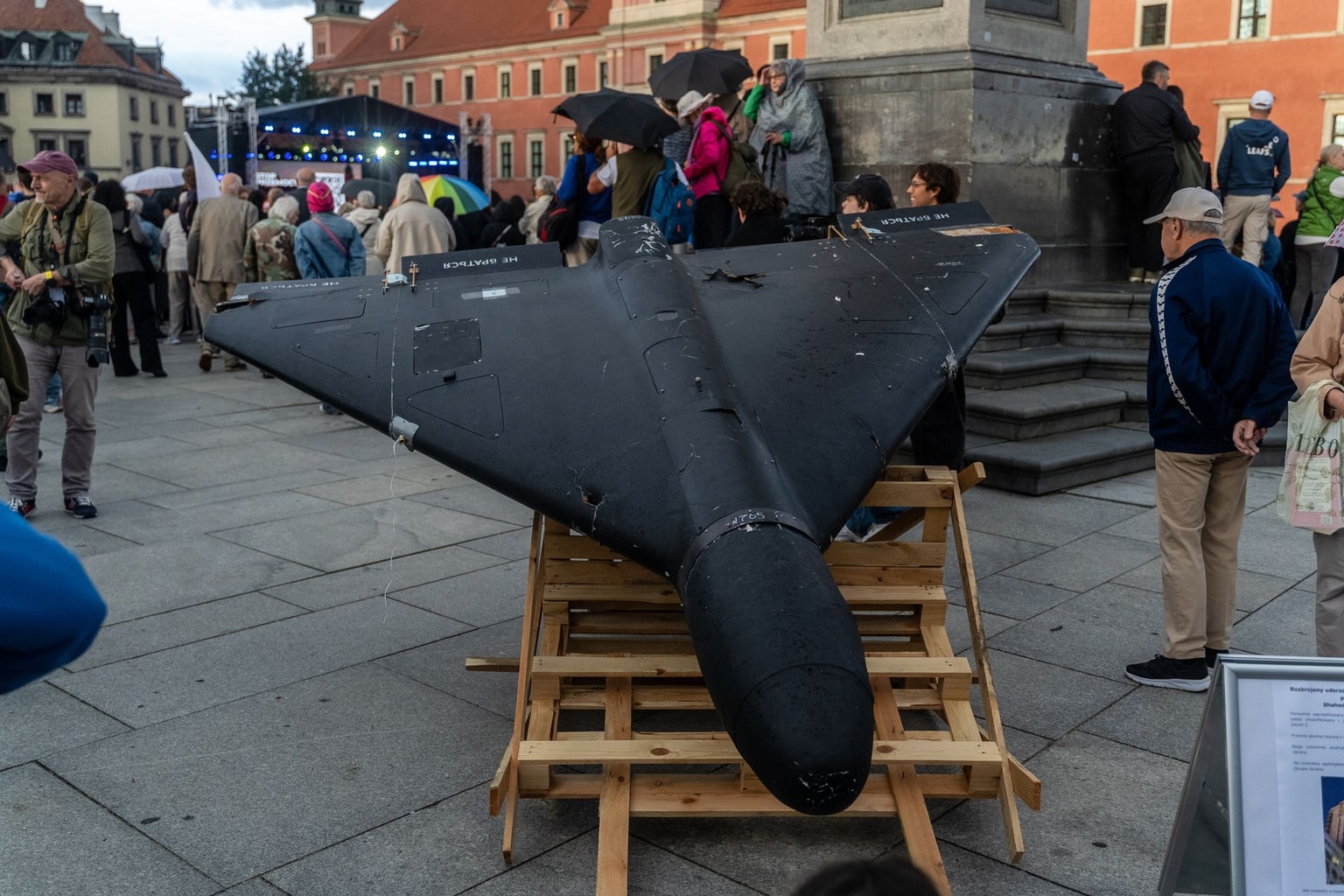
Drones have become one of the most decisive aspects of the Russia-Ukraine war. Long-range drone attacks have targeted Russian oil refineries far from the front lines, putting a strain on the Russian economy and fuel supplies.
Ukrainian mid-range drones have also increasingly struck Russian logistics, air defenses, and command posts, hindering Moscow's front-line advances.
"These resources will be invested directly in expanding Ukraine's defense production — scaling up drones and other critical capabilities for our defense forces," Defense Minister Mykhailo Fedorov commented.
"This is an investment in Europe's defense industrial capacity and in our shared security."
About two-thirds of the 90-billion-euro loan has been allocated to Ukraine's defense needs, including drones, ammunition, missiles, and air defenses.
Ukraine received the first 3.2-billion-euro ($3.6 billion) payment under the loan last week, bringing the total sum disbursed to over 7 billion euros ($8 billion).
Ex-Russian proxy minister in occupied Crimea arrested in Kyiv, SBU says
The Security Service of Ukraine (SBU) said on June 30 it detained in Kyiv a former Russian-installed energy minister of occupied Crimea who cooperated with Moscow.
The suspect's name was not disclosed. Open-source information and released photos suggest that the detained person was Serhii Kolobov, 65.
Kremlin-installed officials in occupied territories and Ukrainian officials who defected to Russia are usually charged in absentia by Kyiv and have largely avoided actual imprisonment. Kolobov's arrest marks a rare case.
He was detained while visiting Kyiv for personal matters. The SBU said the suspect received Russian citizenship after Russia's 2014 occupation of Crimea and headed the occupation administration's Fuel and Energy Ministry on the peninsula.
According to the statement, he helped Russia take control of Crimea's energy infrastructure, including power plants, renewable energy facilities, gas infrastructure, and oil terminals.
The SBU said Kolobov also spent two years re-registering Crimea's energy assets under Russian law before later continuing to work for Moscow and heading several extractive industry companies.
Investigators seized Russian passports, bank cards, and documents allegedly related to Kolobov's cooperation with Russia.
The SBU charged Kolobov with high treason. If found guilty, he may face up to 15 years in jail.
Russian threat will outlast Putin, Sweden's military intelligence chief says
Russia is likely to remain a security threat long after President Vladimir Putin leaves office, Sweden's military intelligence chief said on June 30, describing Moscow's confrontation with the West as "deep, structural and enduring."
Thomas Nilsson, head of Sweden's Military Intelligence and Security Service (MUST), made the remarks in an interview with Bloomberg published on June 30.
"We don't see this crisis as a temporary one; Russia has chosen its path, and there is no way back," Nilsson said.
Nilsson also said Sweden saw no signs that Russia's political system or Vladimir Putin's grip on power were under immediate threat, despite economic strains caused by the war and Western sanctions.
"Political opposition has effectively been eliminated – through exile, imprisonment, or, in the worst cases, assassination," Nilsson said, adding that there was no political force capable of channeling public dissatisfaction into an alternative to the current regime.
The intelligence chief also said Russia was planning to expand its military presence along NATO's northeastern flank, stretching "from northern Finland all the way down." While many of those plans remain on paper as Moscow prioritizes its war against Ukraine, Sweden expects Russia to pursue them once it regains sufficient resources and military capacity.
Sweden joined NATO in March 2024 after abandoning decades of military non-alignment in response to Russia's full-scale invasion of Ukraine. Alongside neighboring Finland, Sweden has significantly strengthened the alliance's presence in the Baltic region.
Nilsson's comments came after Nordic media recently reported, based on satellite imagery, that Russia was expanding military infrastructure near the Finnish border. Moscow has previously said such deployments were a response to Finland's and Sweden's accession to NATO.
Russia has repeatedly criticized both countries' decision to join the alliance.
Sweden has remained one of Ukraine's key European partners since Russia's full-scale invasion. On June 18, Stockholm announced an additional $108 million in military aid through the Prioritized Ukraine Requirements List (PURL) initiative alongside additional assistance pledged by Belgium, Germany, and the Netherlands.