EU sends Ukraine 3.9 billion euros for drones under major support loan
 on Google
Editor's note: The article has been expanded with the latest details.
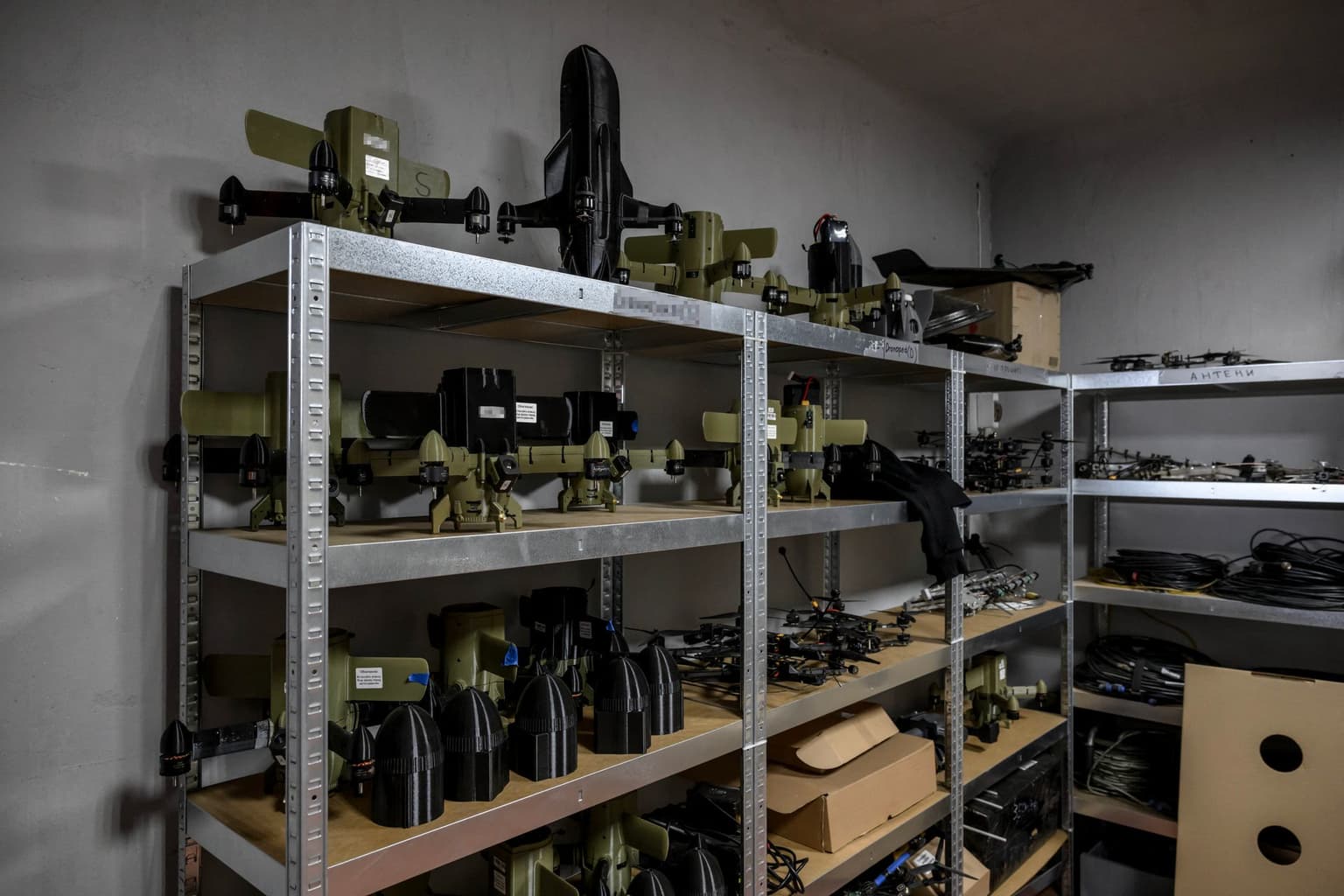
The EU is disbursing 3.9 billion euros ($4.5 billion) for drone procurement for Ukraine to help the country resist Russian aggression, the European Commission announced on June 30.
The payment is part of the initial 6-billion-euro ($7-billion) tranche dedicated to drone procurement under the 90-billion-euro ($103 billion) Ukraine Support Loan.
The loan, approved in April, is a major financial lifeline designed to both bolster Ukraine's defense capabilities and help cover its budget needs in 2026 and 2027.
"Ukraine's ingenuity is at the heart of its success in resisting Russia's full-scale invasion. Ingenuity we want to support," European Commission President Ursula von der Leyen said.
"These investments will help Ukraine protect its citizens, defend its sovereignty, and reinforce Europe's security."
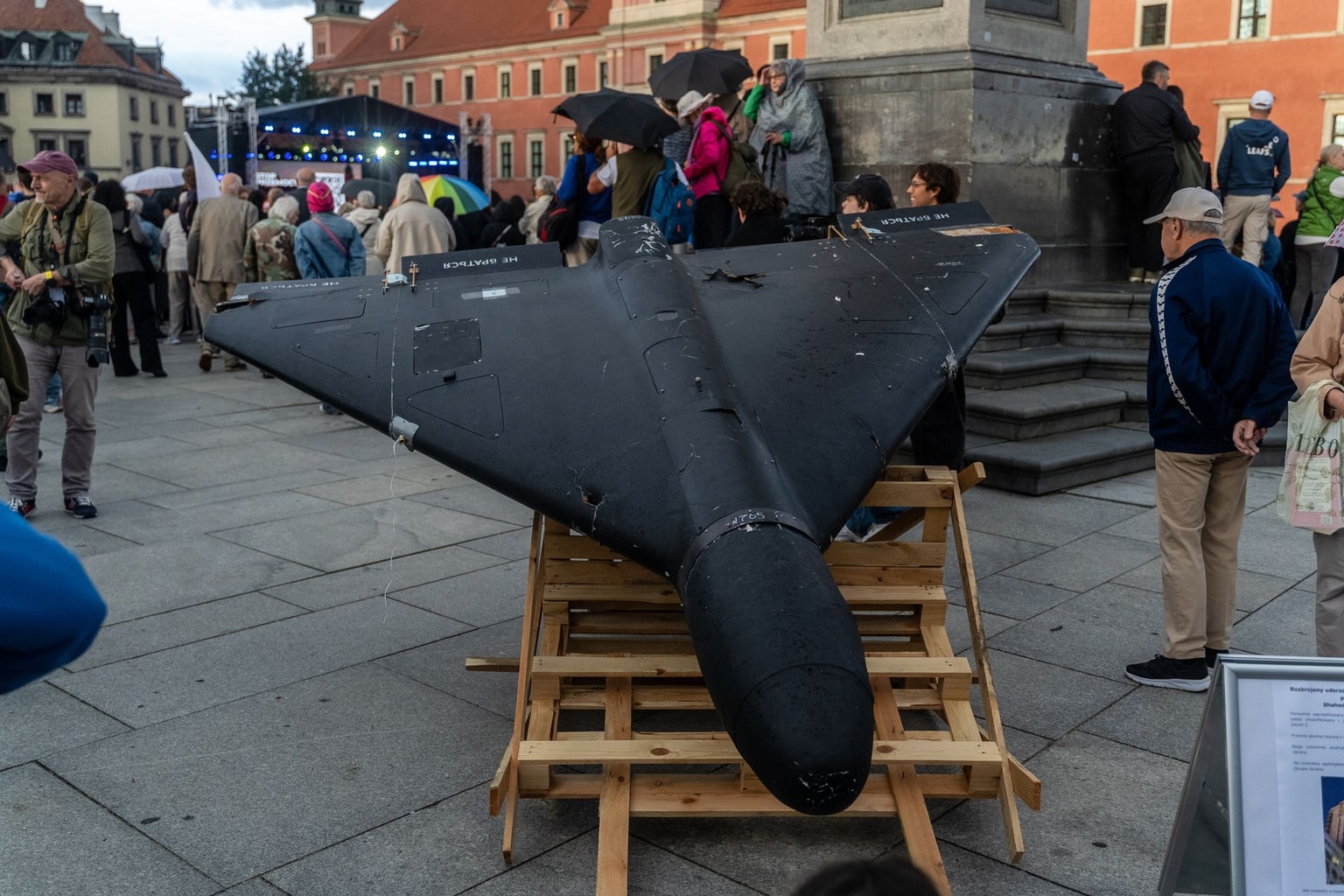
Drones have become one of the most decisive aspects of the Russia-Ukraine war. Long-range drone attacks have targeted Russian oil refineries far from the front lines, putting a strain on the Russian economy and fuel supplies.
Ukrainian mid-range drones have also increasingly struck Russian logistics, air defenses, and command posts, hindering Moscow's front-line advances.
"These resources will be invested directly in expanding Ukraine's defense production — scaling up drones and other critical capabilities for our defense Forces," Defense Minister Mykhailo Fedorov commented.
"This is an investment in Europe's defense industrial capacity and in our shared security."
About two-thirds of the 90-billion-euro loan has been allocated to Ukraine's defense needs, including drones, ammunition, missiles, and air defenses.
Ukraine received the first 3.2-billion-euro ($3.6 billion) payment under the loan last week, bringing the total sum disbursed to over 7 billion euros ($8 billion).