Ukraine war latest: 80% of Ukraine faces emergency power cuts, 15% of Kyiv residential buildings remain without heat after Russian attack
 on Google
Key developments on Jan. 24-25:
- 80% of Ukraine faces emergency power cuts following Russian aerial attack
- 15% of Kyiv residential buildings remain without heat after Russia's attacks, officials say
- At least 1 killed, 9 injured in Russian attacks on Ukraine over past day
- Orban accuses Ukraine of threats, Hungarian election interference; FM Sybiha rejects accusations, calls him Kremlin ally
- Zelensky meets Lithuania's president as country pledges nearly 100 generators for Ukraine amid Russian strikes
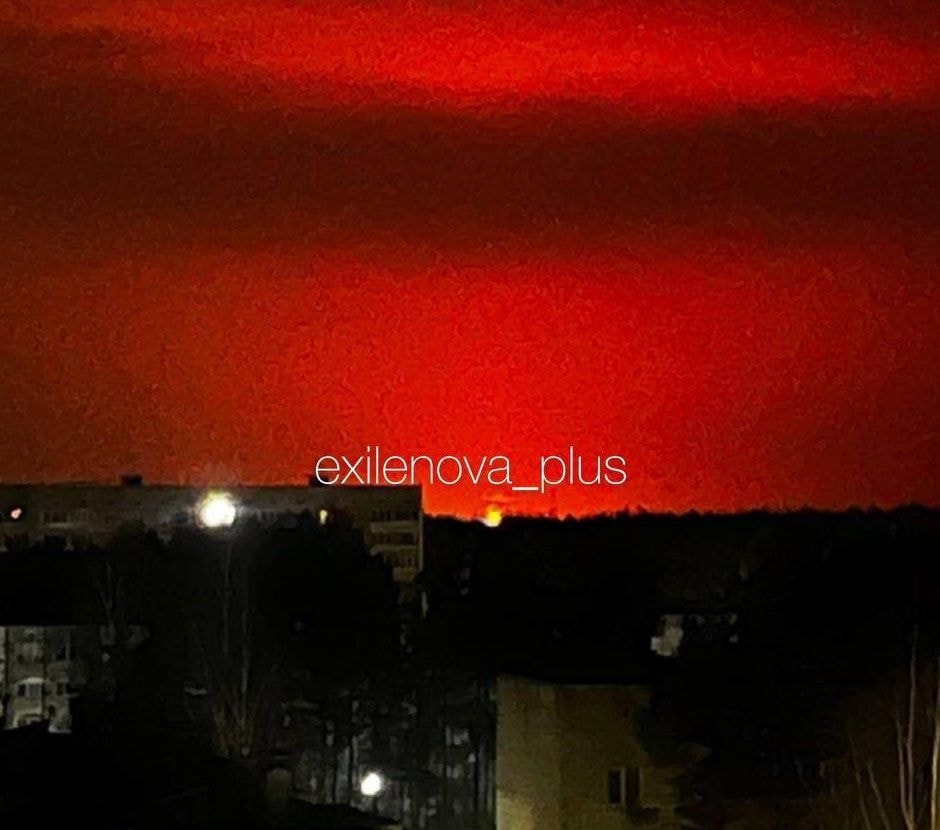
Russia launched a mass aerial attack on Ukraine overnight Jan. 24, killing at least one person and injuring others, while causing widespread damage to energy infrastructure.
In Kyiv, one person was killed and four others injured during the attack. Explosions were first heard at 1:20 a.m. local time, according to Kyiv Independent journalists on the ground, who reported blasts throughout the night, including the interception of a ballistic missile.
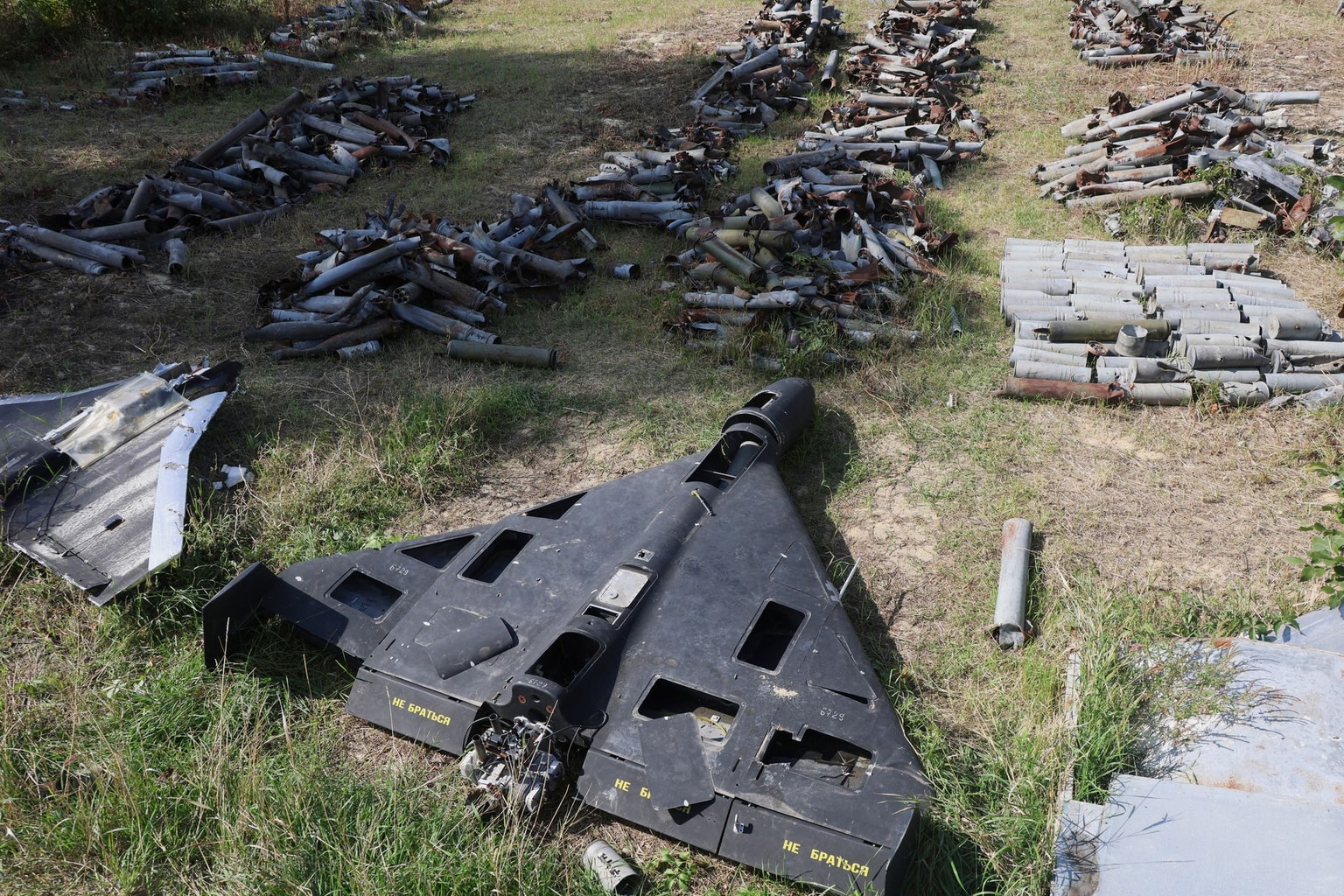
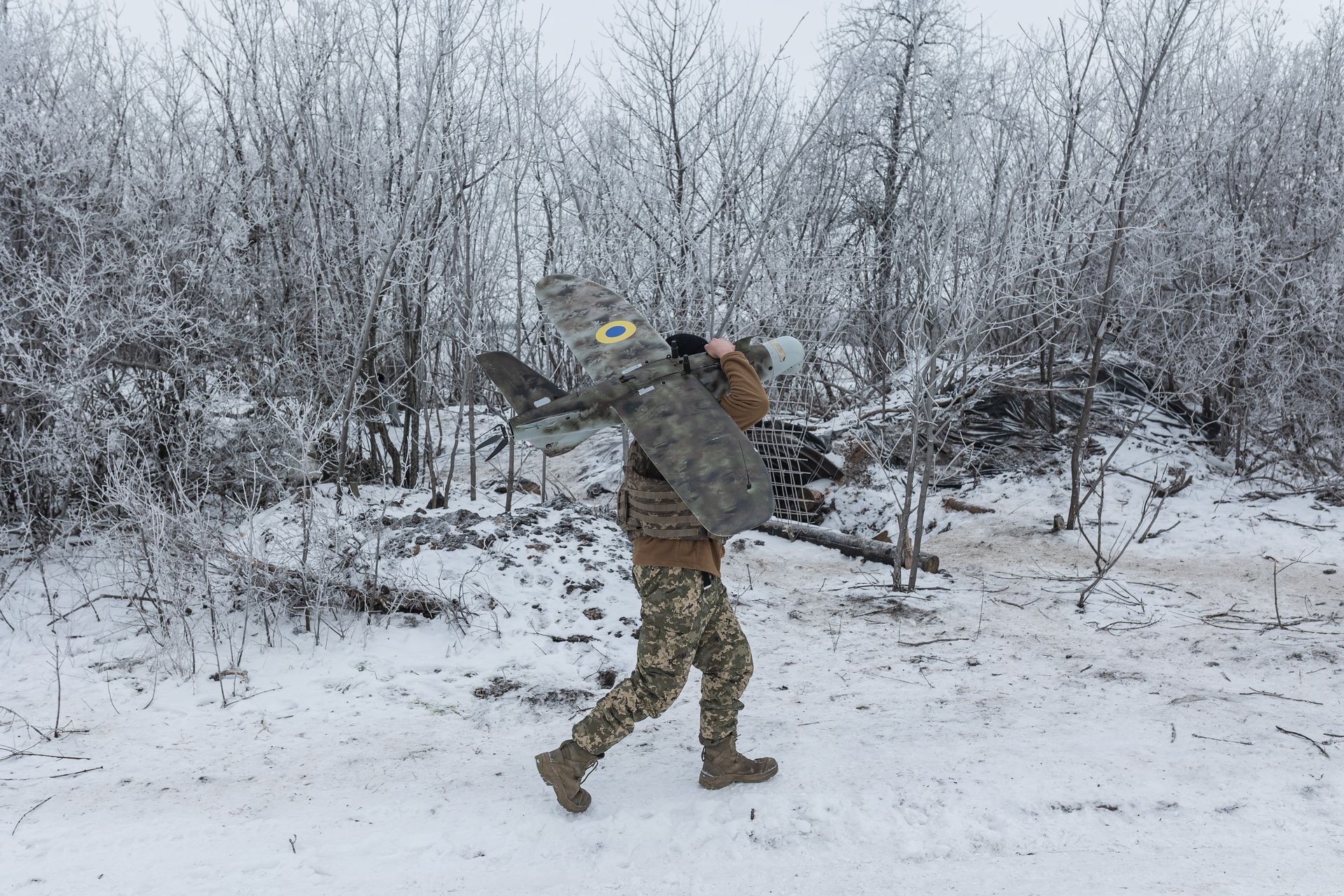
The Ukrainian Air Force tallied 396 aerial weapons, including 21 missiles and 375 drones. Hypersonic "Tsirkon" missiles, ballistic Iskander missiles, and Kh-22/Kh-32 cruise missiles were used.
The attacks continued Russia’s targeting of Ukraine's energy infrastructure, worsening an ongoing winter energy crisis following similar mass attacks on Jan. 9 and Jan. 20.
OSINT Telegram channel MonitoringWar said the strikes focused on Kyiv, Kharkiv, Dnipro, and Zaporizhzhia. Kyiv was the main target, as it has been throughout January.
Vitaliy Zaichenko, CEO of UkrEnergo, the state power grid operator, told the Kyiv Independent that the capital's left bank faces a dire heating situation, extending toward the right bank. Eighty percent of Ukraine experienced emergency power outages on Jan. 24.
Kyiv authorities announced service cuts to a section of the metro line crossing the Dnipro River due to infrastructure damage. Other lines remain unaffected.
In the Holosiivskyi district, a Shahed drone struck a Roshen factory.
Despite the strike and morning death, the factory was open again shortly after 11. Hennadiy, one of its frequent patrons, inadvertently came upon the scene en route to his morning coffee.
"I live maybe half a kilometer away," the 50-year-old Hennadiy, who declined to give his last name, told the Kyiv Independent, coffee in hand. "(The strike) was mighty loud, but nobody knew exactly where it came down. It was only when I was walking by that I saw."
In Kharkiv, the same mass Russian attack left 27 people injured and spread destruction and fires across Ukraine's second-largest city, local authorities said.
"In total, 134 rescuers, 34 units of State Emergency Service fire and rescue service equipment, as well as police officers, medics, volunteers, and city utility services are involved in the elimination of the consequences of the Russian attack," the State Emergency Service reported.
Overall, the attacks injured 40 people and, in addition to energy infrastructure, damaged 60 residential buildings and 80 civilian vehicles across Ukraine, the Internal Affairs Ministry said on Jan. 24.
Repeated Russian bombardment of Ukraine's energy infrastructure has left major cities without heat, electricity, or water amid freezing temperatures.
The ongoing humanitarian crisis is a result of Russia's deliberate targeting of critical energy facilities — infrastructure it has sought to destroy every winter since 2022. This is, however, the coldest winter since the full-scale invasion on Feb. 24 of that year, straining electrical grids and rendering the prospect of going without heating especially dire.
Klitschko has repeatedly asked Kyivans who have other places to stay to leave the city temporarily. Despite the proximity of strikes and the fact that he has electricity only about half of the time, Hennadiy, for one, said the idea is a non-starter.
"There's two million people. Where are they going to settle them?" he said. "In tents somewhere? Fine, so they've gone off to some dugouts or something. What about toilets? If they can't set up electricity or anything here, then providing for two million people somewhere out there in the fields, it's just absurd."

15% of Kyiv residential buildings remain without heat after Russia's attacks, Mayor Klitschko says
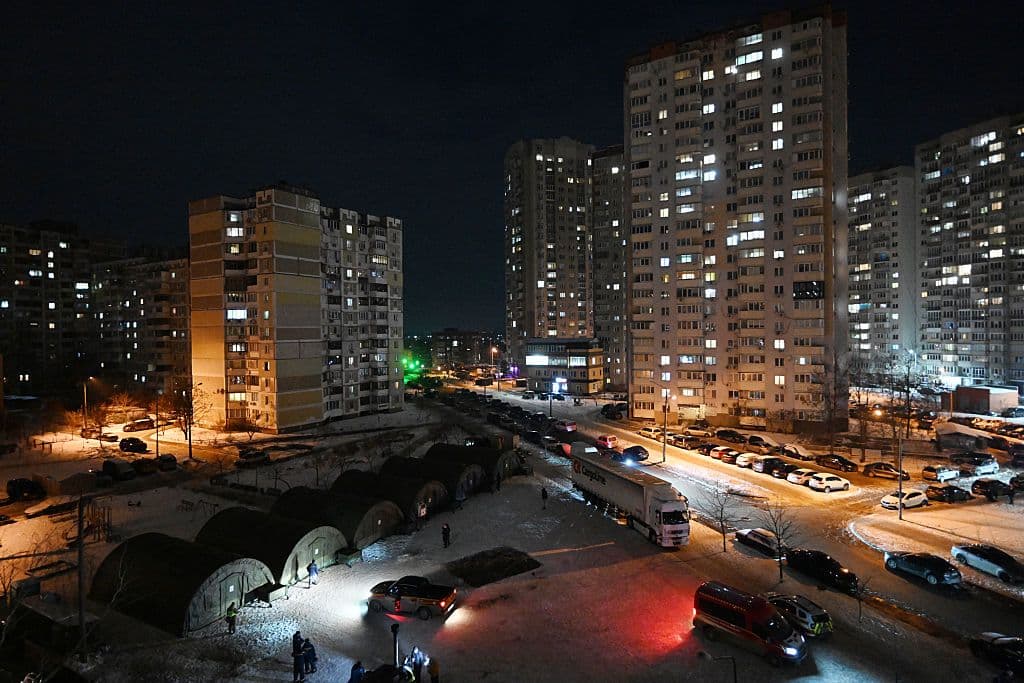
More than 1,600 residential buildings in Kyiv — around 15% of the city's housing stock — remain without heating after Russian attacks on critical infrastructure, Mayor Vitali Klitschko said on Jan. 25.
Home to more than 3 million people, Kyiv continues to struggle to restore power, heating, and water after Russian attacks on Ukraine's critical infrastructure on Jan. 9, Jan. 20, and Jan. 24. Some homes have been without heating and power since Jan. 9.
Following the Jan. 24 attack, nearly 6,000 of Kyiv's roughly 12,000 apartment buildings were left without heating, reversing progress energy workers had made the previous day in reducing outages below 2,000 buildings.
After the attack, energy workers repaired more than 4,000 residential buildings. Heating was restored to 1,600 buildings overnight on Jan. 24, with the remainder restored during the day on Jan. 25, according to the mayor.
"Energy workers continue working to restore services to the homes of Kyiv residents," Klitschko said.
Interior Minister Ihor Klymenko said that 1,300 heating tents, called 'Resilience Points,' were set up in Ukraine's capital. He added that 91 heating tents of the State Emergency Service, located between residential buildings in Kyiv's district, are operating.
President Volodymyr Zelensky said that the main targets of Russia's attacks are currently Ukraine's energy sector, critical infrastructure, and residential buildings.
Zelensky added that during the week, Russian forces launched more than 1,700 drones, 1,300 guided aerial bombs, and 60 missiles.
"Every massive attack by Russia can become devastating. That is why missiles for air defense systems are needed every day, and we continue working with the United States and Europe to ensure stronger protection of our skies," Zelensky said.
The latest missile attack took place shortly after trilateral peace talks involving Kyiv, Moscow, and Washington.
At least 1 killed, 9 injured in Russian attacks on Ukraine over past day
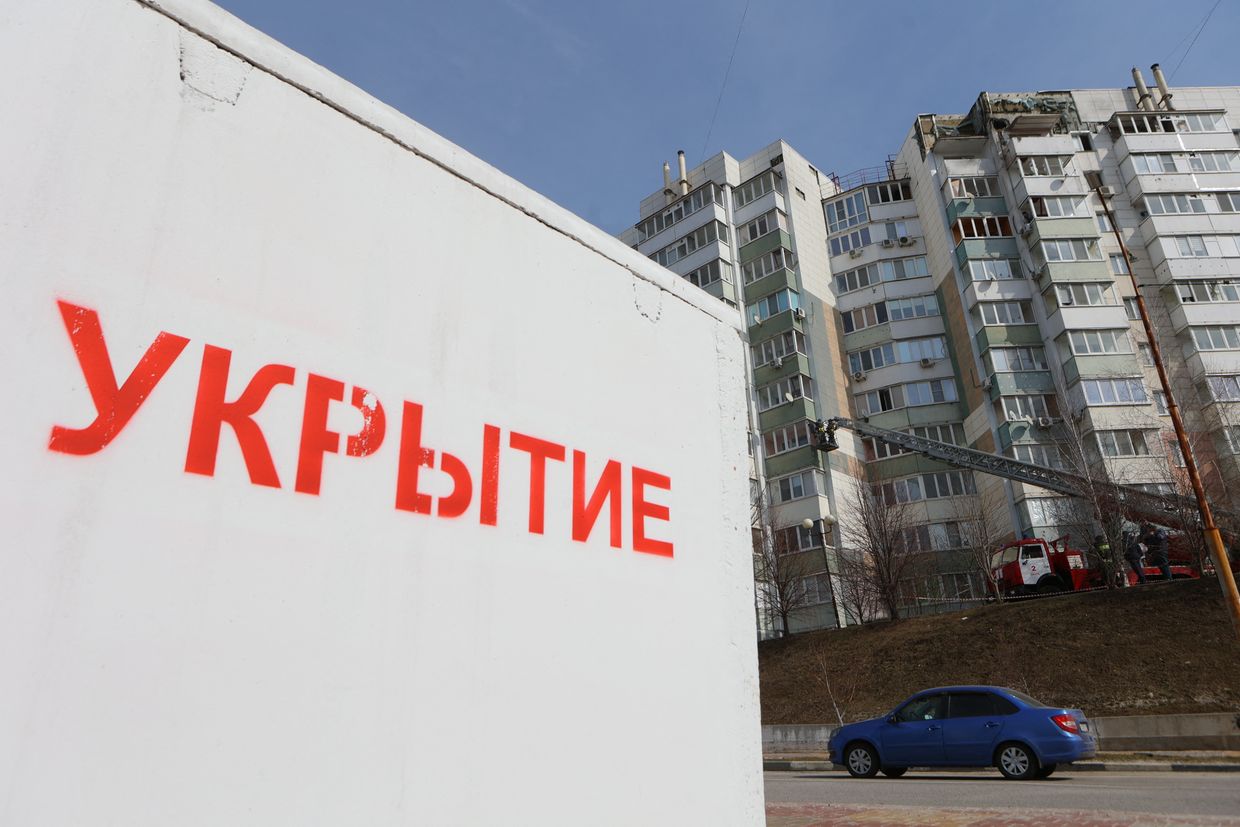
At least one person was killed, and nine others were injured in Russian attacks against Ukraine over the past day, local authorities said Jan. 25.
Russia launched 102 drones and two Iskander ballistic missiles at Ukraine overnight, the Air Force said. Air defenses intercepted 87 drones, while at least 15 made it through, striking 10 locations. Officials were still clarifying information about the ballistic missiles at the time of publication.
In Kherson Oblast, Russian forces struck 35 settlements, including the city of Kherson, killing one person and injuring four others, according to Governor Oleksandr Prokudin.
In Kharkiv Oblast, Russian forces attacked the regional center of Kharkiv and 11 settlements in the oblast, injuring two people, Governor Oleh Syniehubov said.
In Donetsk Oblast, Russian strikes injured two people, Governor Vadym Filashkin reported.
In Zaporizhzhia Oblast, one woman was injured as a result of a Russian drone strike on Tavriiske, Governor Ivan Fedorov said.

Orban accuses Ukraine of threats and Hungarian election interference; FM Sybiha rejects accusations, calls him Kremlin ally
Hungarian Prime Minister Viktor Orban on Jan. 24 accused Ukraine of meddling in Hungary’s parliamentary elections, saying Kyiv had "gone on the offensive" and was now "issuing threats and openly interfering in the Hungarian elections."
Orban claimed Ukraine's aim was "to secure funds and force their way into the European Union as soon as possible," while insisting that "as a member of the European Union, Hungary has the right to say no."
He portrayed his government's position as protecting Hungarian households and national security, saying Budapest does not want taxpayer money sent to Ukraine or for Hungary to be pulled into the war.
Orban also said Hungary would not back down under pressure, insisting the country would not be intimidated and warning Kyiv that Budapest would refuse to cover the costs.
Hungarian Foreign Minister Peter Szijjarto echoed the claim of election interference, telling Ukrainian officials: "Well, I see you started to interfere into our elections," and warning that Hungary would not accept a government that would "say yes to Brussels" and "drag Hungary into your war."
Ukraine's Foreign Minister Andriy Sybiha responded by arguing that Orban's threats to block Ukraine's EU accession were aimed less at Kyiv than at Hungary's own minority community in Ukraine.
"When Viktor Orban says that he will not allow Ukraine to join the EU for the next 100 years, he is not really talking to the Ukrainian state," Sybiha wrote on X.
Sybiha accused Orban of sacrificing ethnic Hungarians in Transcarpathia for political gain, as well as advancing Moscow's interests by obstructing Ukraine's EU bid.
"Viktor Orban and his team do not care about the well-being and security of Hungarians living in Ukraine," he posted. "By blocking Ukraine's EU membership, Orban is fulfilling Putin's wishes."
Sybiha then added that Orban was acting "like Hitler's henchman Ferenc Szalasi," and warned that Hungary risked aligning itself with the Kremlin.
"Hungary and the Hungarian people do not deserve this," Sybiha wrote. "Hungary does not deserve to once again find itself on the wrong side of history—as an accomplice of a new form of inhuman ideology represented by the Putin regime."
Sybiha also told Hungarian officials not to fear Ukraine but domestic backlash: "You should be afraid of the Hungarian people, who are tired of your lies, your kleptocracy, and your hatred."
Orban has repeatedly voiced opposition to Ukraine's EU bid and for the bloc's support to Kyiv as it fends off Russia's war. Hungarian authorities are widely considered the most Moscow-friendly within the EU.
Hungary has also pushed back against broader EU efforts to cut dependence on Russian energy, as the bloc moves to phase out imports of Russian gas, oil, and nuclear-related energy. Budapest remains heavily reliant on Russian crude, with Russia supplying 86% of Hungary’s oil, according to the Atlantic Council — up from 61% before the full-scale invasion.
Orban said on Nov. 14 that Hungary would sue the EU over its decision to ban Russian gas imports.

Zelensky meets Lithuania's president as country pledges nearly 100 generators for Ukraine amid Russian strikes
President Volodymyr Zelensky met Lithuanian President Gitanas Nauseda in Vilnius, Zelensky said on Jan. 25.
The visit came amid continuous Russian attacks on Ukraine's critical infrastructure, which left thousands of Ukrainians without heat, electricity, and water. More than 1,600 residential buildings in Kyiv remain without heat.
According to Zelensky, his discussion with Nauseda focused on support for Ukraine's energy system and the country's air defense. He added that Lithuania planned to provide Ukrainian cities and communities with nearly 100 generators.
Additionally, they discussed military cooperation, joint defense projects, and Lithuania's proposal to launch a weapons-export platform in Vilnius, support for the Prioritized Ukraine Requirements List (PURL) initiative, and cooperation within the Security Action for Europe (SAFE).
The PURL initiative, launched in August 2025, enables NATO members to buy advanced U.S. weaponry for Ukraine. SAFE is an EU loan instrument meant to bolster the continent's defense industry by financing weapons procurement for eligible countries.
Polish President Karol Nawrocki will also join his counterparts in the Lublin Triangle format (a cooperation platform established in 2020 by Lithuania, Poland, and Ukraine), the Baltic News Service (BNS) reported on Jan. 23.
"Today in Vilnius, we are coordinating with our partners in the region — Lithuania and Poland. We are working with every leader to strengthen Ukraine. Everyone must clearly understand the threat coming from Russia, and it is our nations who understand this best," Zelensky said.
The meeting was timed to coincide with the anniversary of the January Uprising (1863-64), which holds symbolic significance for the countries. The uprising sought to liberate the peoples of the Grand Duchy of Lithuania and the Kingdom of Poland from the Russian Empire.
Vilnius has been one of Kyiv's staunchest supporters against Russian aggression. According to the Kiel Institute of the World Economy, Lithuania's defense contributions to Ukraine are among the highest in the world in terms of gross domestic product (GDP) shares.

Note from the author:
Ukraine War Latest is put together by the Kyiv Independent news desk team, who keep you informed 24 hours a day, seven days a week. If you value our work and want to ensure we have the resources to continue, join the Kyiv Independent community.