Ukraine deploys interceptor drones, experts to protect US bases in Jordan, Zelensky says
 on Google
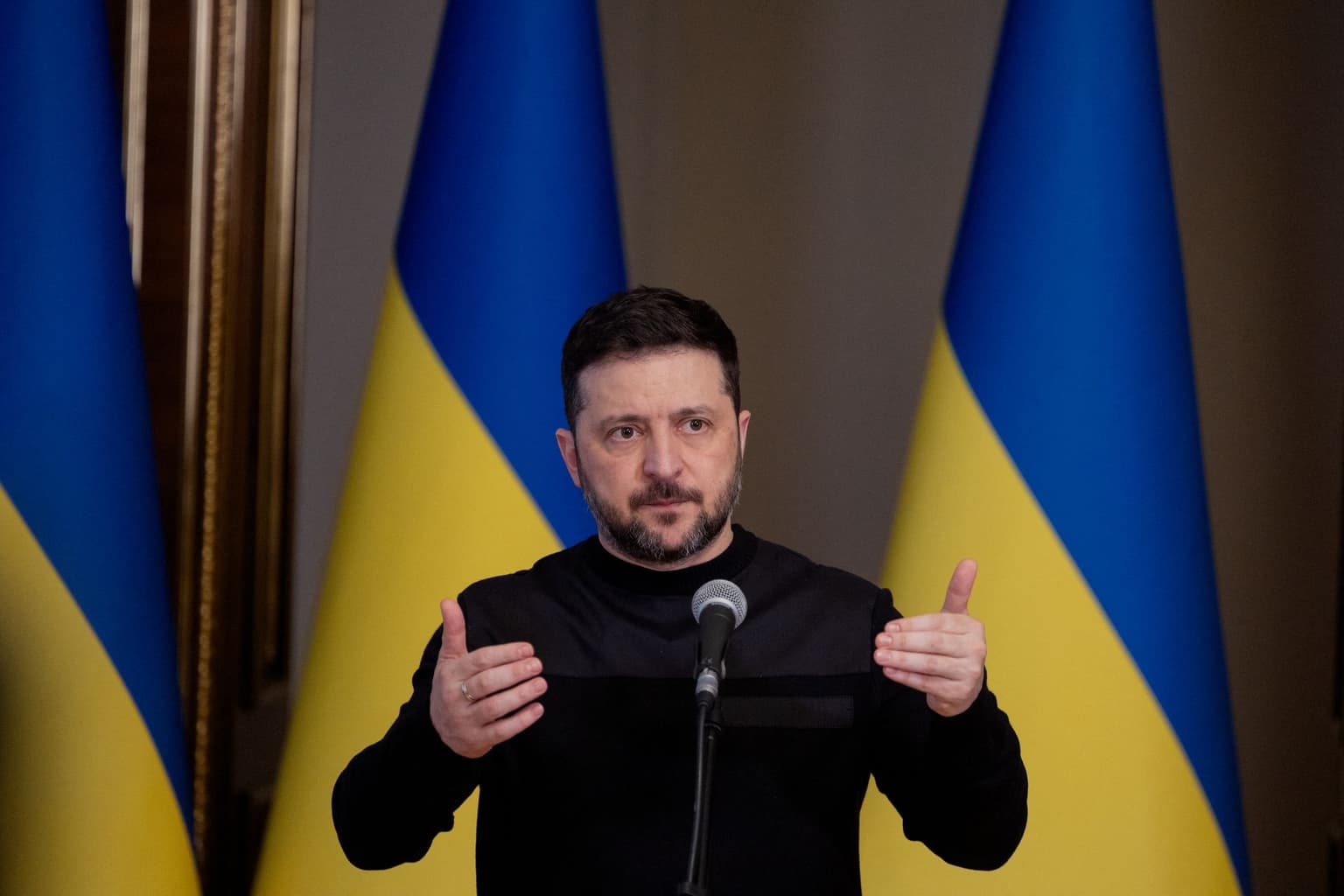
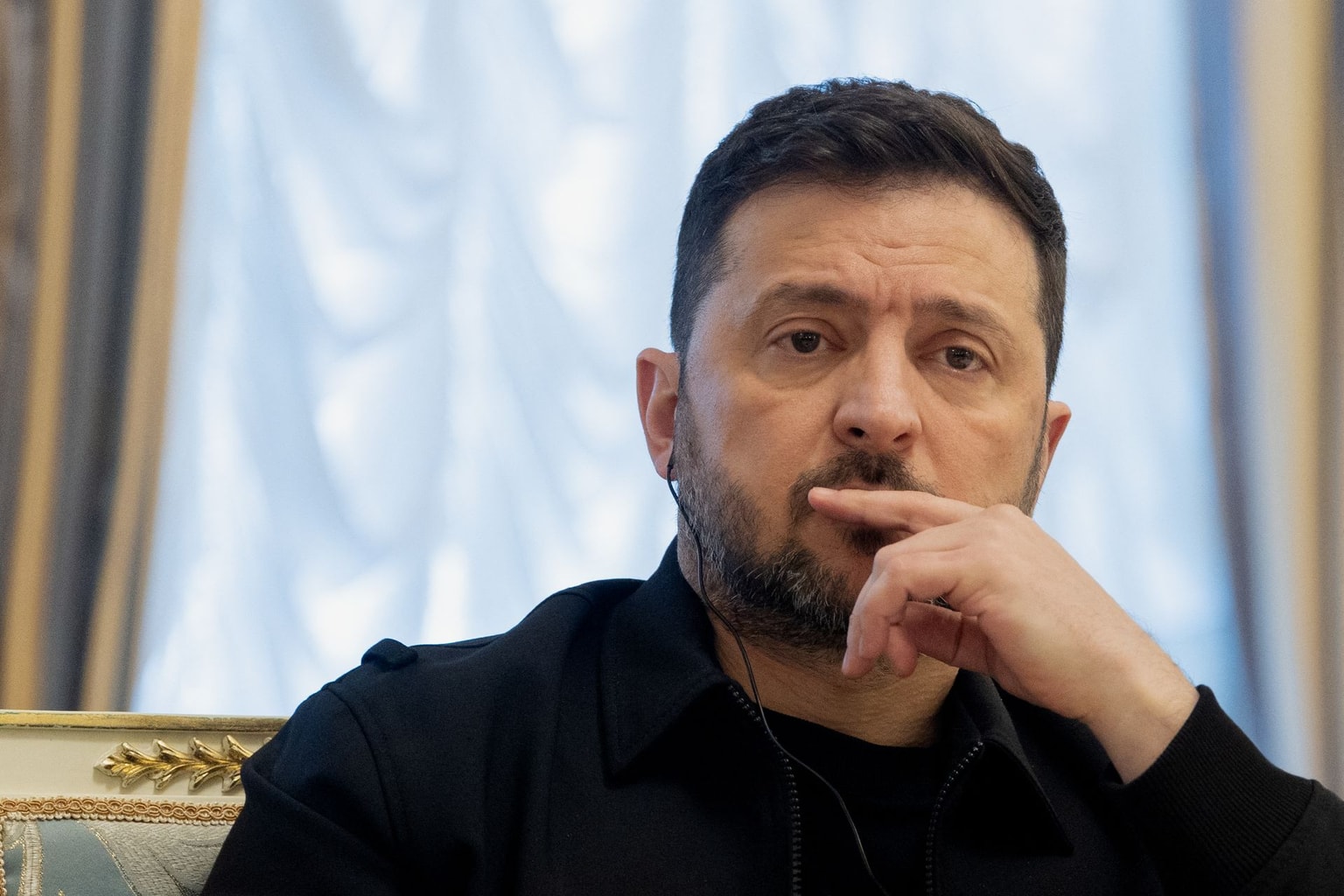
Ukraine has deployed interceptor drones and a team of specialists to help protect U.S. military bases in Jordan, President Volodymyr Zelensky told the New York Times in an interview published on March 9.
Zelensky said the U.S. requested assistance on March 5 as tensions in the Middle East escalated following strikes on Iran. Ukraine agreed immediately and dispatched the team the next day.
"We reacted immediately," the president said. "I said, yes, of course, we will send our experts."
The deployment comes as Iran retaliates against attacks by United States and Israel, launching drones and missiles against U.S. bases, diplomatic facilities, and civilian targets across the region.
Kyiv has developed extensive expertise in countering Iranian-made Shahed-type attack drones since Russia began using them widely in attacks on Ukrainian cities and infrastructure in 2022.
Ukraine has been developing interceptor drones and other technologies to defend its airspace.
Zelensky said Ukraine has received 11 requests from countries neighboring Iran, as well as from several European states and the United States, seeking cooperation related to Ukraine's interceptor technologies, electronic warfare systems, and training.
"Ukraine is ready to respond positively to requests from those who help us protect the lives of Ukrainians and Ukraine's independence," he said. "We have already responded to some of the requests."
The Ukrainian president also noted that Kyiv has discussed security cooperation with several Middle Eastern states. Some of these countries maintain close ties with Moscow, which Zelensky suggested could potentially help facilitate a ceasefire in Russia's war.
"That's why I said, Look, so maybe they can speak with Russians and Russians will make a pause," Zelensky said. "In this case, of course, we can help the Middle East to defend them."
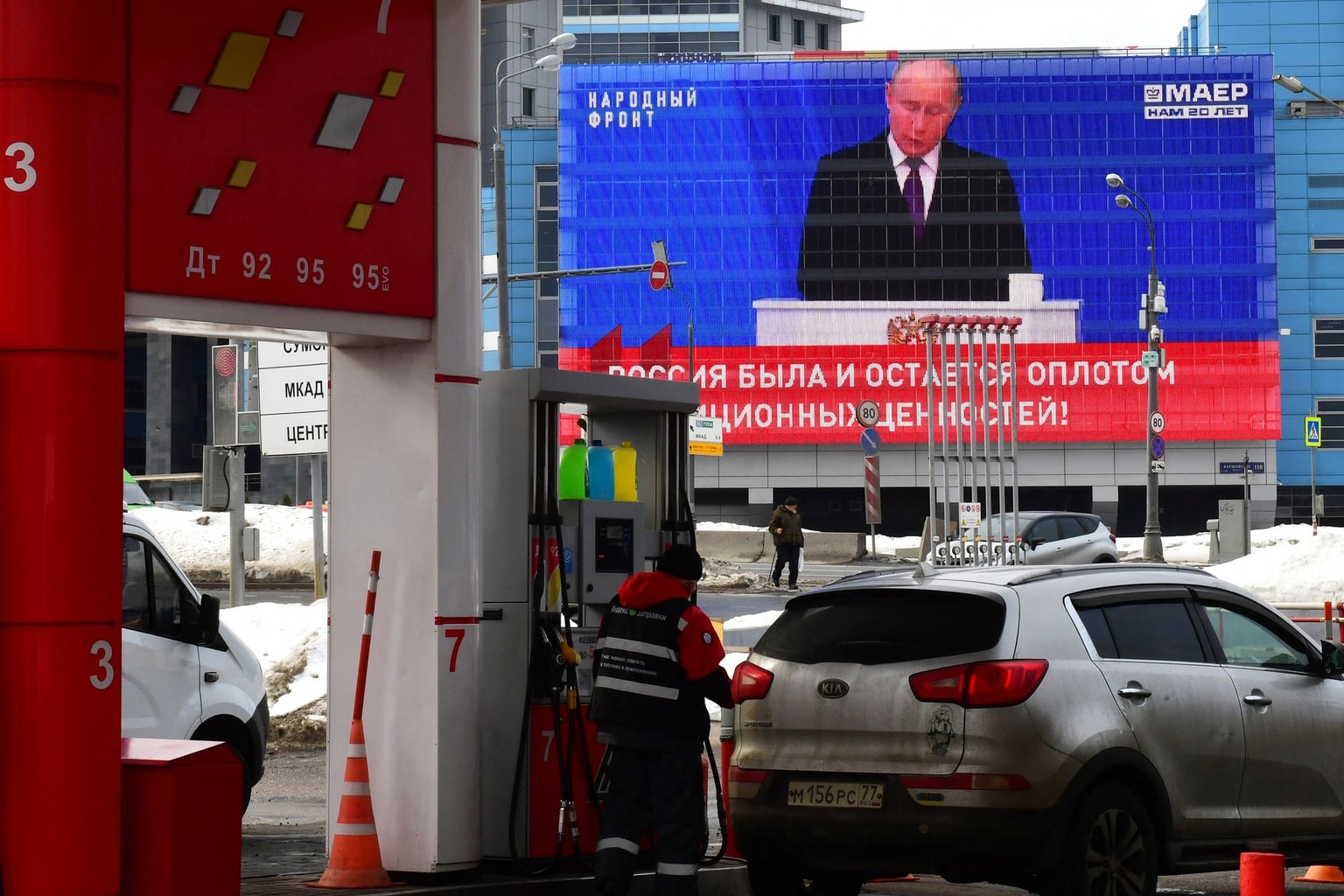
Tehran has been one of Russia's closest partners since the start of the full-scale war.
The escalation in the region began on Feb. 28, when the United States and Israel launched coordinated strikes against the country's military infrastructure and the regime's leadership.
Russia condemned the strikes, with its Foreign Ministry calling them "an unprovoked act of aggression against a sovereign and independent state," despite Moscow's own full-scale war in Ukraine.
The Washington Post reported on March 6 that Moscow had been providing Iran with intelligence about U.S. military positions in the region, including ships and aircraft.
A U.S. official told the outlet that Moscow may view the move as retaliation for Washington's military support for Ukraine since the start of Russia's full-scale invasion in 2022.
U.S. President Donald Trump downplayed the report on March 7.
"It's not doing much, if you take a look at what's happened to Iran over the past week," he said. "They'd say we do it against them, wouldn't they? Wouldn't they say that we do it against them?"